


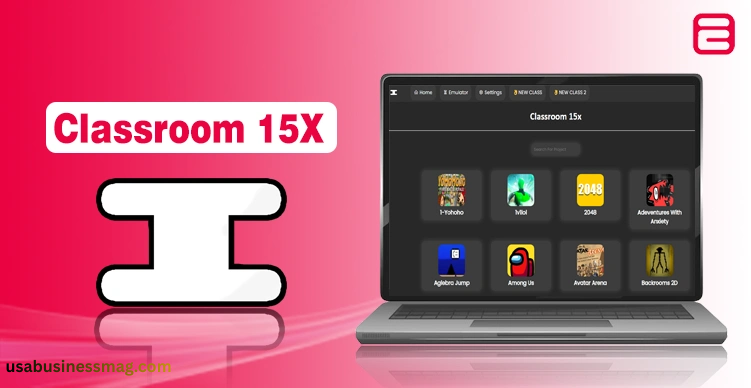
Education is undergoing a significant transformation as teaching methods, technologies, and learning environments evolve. Traditional classrooms are no longer the sole center of knowledge delivery. Instead, modern learning spaces are being redesigned to enhance engagement, collaboration, and efficiency. Within this context, classroom 15x represents a concept that reflects innovation, adaptability, and the future direction of education.
As students and educators face new challenges, from digital integration to personalized learning, the idea behind classroom 15x aligns with the growing need for smarter, more flexible educational environments. This article explores the broader meaning, applications, and impact of classroom 15x in contemporary learning systems.
Understanding the Concept of classroom 15x in Modern Education
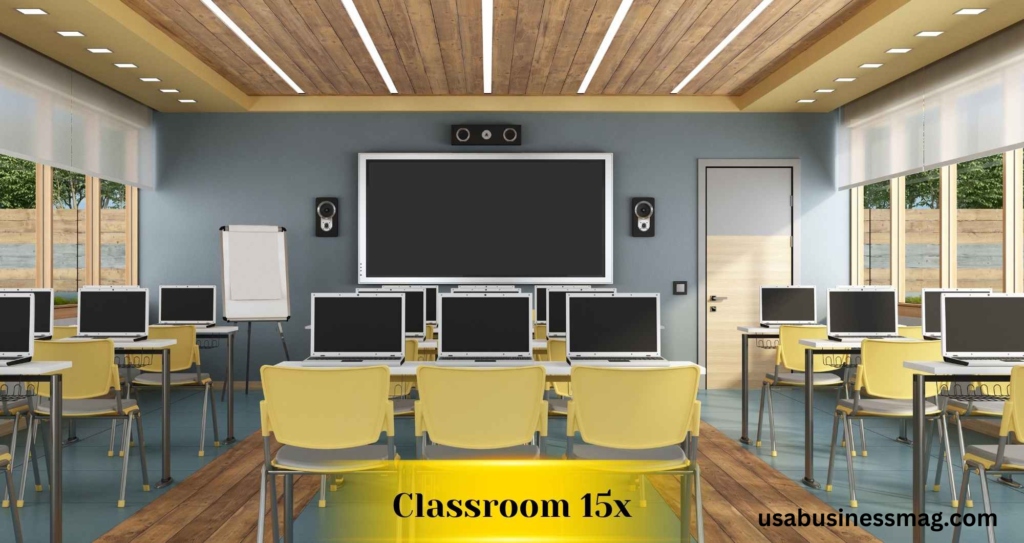
The concept of classroom 15x can be understood as an approach that emphasizes amplified learning outcomes through optimized environments and methodologies. Rather than focusing solely on physical space, it incorporates teaching strategies, technology, and student-centered design.
Modern education demands adaptability. Classroom 15x reflects a mindset where learning is dynamic, interactive, and scalable. This approach supports diverse learning styles and encourages critical thinking rather than passive information consumption.
By reimagining how classrooms function, classroom 15x aligns education with real-world demands and future-ready skills.
classroom 15x and the Shift Toward Student-Centered Learning
One of the defining aspects of class15x is its alignment with student-centered learning models. Traditional teacher-led instruction is gradually being replaced by approaches that empower learners to take an active role in their education.
In a classroom 15x environment, students engage in discussions, collaborative projects, and problem-solving activities. This model encourages autonomy, creativity, and deeper understanding. Teachers act as facilitators, guiding students rather than dictating every step.
This shift not only improves engagement but also prepares students for independent thinking beyond academic settings.
The Role of Technology in classroom 15x Environments
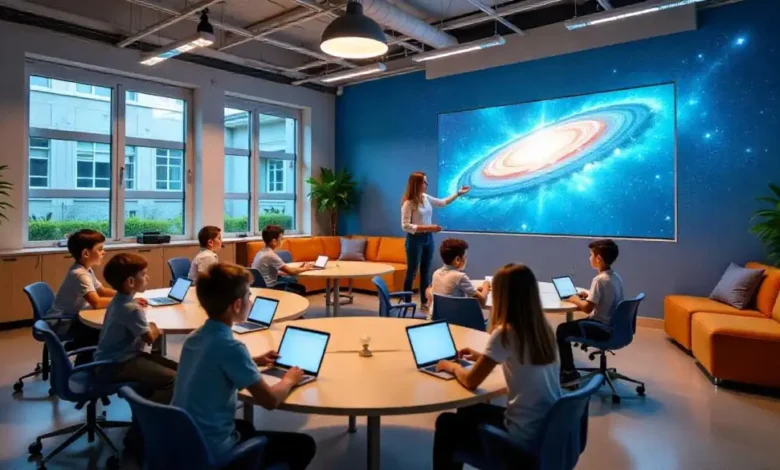
Technology plays a crucial role in shaping class15x environments. Digital tools enhance accessibility, personalization, and interaction within the learning process. From smart boards to learning management systems, technology supports diverse instructional methods.
In classroom 15x settings, technology is not used for its own sake. Instead, it is integrated strategically to support learning objectives. Online resources, multimedia content, and interactive platforms help students explore concepts more deeply.
This thoughtful integration ensures that technology enhances learning rather than becoming a distraction.
classroom 15x and Flexible Learning Spaces
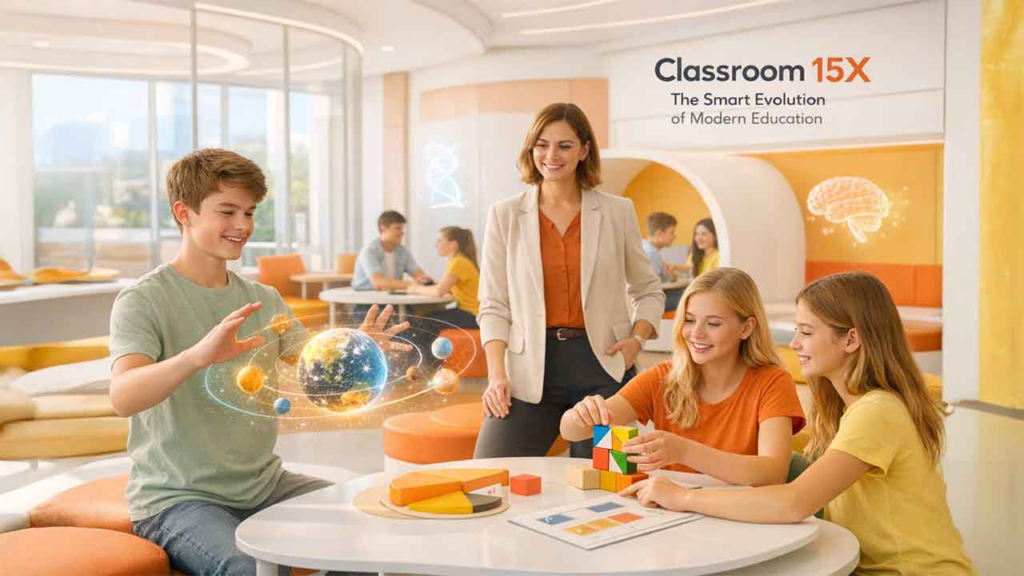
Physical layout significantly influences how learning takes place. Classroom emphasizes flexible learning spaces that can be adapted for various activities, including group work, presentations, and independent study.
Movable furniture, modular seating, and open layouts allow educators to redesign the space based on lesson goals. This flexibility supports collaboration and encourages active participation.
By moving away from rigid desk arrangements, classroom 15x environments foster creativity and communication among learners.
Enhancing Collaboration Through classroom 15x Design
Collaboration is a critical skill in both academic and professional settings. Classroom promotes collaborative learning by creating environments that support teamwork and shared problem-solving.
Group projects, peer discussions, and interactive activities are central to this approach. Students learn not only from instructors but also from one another, developing communication and interpersonal skills.
Collaborative learning within classroom 15x environments prepares students for real-world challenges where teamwork is essential.
classroom 15x and Personalized Learning Approaches
Personalization is increasingly important in education, and class room 15x reflects this trend. Students have different learning speeds, interests, and strengths. A one-size-fits-all approach often fails to address these differences.
Class environments support personalized learning through adaptive tools and flexible teaching methods. Educators can tailor instruction based on individual progress and feedback.
This approach enhances motivation and helps learners achieve better outcomes by addressing their unique needs.
The Impact of classroom 15x on Teacher Effectiveness
Teachers benefit significantly from class room 15 x models. By providing flexible tools and environments, educators can experiment with innovative teaching strategies and improve instructional delivery.
Classroom 15x allows teachers to move beyond lectures and engage students through interactive lessons. Data-driven insights from digital tools help educators assess progress and adjust instruction accordingly.
This empowerment enhances job satisfaction and contributes to more effective teaching practices.
classroom 15x and Engagement in Learning
Student engagement is a key factor in academic success. Class room 15x environments are designed to increase attention, participation, and motivation.
Interactive activities, multimedia content, and collaborative projects keep students actively involved. When learners feel connected to the material, retention and comprehension improve.
Engagement within classroom 15x settings transforms learning from a passive experience into an active journey.
Supporting Critical Thinking Through class room 15x Models
Critical thinking is essential in an increasingly complex world. Classr oom 15x encourages students to analyze, evaluate, and apply knowledge rather than memorize information.
Problem-based learning and inquiry-driven activities challenge students to think deeply. Classroom discussions promote diverse perspectives and analytical reasoning.
By fostering critical thinking, classroom 15x prepares learners for lifelong learning and informed decision-making.
classroom 15x and Digital Literacy Development
Digital literacy is a fundamental skill in modern society. Class room 15x supports the development of digital competencies by integrating technology into everyday learning.
Students learn how to navigate digital tools responsibly, evaluate online information, and communicate effectively in digital spaces. These skills are essential for academic and professional success.
Classroom 15x environments help bridge the gap between traditional education and digital realities.
Inclusivity and Accessibility in class room 15x Settings
Inclusivity is a core principle of classroom Learning environments must accommodate diverse abilities, backgrounds, and learning needs.
Accessible design, assistive technologies, and flexible instruction ensure that all students can participate fully. Classroom 15x promotes equity by reducing barriers to learning.
This inclusive approach fosters a supportive atmosphere where every learner feels valued.
classroom 15x and Assessment Innovation
Assessment methods are evolving alongside teaching strategies. Class room 15 x supports innovative assessment practices that go beyond standardized testing.
Formative assessments, project-based evaluations, and peer feedback provide a more comprehensive view of student progress. These methods emphasize learning growth rather than just final outcomes.
Assessment within classroom 15x environments becomes a tool for improvement rather than pressure.
Preparing Future Skills Through classroom 15x Frameworks
Education must prepare students for future careers and challenges. Class room 15 x focuses on developing skills such as collaboration, adaptability, and problem-solving.
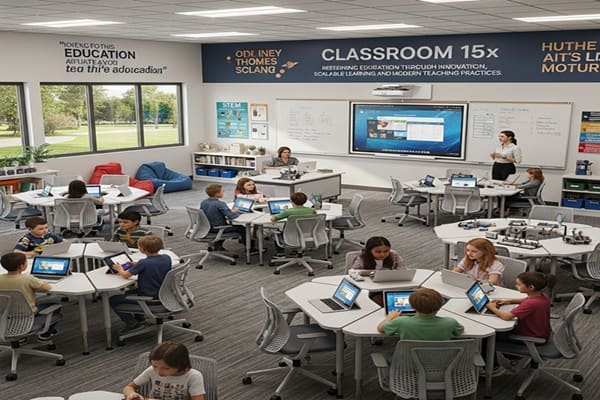
By simulating real-world scenarios, classroom environments help students apply knowledge practically. This preparation enhances confidence and readiness for post-education pathways.
Future-focused learning ensures relevance in a rapidly changing world.
classroom 15x and Emotional Well-Being in Education
Emotional well-being plays a vital role in learning. 15x environments consider mental health by promoting supportive interactions and reducing stress.
Flexible learning, positive reinforcement, and collaborative activities contribute to a healthier learning atmosphere. Students feel more comfortable expressing ideas and asking questions.
A balanced focus on well-being enhances overall educational outcomes.
Implementation Challenges of class room 15 x Models
While the benefits are significant, implementing class room models comes with challenges. Budget constraints, training needs, and infrastructure limitations can hinder adoption.
Successful implementation requires planning, professional development, and institutional support. Gradual integration helps manage change effectively.
Understanding these challenges ensures realistic expectations and sustainable progress.
classroom 15x and the Role of Educational Leadership
Leadership plays a critical role in adopting class room 15x approaches. Administrators must support innovation through policies, resources, and vision.
Strong leadership encourages collaboration among educators and fosters a culture of continuous improvement. Class room 15 thrives in environments where experimentation and learning are encouraged.
Leadership commitment is essential for long-term success.
The Future Outlook of class room 15x in Education
The future of education is closely tied to innovation, and classroom 15x represents a forward-looking approach. As technology advances and learning needs evolve, such models will continue to adapt.
Hybrid learning, data-driven instruction, and global collaboration are likely to become more prominent. Classroom 15x provides a foundation for these developments.
Its flexibility ensures relevance in an unpredictable educational landscape.
Conclusion: Why class room 15x Matters in Today’s Learning World
The concept of classroom 15x reflects a shift toward smarter, more inclusive, and more effective learning environments. By combining flexible spaces, technology, and student-centered approaches, it addresses the demands of modern education.
Classroom 15x is not just about physical redesign or digital tools; it represents a mindset focused on growth, engagement, and adaptability. As education continues to evolve, such frameworks will play a crucial role in shaping future learning experiences.
By embracing classroom 15x principles, educators and institutions can create meaningful, future-ready learning environments that benefit students and society as a whole.
