


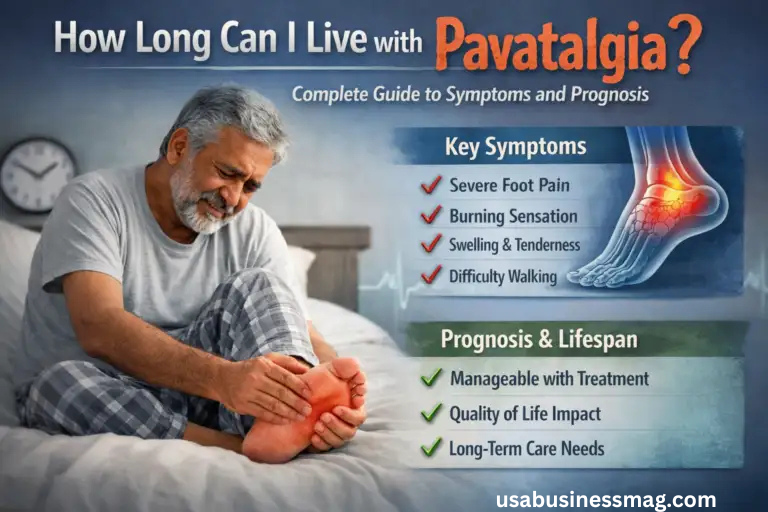
When people encounter persistent or unfamiliar pain, one of the first questions that often arises is about longevity. The phrase how long can i live with pavatalgia reflects a concern that goes beyond discomfort and reaches into fears about survival, long-term health, and future stability. Although pavatalgia is not widely discussed in mainstream health literature, the emotional weight behind the question is clear. People want reassurance that pain does not automatically mean a shortened life.
This article approaches the topic from an educational and quality-of-life perspective. Rather than offering diagnoses or treatment advice, it explores how chronic or recurring pain conditions are typically understood, how they relate to life expectancy, and why the question itself is often rooted in uncertainty rather than medical prognosis.
how long can i live with pavatalgia and Why the Question Often Arises
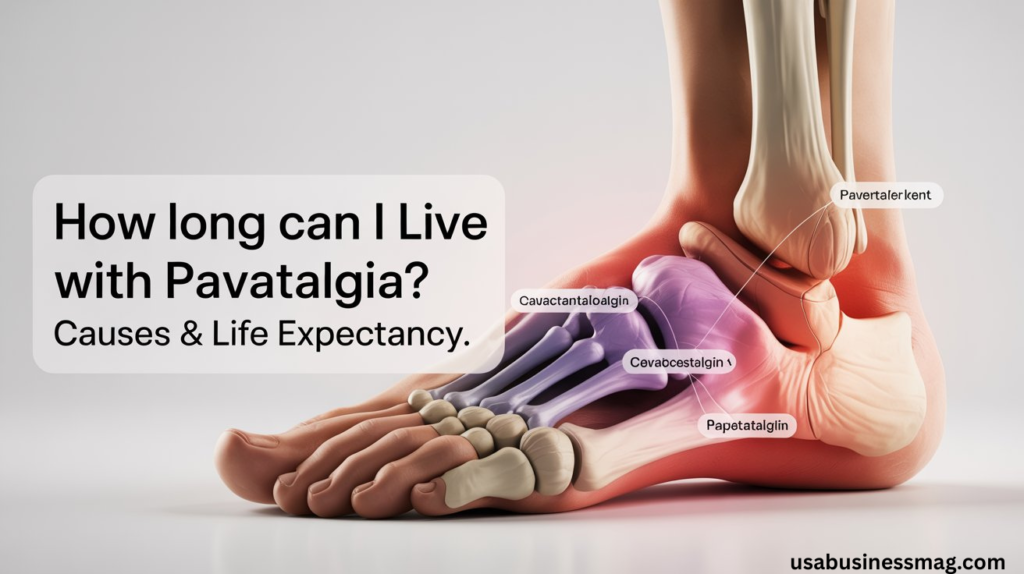
Questions about lifespan commonly surface when symptoms persist without clear answers. In many cases, pain conditions prompt anxiety because they interfere with normal routines and create a sense of unpredictability. Asking how long can i live with pavatalgia is often less about a literal countdown and more about seeking clarity and reassurance.
Historically, many pain-related conditions have been misunderstood or poorly defined, leading people to fear the worst. Over time, medical understanding has shown that pain alone is rarely a direct indicator of reduced lifespan. However, without context, it can feel overwhelming, especially when symptoms linger.
how long can i live with pavatalgia Compared to Other Pain-Related Conditions
To better understand the concern, it helps to compare pavatalgia conceptually with other chronic pain experiences. Across many pain syndromes, individuals live full life spans while managing symptoms over time. The presence of pain does not automatically equate to life-threatening disease.
When people ask how long can i live with pavatalgia, they may be assuming that pain implies damage or progression. In reality, many pain conditions are stable, episodic, or manageable in ways that do not affect overall longevity. This distinction is essential for separating fear from factual risk.
how long can i live with pavatalgia and the Difference Between Pain and Prognosis
Pain is a signal, not a verdict. One of the most important concepts to understand when thinking about how long can i live with pavatalgia is the difference between symptoms and prognosis. Prognosis refers to the expected course of a condition, including its impact on health and lifespan.
In many cases, pain affects comfort, mobility, or emotional well-being rather than survival itself. Confusing discomfort with danger is common, especially when symptoms are persistent. Education plays a key role in easing these concerns and helping individuals focus on realistic expectations.
how long can i live with pavatalgia From a Quality-of-Life Perspective
Rather than focusing only on lifespan, many healthcare discussions emphasize quality of life. When people ask how long can i live with pavatalgia, they may also be asking how well they can live. This includes the ability to work, socialize, rest, and maintain independence.
Quality of life is influenced by many factors beyond pain itself. Emotional resilience, social support, access to information, and adaptive strategies all shape how a person experiences long-term symptoms. Many individuals live long, meaningful lives while managing ongoing physical challenges.
how long can i live with pavatalgia and Mental Well-Being Considerations
Chronic uncertainty can take a toll on mental well-being. The repeated question of how long can i live with pavatalgia may reflect underlying anxiety rather than physical decline. Worrying about lifespan can amplify stress, which in turn can intensify the perception of pain.
Understanding this connection is important. Addressing emotional responses to symptoms often helps individuals regain a sense of control. When fear decreases, people are better able to assess their situation realistically and focus on day-to-day functioning.

how long can i live with pavatalgia in the Context of Medical Monitoring
Another reason the question arises is concern about whether a condition is being adequately monitored. Asking how long can i live with pavatalgia may signal uncertainty about whether enough information is available. In general, ongoing symptoms are evaluated over time to rule out serious causes.
Medical monitoring exists precisely to ensure that conditions affecting comfort
do not mask more serious issues. When no life-limiting factors are identified, lifespan is typically not affected, even if symptoms persist.
how long can i live with pavatalgia and the Role of Individual Differences
Every individual experiences health conditions differently. When thinking about how long can i live with pavatalgia, it is important to recognize that outcomes vary based on overall health, lifestyle, and personal circumstances. No single experience defines everyone.
Some people adapt quickly to persistent symptoms, while others need more time and support. Adaptation does not mean ignoring pain; it means learning how to live fully despite it. This adaptability is a key reason why many people with chronic conditions maintain normal life expectancy.
how long can i live with pavatalgia Versus Living in Fear of Symptoms
Living with ongoing symptoms can create a cycle of fear and hyper-focus. Repeatedly asking how long can i live with pavatalgia can reinforce that cycle. Shifting attention from fear to understanding often changes how symptoms are perceived.
Education, reassurance, and perspective help people move away from catastrophic thinking. When symptoms are no longer viewed as a countdown, they become one part of a broader life experience rather than its defining feature
how long can i live with pavatalgia and the Importance of Language
Language shapes perception. The way the question how long can i live with pavatalgia is phrased implies a limit, even when none may exist. This wording can unintentionally increase distress.
Reframing the question toward “how can I live well” often leads to more constructive conversations. While lifespan is a natural concern, focusing on daily well-being aligns more closely with how health is actually how long can i live with pavatalgia experienced.
how long can i live with pavatalgia in Long-Term Health Outlooks
Long-term health outlooks typically consider factors such as organ function, systemic disease, and overall resilience. Pain alone rarely determines lifespan. When people ask how long can i live with pavatalgia, the answer is often tied more to general health than to the symptom itself.
This broader outlook helps place symptoms in context. It how long can i live with pavatalgia reinforces the idea that many conditions coexist with long, productive lives rather than limiting them.
how long can i live with pavatalgia and Social Support Systems
Social support plays a powerful role in how individuals cope with health concerns. Asking how long can i live with pavatalgia may feel less frightening when people have trusted sources of information and emotional backing.
Connection reduces isolation, which is often a bigger burden than how long can i live with pavatalgia symptoms themselves. Shared understanding helps normalize experiences and reduces the sense that pain defines the future.
how long can i live with pavatalgia and Common Misconceptions
One common misconception is that persistent pain always worsens over time. This belief often fuels questions like how long can i live with pavatalgia. In reality, many conditions remain stable or fluctuate without progressive decline.
Another misconception is that pain automatically indicates severe underlying disease. While evaluation is important, absence of serious findings often means life expectancy remains unchanged.
how long can i live with pavatalgia and Information Gaps
Information gaps contribute significantly to fear. When reliable explanations are hard to find, people may imagine worst-case scenarios. The question how long can i live with pavatalgia often emerges in these gaps.
Clear, balanced information helps reduce unnecessary alarm. Understanding what is known, what is monitored, and what is uncertain allows people to replace fear with informed patience.
how long can i live with pavatalgia in Relation to Daily Functioning
Daily functioning is often a better indicator of overall well-being than symptom presence alone. When asking how long can i live with pavatalgia, many people are really asking how long they can maintain independence and normal activity.
Function can often be preserved even when discomfort exists. Many individuals continue working, traveling, and participating in meaningful activities despite ongoing symptoms.
how long can i live with pavatalgia and Long-Term Adaptation
Human adaptability is frequently underestimated. Over time, people develop strategies that allow them to coexist with symptoms. The fear behind how long can i live with pavatalgia often fades as adaptation grows.
This does not mean symptoms disappear, but they become less central to identity. Life expands again to include goals, relationships, and experiences beyond health concerns.
how long can i live with pavatalgia and Reassurance Through Perspective
Perspective changes outcomes. When symptoms are viewed as one part of a larger life, the question how long can i live with pavatalgia transforms into reassurance rather than fear.
History shows that countless individuals live long lives with conditions that once seemed overwhelming. Knowledge, context, and support make that longevity possible.
Final Thoughts on how long can i live with pavatalgia
The question how long can i live with pavatalgia is ultimately a human question about safety, future, and meaning. In most contexts, pain alone does not define lifespan. What it often defines is a period of adjustment, learning, and resilience.
Understanding the difference between discomfort and danger helps shift focus away from fear and toward living fully. With perspective, information, and support, people can move forward with confidence rather than uncertainty.
