


In the global world of manga and comics, fans often encounter content long before official translations reach their region. This gap between original publication and localized release has led to the rise of scanlation communities. Among the many names discussed in fan circles, olympus scanlation frequently appears as a point of curiosity. Whether readers are new to manga culture or longtime followers of fan translation groups, understanding how scanlation groups operate helps contextualize their influence and relevance.
This article explores the idea, practices, and broader cultural implications associated with olympus scanlation, focusing on how such groups function, why they exist, and what they represent within digital fan communities.
olympus scanlation and the Origins of Scanlation Culture

To understand olympus scanlation, it is important to first understand scanlation culture as a whole. Scanlation is a fan-driven process that involves scanning, translating, editing, and distributing comics—most commonly manga—from one language into another. This practice emerged in the early days of the internet when access to foreign media was limited.
Groups like olympus scanlation arose from a desire to share stories across language barriers. Fans who loved specific series wanted others to experience them as well, even when official publishers had no plans for international release.
olympus scanlation as a Fan-Led Initiative
At its core, olympus scanlation represents a fan-led initiative rather than a commercial enterprise. These groups are typically composed of volunteers who contribute time and skills without financial compensation. Translators, editors, typesetters, and proofreaders collaborate to produce readable versions of comics for fellow fans.
This collaborative model highlights the passion that drives scanlation communities. Olympus scanlation, like similar groups, exists because fans are willing to invest effort purely out of interest and appreciation for the source material.
olympus scanlation and the Translation Process
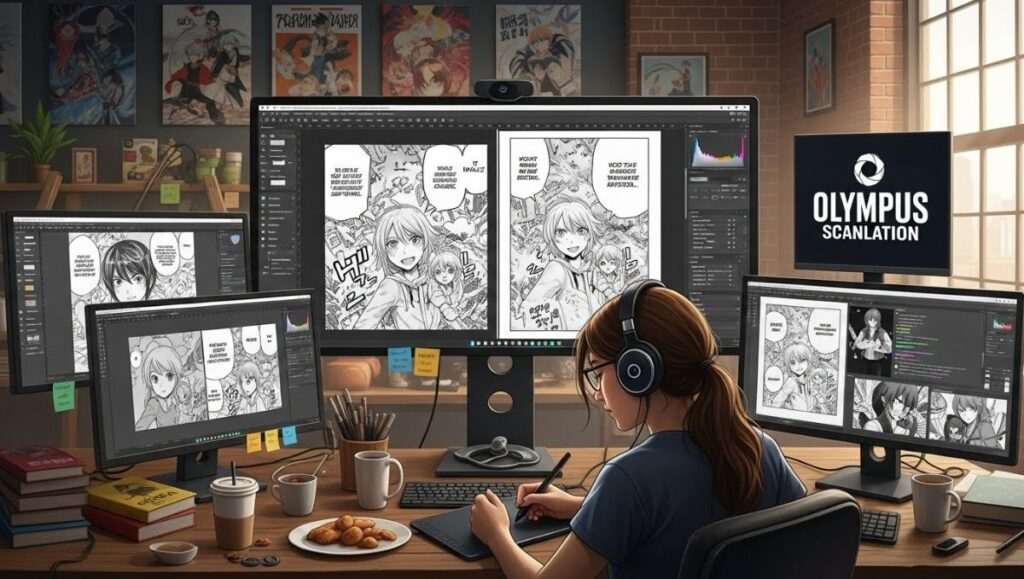
The translation process within olympus scanlation involves more than simply converting words from one language to another. Translators must consider tone, cultural context, idioms, and character voice. Accuracy and readability must be balanced carefully.
After translation, editors refine the text, while typesetters integrate it into the original artwork. This layered process demonstrates that scanlation is a complex creative effort, not a quick or casual task.
olympus scanlation and Cultural Interpretation
Cultural interpretation plays a significant role in scanlation work. Olympus scanlation contributors often face decisions about how much cultural context to preserve or explain. Certain expressions or references may not have direct equivalents in other languages.
By navigating these challenges, scanlation groups act as informal cultural mediators. They introduce readers to foreign storytelling traditions while making the content accessible to a broader audience.
olympus scanlation and Community Engagement
Community interaction is a defining feature of olympus scanlation. Readers often engage with scanlation groups through comments, forums, or social platforms. Feedback may include corrections, encouragement, or requests for specific titles.
This interaction creates a sense of shared ownership and participation. Rather than passive consumption, readers become part of an ongoing conversation around the content and the group’s work.
olympus scanlation and the Motivation Behind Fan Translations
The motivation behind olympus scanlation is rarely financial. Most scanlation groups emphasize that their work is driven by passion for storytelling. They often focus on niche or overlooked series that lack official translations.
This motivation fills gaps left by the publishing industry. While not intended to replace official releases, scanlations often introduce series that later gain broader recognition.
olympus scanlation and Accessibility for Global Readers
Accessibility is one of the most discussed benefits of scanlation. Olympus scanlation enables readers from different regions to access content they might otherwise never encounter. Language barriers and regional restrictions are reduced through fan translation efforts.
For readers without access to physical copies or official digital platforms, scanlation becomes a gateway into global comic culture.
olympus scanlation and Skill Development
Participation in scanlation groups often leads to skill development. Members of olympus scanlation may improve language proficiency, editing abilities, graphic design skills, and teamwork experience.
These practical skills can translate into professional opportunities outside fan communities. In this sense, scanlation work becomes both a hobby and a learning platform.
olympus scanlation and Ethical Considerations
Ethical discussions frequently surround scanlation activities. Olympus scan, like other groups, operates in a gray area between fan enthusiasm and intellectual property rights. Some argue that scanlations harm creators, while others believe they promote awareness.
Many scanlation groups adopt self-imposed guidelines, such as discontinuing work once an official translation becomes available. These practices reflect an awareness of ethical complexity.
olympus scanlation and the Relationship With Official Publishers
The relationship between scanla groups and publishers is complex. Olympus scan exists independently of official publishers, yet their work sometimes indirectly benefits the industry by generating interest.
In some cases, publishers observe which fan-translated series gain popularity before licensing them. While not formally acknowledged, this dynamic shows how fan activity can influence market decisions.
olympus scanlation and Digital Preservation
Another aspect of olympus scan is digital preservation. Some series become difficult to find due to limited print runs or discontinued publications. Scanlations may preserve content that would otherwise fade into obscurity.
This preservation aspect appeals to readers who value media history and cultural continuity, especially in rapidly changing digital environments.
olympus scanlation and Quality Standards
Quality varies across scanlation groups, but many strive for high standards. Olympus scan is often discussed in terms of consistency, readability, and respect for original artwork.
Groups that prioritize quality tend to gain loyal followings. Readers appreciate careful editing and clear translations that enhance rather than distract from the story.
olympus scanlation and Time Commitment
Producing scanlated content requires significant time investment. Olympus scan contributors often balance this work with personal responsibilities. Delays are common, reflecting the volunteer nature of the effort.
Understanding this time commitment helps readers appreciate the labor involved. Each release represents hours of unpaid collaboration.
olympus scanlation and Online Visibility
Visibility is essential for scanlation groups to reach readers. Olympus scanmay use websites, forums, or social media to share updates and releases. Online presence allows groups to connect with global audiences instantly.
However, visibility also brings challenges, including scrutiny and legal concerns. Managing this balance is part of operating within fan translation spaces.
olympus scanlation and Reader Expectations
Reader expectations influence scanlation practices. Olympus scan faces pressure to maintain accuracy, speed, and consistency. Different readers prioritize different aspects, such as literal translation or localized readability.
Balancing these expectations requires clear communication and shared values within the group. Transparency helps manage community relationships.
olympus scanlation and the Evolution of Fan Culture
Fan culture has evolved alongside technology. Olympus scanl represents a phase in this evolution where fans become creators and distributors. The line between audience and contributor becomes blurred.
This participatory culture reshapes how media is consumed and discussed, emphasizing collaboration over passive engagement.
olympus scanlation and Legal Awareness
Most scanlation groups are aware of legal risks. Olympus scanl operates with an understanding that their work exists in an unofficial space. This awareness often leads to cautious behavior, such as avoiding monetization.
Legal awareness influences how groups structure their activities and interact with readers.
olympus scanlation and Changing Reader Habits
Reader habits have shifted with the availability of digital content. Olympus adapts to these changes by offering formats compatible with various devices. Convenience plays a key role in modern readership.
As official platforms expand, scanlation groups continue to evolve in response to audience needs.
olympus scanlation as a Reflection of Passion-Driven Media
Ultimately, olympus scanlation reflects the power of passion-driven media creation. It exists because fans care deeply about stories and want to share them beyond borders.
While debates around legality and ethics continue, the cultural significance of scanlation groups lies in their dedication, creativity, and community spirit.
Final Thoughts
The phenomenon of olympus scanlation illustrates how fan communities shape the global flow of media. Through collaboration, cultural interpretation, and shared enthusiasm, scanlation groups create spaces where stories travel freely across languages. Understanding this context allows readers to appreciate both the effort involved and the broader conversations surrounding fan translation in the digital age.
