


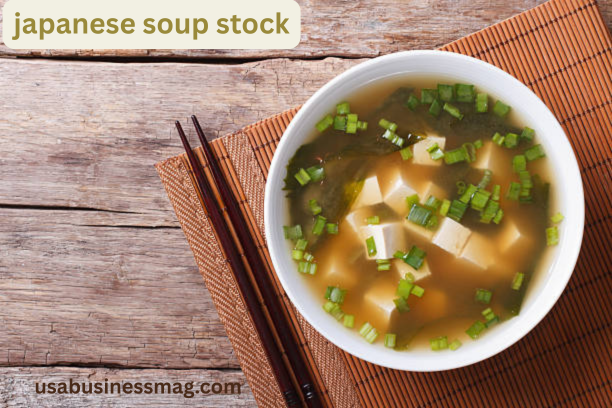
Japanese cuisine is admired worldwide for its balance, simplicity, and depth of flavor. At the heart of this culinary tradition lies japanese soup stock, a foundational element that quietly shapes countless dishes. Rather than overpowering ingredients, this stock enhances natural flavors, allowing each component to shine. Its subtle presence reflects a philosophy of restraint and harmony that defines Japanese cooking.
Unlike many Western broths that rely on long simmering times and heavy seasoning, Japanese stock is designed to be clean and light. The goal is not richness alone but clarity. This approach ensures that meals feel nourishing without being overwhelming. From soups to sauces, the stock forms an invisible backbone that supports the entire culinary structure.
Japanese Soup Stock and the Concept of Umami
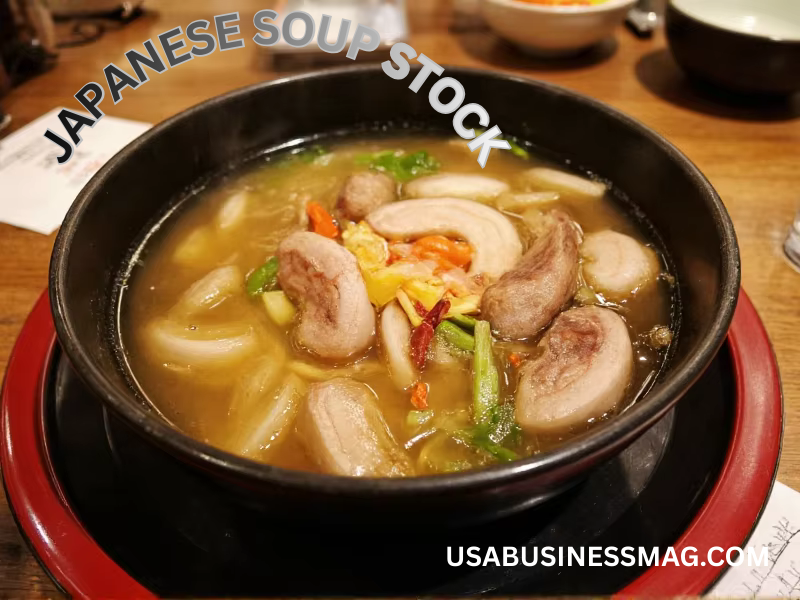
The defining characteristic of japanese soup stock is its ability to deliver umami, the savory taste often described as the fifth flavor. Umami creates depth and satisfaction without heaviness. It lingers gently on the palate, making dishes feel complete even with minimal ingredients.
This savory quality comes from natural compounds released during preparation. The careful extraction of flavor ensures balance rather than intensity. Japanese cooking values subtlety, and the stock exemplifies this by enriching food without drawing attention to itself. Umami is not meant to dominate but to harmonize.
Japanese Soup Stock and Traditional Culinary Philosophy
Japanese food culture emphasizes respect for ingredients and seasonal awareness. Japanese soup stock aligns with this philosophy by using simple components prepared with intention. The process is often quick, reflecting efficiency and mindfulness rather than complexity.
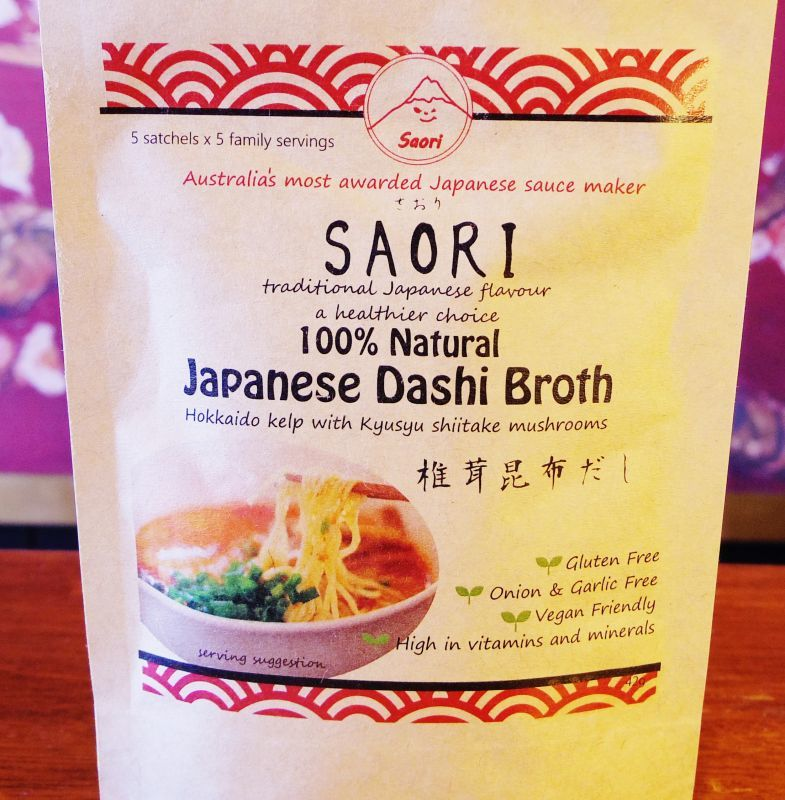
This simplicity allows cooks to focus on technique and freshness. The stock serves as a canvas, supporting vegetables, seafood, and proteins without masking their character. In this way, it represents a broader cultural value of letting nature speak through food.
Japanese Soup Stock and Its Role in Everyday Meals
In daily Japanese households, japanese soup stock appears in more meals than most people realize. It forms the base of soups served with breakfast, lunch, and dinner. It is also used in simmered dishes, sauces, and even egg-based recipes.
Because it is light, it can be consumed regularly without fatigue. Families rely on it to create nourishing meals quickly, especially during busy schedules. The stock’s versatility makes it an essential part of home cooking, not reserved solely for special occasions.
Japanese Soup Stock and Simplicity in Preparation
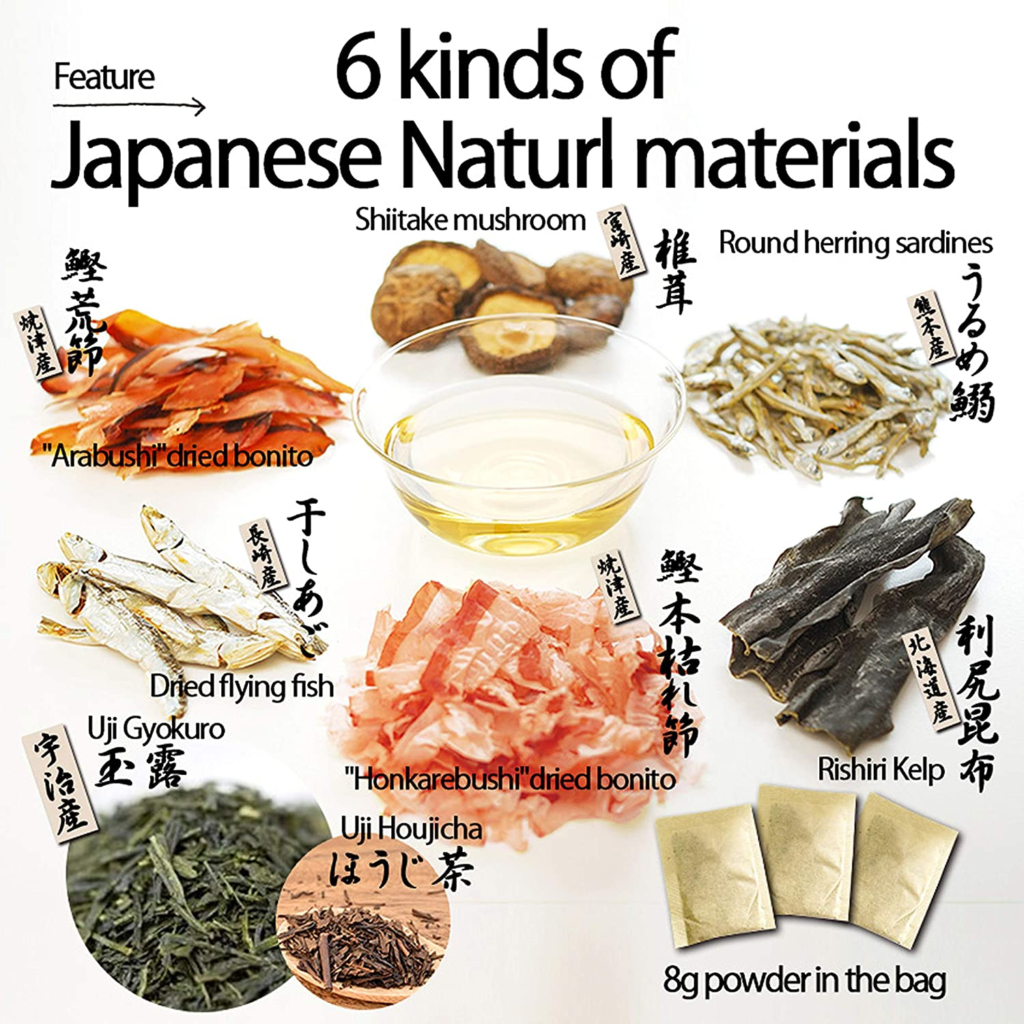
One of the reasons japanese soup stock remains popular is its straightforward preparation. It does not require hours of boiling or constant monitoring. Instead, careful timing and temperature control ensure optimal flavor extraction.
This ease of preparation reflects the Japanese preference for efficiency without compromise. By avoiding unnecessary steps, cooks preserve the purity of ingredients. The result is a stock that feels intentional and refined, even when prepared quickly.
Japanese Soup Stock and Ingredient Quality
The quality of japanese soup stock depends heavily on the ingredients used. Since the recipe is minimal, there is little room to hide imperfections. Freshness and proper handling are essential to achieve clarity and balance.
This reliance on quality encourages mindful sourcing. Cooks become more aware of where ingredients come from and how they are stored. The stock thus promotes a deeper connection between the cook and the food, reinforcing respect for natural resources.
Japanese Soup Stock and Seasonal Cooking
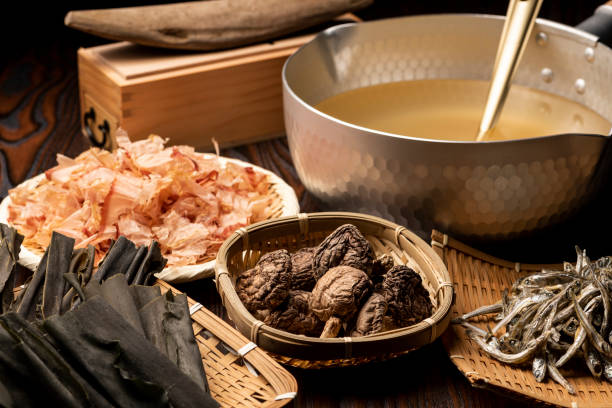
Seasonality plays an important role in Japanese cuisine, and japanese soup stock adapts easily to changing seasons. In colder months, it supports warming soups and hearty simmered dishes. In warmer months, it forms the base of light broths served chilled or at room temperature.
Because the stock is neutral yet flavorful, it pairs well with seasonal vegetables and proteins. This flexibility allows cooks to adjust dishes without altering the fundamental flavor profile. The stock becomes a constant companion throughout the year.
Japanese Soup Stock and Visual Clarity
Visual presentation matters greatly in Japanese food culture. Japanese soup stock is prized for its clear appearance, which reflects cleanliness and precision. A cloudy broth is often seen as a flaw, indicating improper technique or ingredient imbalance.
Clear stock allows the colors and shapes of ingredients to stand out. This visual harmony enhances the dining experience, reinforcing the idea that food should please both the eyes and the palate. The transparency of the stock mirrors the transparency of its flavors.
Japanese Soup Stock and Balance of Flavors
Balance is central to Japanese cooking, and japanese soup stock exemplifies this principle. It does not rely on saltiness alone but achieves complexity through natural savory elements. This balance allows dishes to feel complete without excessive seasoning.
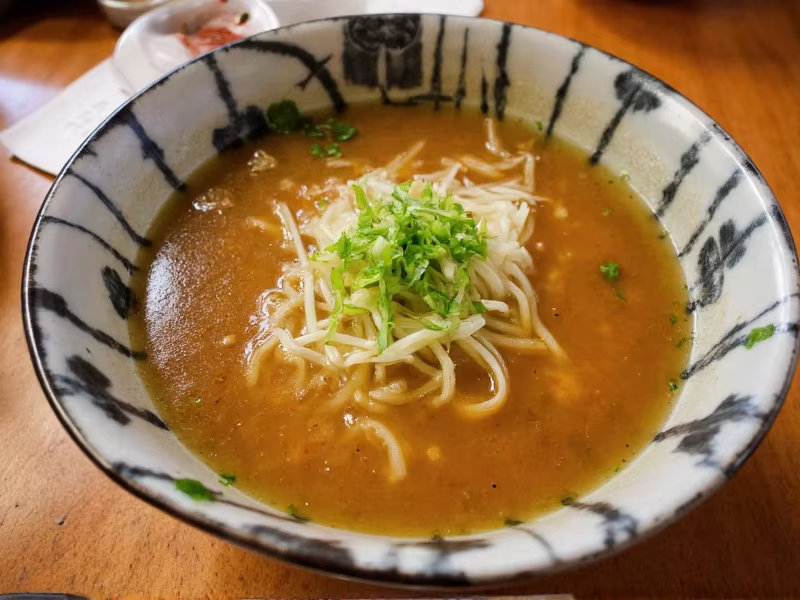
By providing a stable flavor base, the stock supports other seasonings rather than competing with them. This harmony encourages thoughtful seasoning and careful tasting, fostering a more intuitive approach to cooking.
Japanese Soup Stock and Modern Culinary Adaptations
As Japanese cuisine spreads globally, japanese soup stock has found its way into modern and fusion cooking. Chefs experiment by incorporating it into nontraditional dishes, appreciating its ability to enhance flavor without overpowering.
Despite innovation, the essence of the stock remains unchanged. Its adaptability proves its strength, allowing it to fit into diverse culinary contexts while maintaining its identity. This balance between tradition and evolution keeps it relevant in contemporary kitchens.
Japanese Soup Stock and Health Conscious Eating
Light, nutrient-conscious meals are increasingly valued, and japanese soup stock aligns naturally with this trend. Its low fat content and clean flavor make it suitable for those seeking balanced diets.
Because it enhances taste without requiring heavy oils or additives, the stock supports mindful eating habits. Meals feel satisfying without excess, encouraging moderation and appreciation rather than overindulgence.
Japanese Soup Stock and Cultural Identity
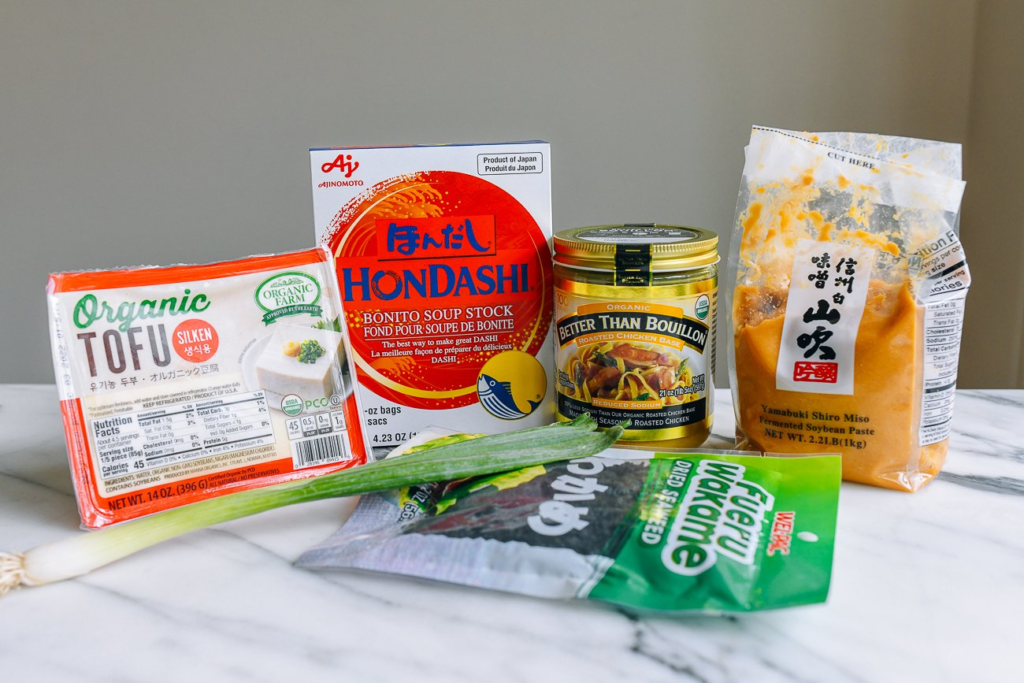
Food is deeply tied to cultural identity, and japanese soup stock represents a shared culinary language. Its flavor profile is instantly recognizable to those familiar with Japanese cuisine. It evokes comfort, tradition, and familiarity.
This emotional connection reinforces its importance beyond nutrition. The stock carries memories of home-cooked meals, family gatherings, and seasonal celebrations. Its presence in daily cooking strengthens cultural continuity across generations.
Japanese Soup Stock and Culinary Education
Learning to prepare japanese soup stock is often an early lesson in Japanese culinary education. It teaches fundamental skills such as temperature control, timing, and ingredient respect. These skills form the foundation for more advanced techniques.
By mastering the stock, cooks develop an understanding of balance and restraint. This knowledge transfers to other areas of cooking, making it a cornerstone of culinary training and personal growth.
Japanese Soup Stock and Professional Kitchens
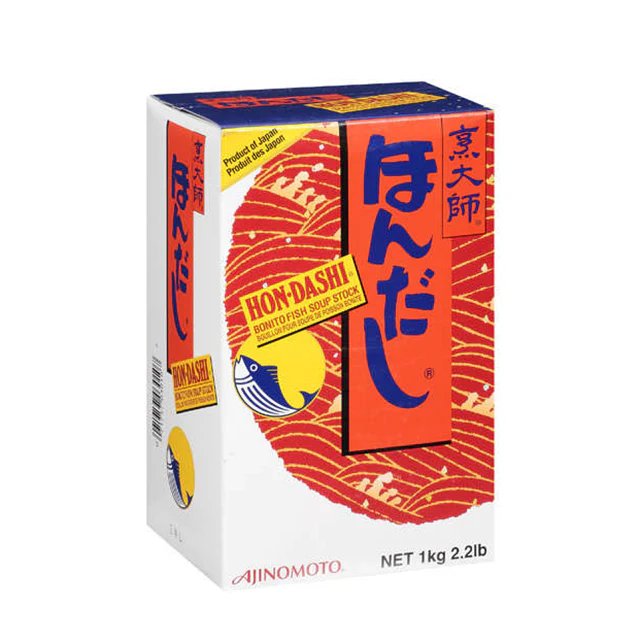
In professional kitchens, japanese soup stock is prepared with precision and consistency. Chefs rely on it to maintain flavor standards across dishes. Even small variations can affect the final result, making attention to detail essential.
The stock’s importance in professional settings highlights its role as a benchmark of skill. A well-made stock reflects discipline and understanding, signaling a chef’s commitment to quality and tradition.
Japanese Soup Stock and Home Cooking Confidence
For home cooks, mastering japanese soup stock builds confidence. Once prepared, it opens the door to countless recipes and techniques. The stock becomes a reliable base, reducing uncertainty in the kitchen.
This confidence encourages experimentation within a structured framework. Cooks feel empowered to adjust ingredients and explore new dishes while relying on the stock’s stability to maintain flavor balance.
Japanese Soup Stock and Global Appreciation
As global interest in Japanese cuisine grows, japanese soup stock continues to gain recognition. Food enthusiasts appreciate its elegance and versatility, often describing it as subtle yet transformative.
This appreciation extends beyond restaurants into home kitchens worldwide. The stock serves as an entry point into Japanese cooking, offering a manageable way to experience its philosophy and techniques.
Japanese Soup Stock and the Essence of Restraint
Restraint is a defining feature of Japanese aesthetics, and japanese soup stock embodies this idea. It demonstrates that powerful flavor does not require excess. Instead, careful preparation and quality ingredients achieve depth.
This lesson extends beyond cooking, reflecting a broader cultural mindset. The stock reminds us that simplicity, when executed thoughtfully, can be more impactful than complexity.
Japanese Soup Stock and Lasting Culinary Influence
Japanese soup stock continues to influence how people think about flavor and balance. Its quiet strength lies in its ability to support rather than dominate. This approach has inspired chefs and home cooks alike to reconsider how they build flavor.
As culinary trends evolve, the stock remains timeless. Its principles of clarity, respect, and harmony ensure its place in kitchens for generations to come.
