


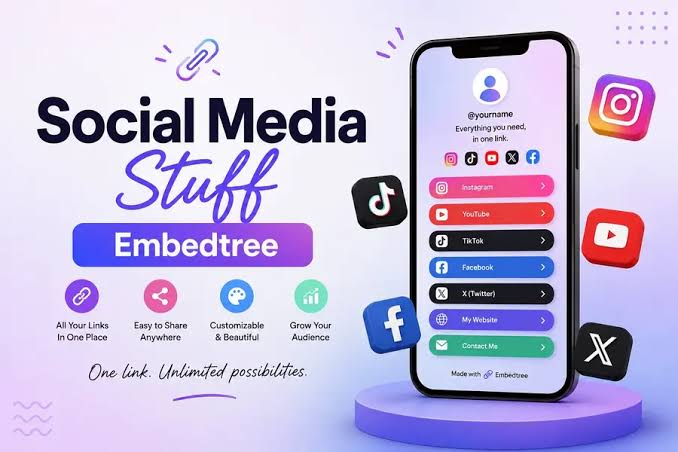
Media Stuff EmbedTree is a search topic related to digital media, embedded content, and online publishing. As websites increasingly use videos, images, audio players, and interactive elements to engage visitors, media embedding has become an important part of creating modern online experiences. Website owners, bloggers, publishers, and content creators often look for simple ways to display media without making their pages difficult to navigate or slow to load.
However, the exact identity and official functionality of Media Stuff EmbedTree have not been independently verified for this article. It is therefore important to distinguish general information about media embedding from features specifically offered by a product or platform called EmbedTree. This guide explains how embedded media works, why it matters, how to use it responsibly, and what to consider when choosing an embedding solution for a website or digital project.
Quick Facts About Media Stuff EmbedTree
| Quick Facts | Details |
|---|---|
| Topic | Media Stuff EmbedTree |
| Main Category | Digital media and online publishing |
| Associated Name | EmbedTree |
| Official Platform Status | Not independently verified |
| Primary Subject | Media embedding and content presentation |
| Common Media Types | Videos, images, audio, and interactive content |
| Potential Users | Bloggers, publishers, website owners, and creators |
| Main Benefits | Convenient content display and improved engagement |
| Technical Considerations | Compatibility, loading speed, and responsiveness |
| Security Considerations | Trusted sources and safe embedding practices |
| SEO Considerations | Page performance, accessibility, and useful content |
| Official Features | Require confirmation from a verified product source |
What Is Media Stuff EmbedTree?
Media Stuff EmbedTree is a phrase that may interest people researching ways to display digital media within websites or online content. The term suggests a connection with embedded media, but the exact service, product, or platform represented by EmbedTree has not been independently established here. Media Stuff EmbedTree.
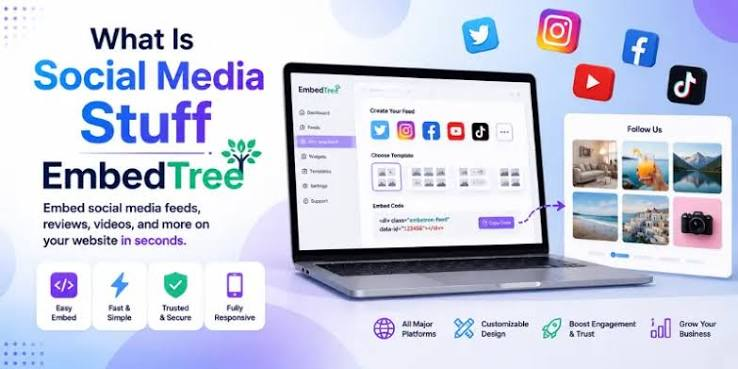
In general, media embedding allows content from one location to appear within another webpage. For example, a website can display a video player, audio recording, map, or social media post without requiring visitors to leave the page. Depending on the service, this may be accomplished through an embed code, an iframe, an official sharing feature, or an integration. Media Stuff EmbedTree.
Embedding can make digital content easier to consume. A blogger might place a tutorial video beside written instructions, while a publisher could include an audio interview within an article. Educational websites may use embedded presentations or demonstrations to help readers understand complex subjects. Media Stuff EmbedTree.
It is important not to assume that EmbedTree offers every feature associated with media embedding. Before using a platform with this name, readers should confirm its official website, supported media formats, pricing, and terms of service. A clear understanding of the actual service helps prevent confusion between a specific product and the broader technology it may relate to. Media Stuff EmbedTree.
How Media Embedding Works
Media embedding generally works by allowing a webpage to display content hosted by another service or included within the website itself. When visitors open the page, their browser loads the surrounding content and, where necessary, communicates with the external media provider to display the embedded item. Media Stuff EmbedTree.
One common method is an iframe. An iframe creates a separate browsing area inside a webpage, allowing compatible external content to appear within the page layout. Video platforms, maps, and certain interactive services commonly provide iframe-based embedding options. Media Stuff EmbedTree.
Another method involves using official embed codes generated by a media provider. These codes may contain the information needed to display a player or interactive element. The website owner inserts the code into a compatible content editor, and the provider handles the media display according to its own rules and technical requirements. Media Stuff EmbedTree.
Some websites instead host images, audio, or video files directly. In these cases, the page loads media from the website’s own server or content delivery network. Direct hosting offers greater control over presentation but may require additional storage, bandwidth, and technical management. Media Stuff EmbedTree.
The best approach depends on the type of media, the website platform, and the requirements of the content provider. Without verified technical documentation, it cannot be confirmed which embedding methods, if any, are supported specifically by EmbedTree.
Main Benefits of Embedded Media for Websites
Embedded media can make a webpage more informative and engaging. Written explanations are useful, but some subjects are easier to understand through a demonstration, visual example, or audio explanation. Adding relevant media can help readers follow instructions and understand the context of an article. Media Stuff EmbedTree.
For example, a cooking blog may embed a video demonstrating a recipe, while a technology website might include a product demonstration. Educational publishers can use visual lessons to explain difficult concepts, and businesses can display presentations that introduce their services. In each case, the media should support the page’s main purpose rather than simply fill space. Media Stuff EmbedTree.
Embedding can also simplify content management. When a provider supports official embedding, website owners may be able to display media without uploading and maintaining every file themselves. Changes made by the original provider may also appear automatically, depending on how the integration works. Media Stuff EmbedTree.
Another benefit is flexibility. Responsive embed layouts can adapt to different screen sizes, allowing visitors to view content on desktop computers, tablets, and smartphones. This is especially important because visitors may access the same webpage using a variety of devices and connection speeds. Media Stuff EmbedTree.
However, embedded media is not automatically beneficial in every situation. Too many external players, advertisements, or large media elements can distract visitors and increase loading times. Selecting relevant media and testing the page carefully can help preserve a smooth browsing experience. Media Stuff EmbedTree.
Types of Media That Can Be Embedded
Video is one of the most familiar forms of embedded media. Website owners often place tutorials, demonstrations, interviews, and educational clips within articles. A properly configured video player allows visitors to watch content without navigating away from the surrounding explanation. Media Stuff EmbedTree.
Images and visual galleries can also be integrated into online content. Photographs, diagrams, illustrations, and product images help readers understand information quickly. When displaying images, publishers should pay attention to image quality, alternative text, licensing, and responsive sizing. Media Stuff EmbedTree.
Audio embedding supports podcasts, interviews, music previews, recorded lessons, and other sound-based material. An audio player can be particularly useful for audiences who prefer listening to information rather than reading long passages. Publishers should provide appropriate controls and consider offering a transcript when practical. Media Stuff EmbedTree.
Interactive media introduces additional possibilities. Maps, presentations, charts, forms, and certain web applications can help visitors explore information directly. These elements may require additional scripts or permissions, so website owners should verify their security and compatibility before adding them. Media Stuff EmbedTree.
The exact media formats available through any specific EmbedTree service remain unconfirmed. Users should check the relevant provider’s documentation before assuming that a particular file type or interactive feature is supported.
How to Use Media Embedding Effectively
The first step is to identify the purpose of the media. Before adding a video, image, or interactive element, ask whether it improves the visitor’s understanding or makes a task easier. Media that directly supports the subject usually provides more value than unrelated visual material.
Next, choose a trustworthy source. Whenever possible, use the original publisher’s official sharing or embedding feature. Review the source’s terms and ensure that the content is permitted to be displayed on your website. Public availability does not automatically grant permission to reproduce copyrighted material.
After selecting the content, use the embedding method recommended by the provider. Website platforms vary in how they handle embed codes, so the appropriate process may involve a block editor, an HTML component, a plugin, or a built-in media tool. Avoid copying code from unknown websites, particularly if it includes scripts that you cannot explain.
Test the finished page on different devices. Confirm that the media appears correctly, controls work, and the content does not extend beyond the screen. Check that the page remains readable when the embedded player is unavailable or blocked by a browser setting.
Finally, review the page periodically. External content may be removed, links may stop working, and providers may change their embedding policies. Routine checks help maintain a professional website and reduce the likelihood of visitors encountering broken media.
Media Stuff EmbedTree and Website SEO
Search engine optimization involves making website content useful, accessible, understandable, and technically reliable. Embedded media can support these goals when it adds meaningful information to a page. A relevant tutorial video, for example, may help readers understand a process that would be difficult to explain through text alone.
However, adding an embedded element does not automatically improve search rankings. Search engines evaluate many factors, including content quality, relevance, page accessibility, site performance, and the overall usefulness of a page. Media should complement the written information rather than replace necessary explanations.
Page speed is an important consideration. Some embedded players load scripts, images, and other resources from external servers. Multiple heavy embeds can increase page loading time, particularly on mobile devices or slower internet connections. Using appropriately sized media, lazy loading where suitable, and performance testing can help reduce these effects.
Accessibility also matters. Provide descriptive text for meaningful images, captions or transcripts for video and audio where appropriate, and clear labels for interactive controls. These practices help more visitors understand and use the content.
If a specific EmbedTree product claims to offer SEO benefits, examine how those claims are supported. Confirm whether it provides useful technical features and test their actual effects instead of assuming that the platform name alone will improve visibility.
Security, Privacy, and Copyright Considerations
Media embedding can introduce security and privacy concerns when external content comes from untrusted sources. Some embeds load third-party scripts, track visitor interactions, or request access to external services. Website owners should understand what an embedded element does before publishing it.
Use trusted providers and review the permissions required by their embedding tools. Where possible, follow established security practices, limit unnecessary scripts, and use the platform’s recommended settings. Websites that collect personal information should also consider whether embedded services affect their privacy disclosures or consent requirements.
Copyright is another important issue. Images, videos, music, and other media may be protected even when they can be viewed freely online. An official embed option may permit certain uses under the provider’s terms, but downloading and re-uploading the same content can involve different rights and restrictions.
Privacy settings can affect whether an embedded item appears correctly. Some visitors may block third-party cookies or external scripts, and certain media providers may require consent before loading content. Website owners should account for these possibilities and provide a clear alternative when appropriate.
Because EmbedTree’s official identity and privacy practices have not been verified here, users should review its terms, data handling information, and security documentation before integrating it into a website.
Common Problems With Embedded Media and Their Solutions
One common problem is media that does not appear. This can happen when the source content has been deleted, the embed code is incorrect, the provider restricts external display, or a browser blocks the required resource. Start by checking the original content and testing the provider’s official embed method.
Another issue is a player that does not fit the screen. Fixed-width elements may extend beyond the content area on smartphones. Responsive sizing and appropriate container settings can help ensure that embedded media adjusts to different screen dimensions.
Slow page loading can occur when a page contains several external media players. Consider whether every embed is necessary and remove elements that do not contribute meaningfully to the content. Where supported, lazy loading can delay loading media until visitors approach it on the page.
Some embeds may also be blocked by content security policies or browser privacy settings. In such cases, review the provider’s documentation and the website’s configuration before changing security controls. Avoid weakening important protections just to make an unknown embed work.
If a problem appears only with a particular EmbedTree integration, consult the verified service documentation or support team if one exists. Since the exact platform has not been identified here, any product-specific troubleshooting steps would need to be confirmed before they could be recommended confidently.
Conclusion
Media Stuff EmbedTree is a search topic associated with media embedding and digital content presentation, but the exact identity and official capabilities of EmbedTree have not been independently verified. General media embedding technology allows website owners to display videos, images, audio, and interactive content within their pages, making information easier to explore and understand.
For the best results, use trusted sources, follow official embedding instructions, consider privacy and copyright requirements, and test performance across different devices. Relevant media can improve the usefulness of a website, but excessive or poorly configured embeds can create technical problems.
Before using a specific service called EmbedTree, confirm its official website, available features, and terms of service. A careful approach will help you create a more reliable online experience while protecting visitors and maintaining the quality of your content.
