


Tech Etruesports is a topic that brings together two rapidly developing areas of the digital world: technology and competitive gaming. As esports continues to attract players, viewers, gaming organizations, and technology companies, interest in platforms and concepts associated with gaming technology is growing. From powerful gaming computers and high-speed internet to live tournaments and performance-tracking software, technology plays a central role in the modern esports experience.
For gaming enthusiasts, understanding Tech Etruesports means exploring how digital tools improve gameplay, support competitive communities, and create new opportunities for entertainment. It also involves learning about gaming hardware, streaming platforms, online competitions, and the software used to analyze player performance. Whether someone is a casual gamer, an aspiring professional, or simply interested in gaming trends, this topic offers a useful starting point for understanding the connection between technology and esports.
| Quick Facts | Details |
|---|---|
| Main topic | Gaming technology and esports |
| Industry | Digital entertainment and competitive gaming |
| Core focus | Hardware, software, gaming platforms, and tournaments |
| Popular game genres | FPS, MOBA, strategy, and battle royale |
| Key technologies | AI, cloud computing, analytics, and streaming |
| Gaming devices | PCs, consoles, and mobile devices |
| Main audience | Gamers, esports fans, streamers, and technology enthusiasts |
| Career opportunities | Gaming, broadcasting, coaching, and software development |
| Competitive skills | Strategy, teamwork, communication, and quick decision-making |
| Future potential | Immersive gaming, smarter analytics, and improved connectivity |
1. What Is Tech Etruesports?
Tech Etruesports describes the connection between modern technology and electronic sports, commonly known as esports. Esports involves organized video game competitions in which individuals or teams compete according to specific rules. These competitions can range from small online tournaments to international events watched by large audiences. Technology makes these activities possible by connecting players, providing reliable gaming environments, and allowing spectators to watch matches remotely. tech etruesports.
The term can also be used when discussing the broader gaming technology ecosystem. This includes gaming hardware, software, internet connectivity, performance analysis, streaming services, and tournament management systems. It is important to understand that Tech Etruesports is a broad topic rather than a universally recognized technical standard. Depending on the context, it may refer to esports technology generally or to online content covering gaming news, equipment, and competitive gaming developments. tech etruesports.
2. How Technology Has Changed Competitive Gaming
Competitive video gaming has developed considerably since the early days of arcade machines and local multiplayer games. In earlier decades, players often competed in the same physical location using shared equipment. As home computers, gaming consoles, and internet connections improved, online multiplayer competitions became easier to organize. Players could practice against opponents in other cities and countries without traveling to a physical venue. tech etruesports.
Modern esports relies on more sophisticated systems that support tournaments, communication, broadcasting, and performance measurement. Dedicated game servers help manage online matches, while streaming technology allows audiences to follow competitions as they happen. Better graphics, faster displays, and more responsive controls have also improved the playing experience. These developments have helped competitive gaming grow into an entertainment sector with opportunities for players, event organizers, commentators, sponsors, and technology professionals. tech etruesports.
3. Gaming Hardware and Equipment for Esports
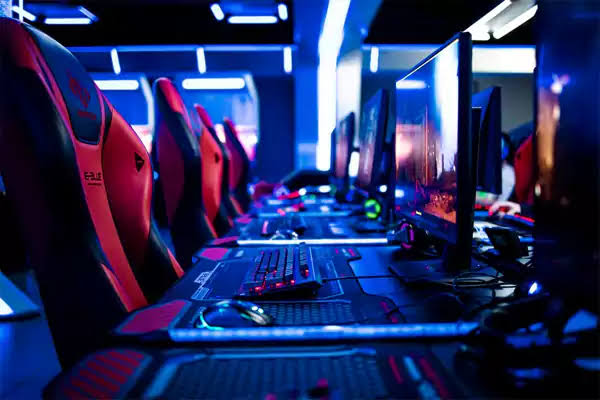
Gaming hardware is one of the most important parts of the Tech Etruesports ecosystem. Competitive players often use computers or consoles capable of running games smoothly and consistently. A gaming computer may include a powerful processor, a suitable graphics card, sufficient memory, and fast storage. These components help games load quickly, maintain stable performance, and display detailed graphics without unnecessary interruptions. tech etruesports.
Peripherals also influence the gaming experience. Responsive keyboards, comfortable mice, accurate controllers, clear headsets, and suitable monitors help players interact with games effectively. A monitor with a high refresh rate can display motion more smoothly when the computer or console produces enough frames to support it. However, expensive equipment does not automatically make someone a better competitor. Choosing comfortable, reliable equipment that matches a player’s game and budget is often more useful than purchasing every premium accessory. tech etruesports.
4. The Role of Software, Artificial Intelligence, and Analytics
Software supports almost every stage of competitive gaming. Games themselves contain matchmaking systems, ranking mechanisms, statistics, and communication features. Tournament organizers may use dedicated applications to schedule matches, manage brackets, record results, and communicate rules. Streaming software helps creators broadcast gameplay, while editing tools allow them to produce highlights and educational videos for their audiences. tech etruesports.
Artificial intelligence and data analytics are also becoming useful in gaming. Depending on the game and the tools available, analytics can help players review match histories, identify recurring mistakes, and understand performance patterns. AI-assisted systems may help summarize gameplay, support coaching, or detect suspicious activity. These technologies should be treated as aids rather than guarantees of success. Their usefulness depends on the quality of the data, the accuracy of the analysis, and the player’s ability to apply the findings during practice.
5. Internet Connectivity and Online Gaming Performance
A stable internet connection is essential for many forms of competitive online gaming. One important measurement is latency, often called ping, which describes the time required for data to travel between a player’s device and a game server. Lower latency generally makes online interactions feel more responsive. High latency can cause noticeable delays, making it harder to aim accurately, react to opponents, or coordinate with teammates during fast-paced matches.
Internet speed is not the only factor that matters. Packet loss, unstable connections, network congestion, and server distance can all affect gameplay. Players can often improve their experience by using a reliable broadband connection, connecting through Ethernet when practical, and selecting an appropriate server region. Modern wireless technologies can also provide good performance, although results vary according to signal quality and network conditions. Understanding these factors helps gamers troubleshoot problems before spending money on new equipment.
6. Popular Esports Games and Competitive Genres
Esports includes several game genres, each requiring different skills and strategies. First-person shooters emphasize aiming, positioning, reaction time, and teamwork. Multiplayer online battle arena games, commonly called MOBAs, require players to coordinate abilities, manage resources, select effective strategies, and work toward shared objectives. Real-time strategy games focus heavily on planning, resource management, and decision-making under pressure.
Battle royale games, sports simulations, fighting games, and competitive mobile titles also contribute to the esports landscape. Each genre attracts different communities and creates its own competitive environment. Some games are built around professional leagues, while others rely on open tournaments, ranked ladders, or community competitions. For beginners, choosing a game they genuinely enjoy is a sensible starting point. Consistent practice, learning the rules, reviewing mistakes, and communicating respectfully with other players can help build the foundation needed for competitive improvement.
7. Esports Careers and Professional Opportunities
Tech Etruesports is relevant to more than people who want to become professional gamers. The wider industry includes many roles that combine technology, entertainment, communication, and business. Professional players compete in tournaments, while coaches help teams develop strategies and improve their performance. Analysts study gameplay and statistics, and commentators explain matches to viewers. Streamers and content creators build audiences by sharing gameplay, tutorials, reviews, and entertainment.
Technical and operational careers are equally important. Game developers, software engineers, broadcast technicians, tournament organizers, graphic designers, community managers, and marketing professionals can all contribute to esports projects. People interested in these careers can begin by learning relevant skills, creating practical projects, and participating in gaming communities. For example, someone interested in broadcasting might practice video editing, while a person interested in software development could learn programming and build a simple tournament-management application. A career is not guaranteed, but focused learning can create useful opportunities.
8. Benefits and Challenges of Modern Esports
Competitive gaming can help players develop several useful skills when approached responsibly. Team-based games encourage communication, cooperation, and coordinated decision-making. Strategy games can require planning, adaptability, and resource management, while competitive practice encourages players to review mistakes and work toward measurable goals. Esports communities can also bring people together across geographical boundaries, allowing them to share interests and form friendships.
However, gaming also has challenges that should not be ignored. Excessive playing time can interfere with sleep, education, employment, physical activity, and relationships. Competitive environments may involve stress, online harassment, cheating, or pressure to perform consistently. Professional players can also face uncertain income and demanding schedules. A balanced approach includes regular breaks, adequate sleep, physical activity, respectful communication, and realistic expectations. These habits support long-term participation without allowing gaming to overwhelm other responsibilities.
9. The Future of Tech Etruesports
The future of Tech Etruesports will likely be influenced by improvements in computing, connectivity, artificial intelligence, and immersive entertainment. Cloud gaming may make certain games accessible on devices that cannot run them locally, although performance still depends on network quality and service availability. Virtual reality could support additional forms of competitive play, while augmented reality may introduce new interactive experiences. The success of these technologies will depend on cost, accessibility, comfort, and whether they offer meaningful advantages to players and spectators.
Data-driven training, improved broadcasting, and more accessible tournament platforms may also shape the industry. Better analytical tools could help players understand their performance, while interactive broadcasts could give viewers additional ways to follow matches. Mobile gaming may remain important because smartphones allow people to participate without purchasing expensive gaming computers or consoles. Nevertheless, future growth will depend on practical factors such as fair competition, sustainable business models, player well-being, and the continued development of engaging games.
Conclusion
Tech Etruesports represents the growing relationship between technology and competitive gaming. From powerful gaming computers and responsive peripherals to stable internet connections, analytics, and streaming software, technological systems help players compete and audiences enjoy esports. The industry also creates opportunities in software development, broadcasting, coaching, content creation, event management, and other professional fields.
Understanding Tech Etruesports does not require owning expensive equipment or becoming a professional player. Beginners can start by learning about their favorite games, improving their basic skills, choosing suitable equipment, and exploring gaming communities. As technology continues to evolve, competitive gaming will offer new experiences and opportunities. The most valuable approach is to combine curiosity about innovation with responsible gaming habits, continuous learning, and realistic expectations.
