


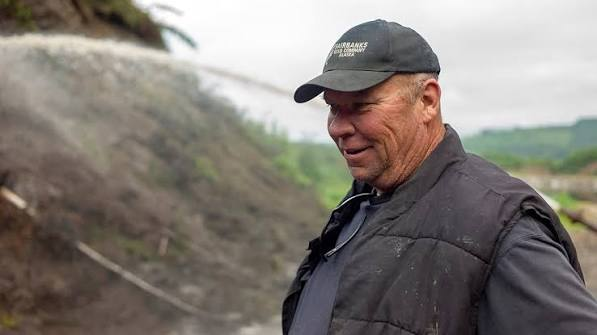
Boneyard Alaska is a remarkable paleontological discovery site near Fairbanks, Alaska, where a family searching for gold uncovered an extraordinary collection of ancient bones and mammoth tusks. What began as an ordinary mining activity in 2007 gradually developed into a long-term effort to uncover and preserve evidence of prehistoric life. Boneyard Alaska site has attracted interest from people fascinated by woolly mammoths, Ice Age animals, ancient ecosystems, and the mysteries hidden beneath Alaska’s frozen ground.
Boneyard Alaska Quick Facts
Name
Boneyard Alaska
Location
Fairbanks, Alaska, United States
Discovery year
2007
Discoverer
John Reeves
Family involved
The Reeves family
Site size
Approximately 5 acres
Main discoveries
Mammoth tusks, ancient bones, and other Ice Age remains
Historical period
Pleistocene Epoch
Primary purpose
Discovering and preserving prehistoric remains
Public access
Private property; access should be confirmed with the owners
1. What Is Boneyard Alaska?
Boneyard Alaska is an active fossil excavation site associated with a gold-mining property near Fairbanks, Alaska. It became known for the discovery of numerous prehistoric animal remains buried beneath the ground. Unlike a conventional museum, where fossils are displayed after excavation and preparation, Boneyard Alaska represents an ongoing search for ancient specimens and an attempt to understand the environment in which these animals lived.
The site is particularly interesting because its discoveries emerged from an unexpected source. John Reeves was looking for gold when he encountered evidence of something much older and scientifically intriguing. Instead of focusing exclusively on mining, he began investigating the possibility that the surrounding ground contained more prehistoric remains. That decision transformed the property into a long-running excavation project with a growing collection of fossils.
The term Boneyard Alaska has consequently become associated with Ice Age discoveries, mammoth tusks, and the broader history of prehistoric Alaska. Its story appeals to fossil enthusiasts, natural history readers, researchers, and people who enjoy learning how ordinary activities can lead to extraordinary discoveries. The site also demonstrates how much information can remain hidden beneath a landscape that appears familiar on the surface.
2. How John Reeves Discovered Boneyard Alaska
The story of Boneyard Alaska began in 2007 when John Reeves was conducting routine gold exploration on his mining property near Fairbanks. During the work, he noticed an unusual smell and subsequently discovered a complete mammoth tusk measuring approximately 12 feet long. The find was unexpected because his primary objective was to locate gold-bearing gravel rather than prehistoric animal remains.
The discovery encouraged Reeves to investigate further. He became interested in determining whether the tusk was an isolated specimen or part of a much larger concentration of fossils. Rather than immediately abandoning the area or treating the find as an ordinary mining obstacle, he redirected his attention toward exploring the surrounding ground. His curiosity became the foundation of the Boneyard Alaska project.
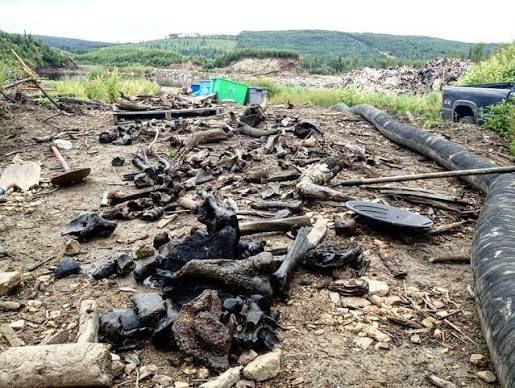
During the initial search, Reeves and his family reportedly discovered the matching mammoth tusk, along with approximately 100 additional Ice Age bones. These early discoveries gave them a reason to continue exploring the property. What started as an unexpected interruption to gold mining developed into a sustained effort to recover, organize, and preserve ancient remains that might otherwise have remained undiscovered.
3. The Role of the Reeves Family
The Reeves family has played a central role in the development of Boneyard Alaska. After the first major discoveries, John Reeves, his wife Ramona, and their children devoted substantial time to searching for additional remains. Their involvement helped transform the excavation from an individual discovery into a family undertaking that continued across many years.
The work required patience and practical problem-solving. Recovering ancient bones is not simply a matter of digging until something appears. Fossil fragments can be fragile, difficult to recognize, and challenging to remove without causing damage. The family had to collect the remains, move them safely, organize their growing collection, and find ways to protect the specimens from unnecessary deterioration.
Their approach also reflects a personal commitment to preserving the discoveries for future study. The family has described its intention to retain the collection over the long term rather than allowing the specimens to be lost or discarded. This commitment is a major part of the Boneyard Alaska story because the value of an ancient fossil lies not only in its appearance but also in the historical information it may contain.
4. What Ancient Fossils Have Been Found at the Site?
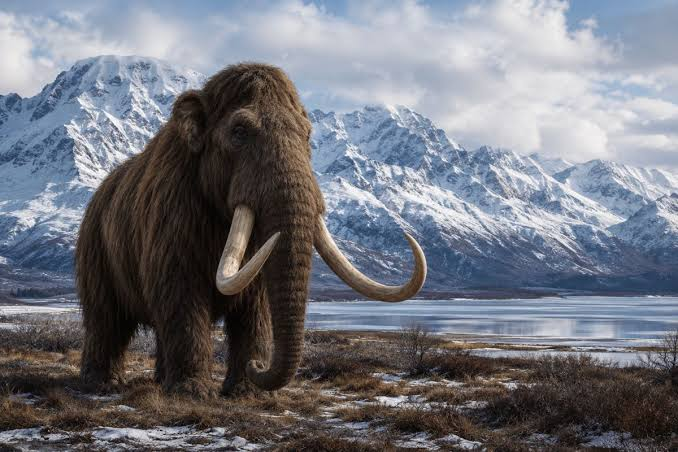
One of the most fascinating aspects of Boneyard Alaska is the variety of prehistoric remains associated with the property. Mammoth tusks are among its most recognizable discoveries. These enormous structures once belonged to woolly mammoths, animals that lived across northern regions during the Ice Age. Their remains help researchers investigate animal anatomy, environmental conditions, and the history of ancient populations.
The collection is also associated with other large mammals, including ancient bison and remains attributed to dire wolves. Such discoveries are especially interesting because they may provide clues about the diversity of animals that inhabited prehistoric Alaska. Different species occupied different ecological roles, and studying their remains can help scientists reconstruct relationships between predators, herbivores, and the environments that supported them.
However, individual discoveries must be identified carefully. A bone’s appearance alone cannot always establish the species, its exact age, or the circumstances surrounding the animal’s death. Scientific examination may involve comparisons with known specimens, anatomical analysis, geological context, and laboratory testing. For this reason, the collection’s potential significance depends not only on the number of objects recovered but also on how thoroughly they can be documented and studied.
5. Why Alaska Is Important for Ice Age Research
Alaska is an important region for understanding the Pleistocene Epoch, a geological period that lasted from approximately 2.6 million years ago until around 11,700 years ago. During this time, global climates changed repeatedly, affecting vegetation, animal populations, and the distribution of land and water. Northern Alaska and the interior regions experienced environmental conditions that supported a variety of large mammals adapted to cold and often dry landscapes.
Frozen ground and permafrost can help preserve animal remains for exceptionally long periods. Under suitable conditions, low temperatures slow the processes that normally break down organic material. As a result, some northern discoveries preserve details that are often lost in warmer environments. Bones and tusks can survive alongside other traces of ancient life, offering valuable evidence about the animals that once inhabited the region.
Boneyard Alaska is interesting within this broader scientific context because its discoveries raise questions about the concentration of remains at a particular location. Scientists may investigate whether geological processes, environmental conditions, animal behavior, or other factors explain why so many specimens occur together. Establishing a convincing explanation requires careful research rather than assumptions based on the number of fossils alone.
6. How Fossils Are Excavated and Preserved
Excavating fossils requires a balance between removing surrounding material and protecting the objects being recovered. At Boneyard Alaska, Reeves has described using hydraulic water equipment inspired by traditional gold-mining methods. This approach allows the team to work through certain layers of soil and frozen material while searching for buried remains.
The technique is particularly relevant when dealing with a site that contains numerous fragments. Heavy machinery can move large amounts of earth quickly, but careless excavation can also damage specimens or separate them from important geological evidence. Using controlled methods can help reduce some risks, although every excavation technique requires judgment and appropriate precautions. The condition of the ground and the nature of the material being recovered influence how the work should proceed.
Once a specimen is removed, preservation becomes another important responsibility. Bones and tusks may require careful cleaning, drying, identification, labeling, and secure storage. Maintaining records about where each item was found can be just as important as preserving the physical object. Without accurate documentation, researchers may lose information about the specimen’s original position and its relationship to other discoveries.
7. What Makes Boneyard Alaska Different From a Museum?
A museum typically presents selected specimens in an organized environment designed for education, research, and public access. Visitors can examine displays, read explanatory information, and learn about prehistoric life without participating in the excavation process. Boneyard Alaska differs because it is primarily an active discovery and preservation project rather than a conventional public exhibition.
The site offers a different perspective on paleontology by highlighting the work that occurs before a fossil reaches a display case. Finding an ancient bone is only one stage of a much longer process. The specimen must be recovered, protected, identified, and potentially compared with other remains before scientists can determine what it reveals about prehistoric life. This behind-the-scenes aspect is one reason the project attracts attention.
Another important difference concerns access. Because the excavation is associated with private property, it should not be treated as an ordinary tourist attraction. People interested in seeing the collection should check directly with the owners about any authorized access or public viewing opportunities. Museums and other established natural history institutions offer alternatives for anyone who wants to explore Alaska’s prehistoric heritage in a public setting.
8. Boneyard Alaska and Its Scientific Importance
The scientific importance of Boneyard Alaska lies in the questions its collection may help researchers investigate. Ancient remains can provide information about the animals that lived in a region, their physical characteristics, and the environmental conditions they experienced. When specimens are properly identified and documented, they can contribute to a wider understanding of how prehistoric ecosystems changed over time.
The concentration of remains at the site has also encouraged questions about the area’s geological history. Scientists may examine sediment layers, preserved organic material, and other geological evidence to understand how the fossils became buried and why they remained preserved. These investigations can help distinguish between different explanations for the accumulation of animal remains and identify which conclusions are supported by evidence.
It is important, however, to distinguish promising discoveries from established scientific conclusions. A private collection can contain material of considerable research interest, but its significance becomes clearer through careful examination, reliable dating, transparent documentation, and peer-reviewed study where appropriate. Continued research may clarify unanswered questions about the site and reveal additional information about Alaska’s Ice Age past.
9. Can You Visit Boneyard Alaska or Watch Its Documentary?
People interested in Boneyard Alaska often want to see the fossils in person. However, the excavation is located on private property, and unrestricted public access should not be assumed. Anyone hoping to visit should contact the owners or consult the project’s official information to determine whether visits, tours, or other viewing arrangements are available.
The documentary titled Boneyard Alaska provides another way to learn about the project. The film explores the excavation, the people involved, and the unusual discoveries that made the site noteworthy. Documentary storytelling can help viewers understand the scale of the work and the excitement of finding remains that have been buried for thousands of years.
For viewers who cannot visit Alaska, the documentary and educational resources about the Pleistocene provide useful starting points. It is also worth exploring natural history museums in Alaska, where visitors can encounter prehistoric specimens in an accessible educational setting. These options offer opportunities to learn about mammoths and other ancient animals without entering an active excavation site.
Conclusion
Boneyard Alaska is a compelling example of how an unexpected discovery can develop into a long-term effort to preserve prehistoric history. What began with John Reeves searching for gold in 2007 became a family project focused on recovering mammoth tusks, ancient bones, and other remains from Alaska’s Ice Age past. The discoveries have attracted interest because of their variety, their concentration at one location, and the questions they raise about the region’s ancient environment.
The site’s story also highlights the importance of careful excavation, responsible preservation, and scientific investigation. Although many details about the collection may require further study, Boneyard Alaska provides an intriguing glimpse into the prehistoric world hidden beneath Alaska’s landscape. For anyone interested in fossils, woolly mammoths, and natural history, it offers a fascinating reminder that some of the most remarkable discoveries begin when someone decides to investigate the unexpected.
