



Artificial intelligence is no longer a distant technological ambition. It has become a structural force shaping economies, institutions, and everyday life. From automated decision systems to predictive analytics, AI influences how choices are made and who benefits from them. As adoption accelerates, a crucial realization is emerging: ai transformation is a problem of governance, not merely a technical upgrade. The challenges surrounding AI are deeply connected to power, accountability, and institutional capacity rather than algorithms alone.
Understanding AI transformation through a governance lens shifts the conversation. It moves attention away from innovation hype toward questions of oversight, legitimacy, and long-term societal impact. This perspective recognizes that technology oes not operate in a vacuum but within political, legal, and cultural systems that determine its consequences.
Historical Context Explaining Why AI Transformation Is a Problem of Governance

Technological revolutions have always required governance responses. Industrialization reshaped labor laws, urban planning, and public safety regulations. Digitalization demanded new data protection frameworks and communication policies. Similarly, AI introduces systemic changes that existing institutions were not designed to manage.
The novelty of AI lies in its autonomy and scale. Decision-making processes once controlled by humans are increasingly delegated to machines. This shift exposes gaps in regulatory authority and ethical accountability, reinforcing the idea that ai transformation is agovernance rooted in institutional readiness rather than computational capability.
Power Redistribution and Why AI Transformation Is a Problem of Governance
AI systems redistribute power by concentrating influence in the hands of those who control data, infrastructure, and models. Governments, corporations, and platforms gain asymmetric advantages, while individuals often lack transparency or recourse.
Governance determines how this power is balanced. Without frameworks to ensure fairness and oversight, AI can amplify inequality. This makes clear that ai transformation problem of governance because power dynamics, not code efficiency, shape outcomes
Institutional Capacity and Why AI Transformation Is a Problem of Governance
Many public institutions struggle to keep pace with AI development. Limited technical expertise, slow legislative processes, and fragmented authority weaken oversight mechanisms.

When institutions cannot evaluate or regulate complex systems, accountability erodes. This institutional lag illustrates why ai transformation problem of governance, highlighting the need for adaptive regulatory structures capable of responding to rapid innovation.
Accountability Gaps Showing Why AI Transformation Is a Problem of Governance
AI systems often operate through opaque models that obscure responsibility. When harm occurs, determining liability becomes difficult. Was it the developer, deployer, or data provider?
These accountability gaps are governance failures. Effective governance defines responsibility chains and enforcement mechanisms. Without them, ai transformation problem of governance because ethical principles cannot be translated into enforceable practice.
Transparency Challenges and Why AI Transformation Is a Problem of Governance
Transparency is central to democratic oversight, yet many AI systems resist explanation. Proprietary models and technical complexity limit public scrutiny.
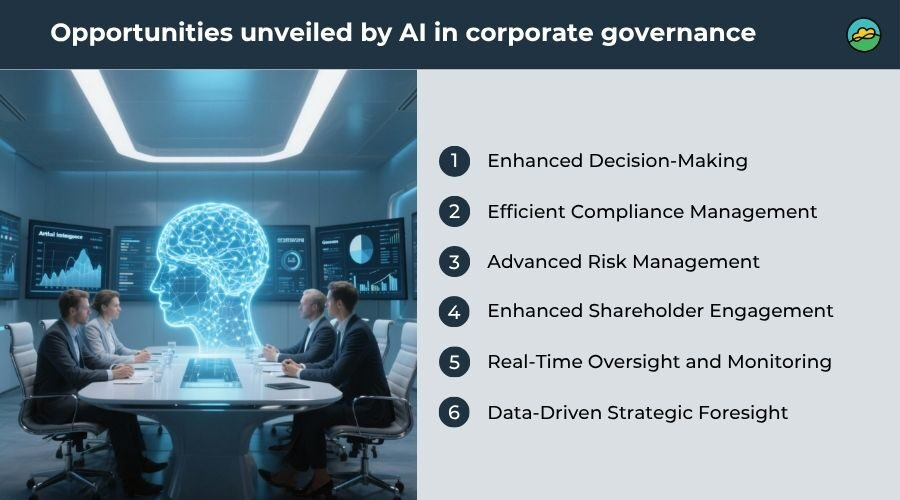
Governance frameworks must address transparency requirements without stifling innovation. The tension between openness and competitiveness reinforces why ai transformation problem of governance rather than a purely technical dilemma.
Global Inequality and Why AI Transformation Is a Problem of Governance
AI development is concentrated in a few regions with access to capital, talent, and data. This uneven distribution risks deepening global inequality.
Governance at international levels is necessary to prevent technological dominance from translating into geopolitical imbalance. The absence of coordinated global rules shows why ai transformation problem of governance that extends beyond national borders.
Ethical Standards and Why AI Transformation Is a Problem of Governance
Ethical guidelines for AI exist, but enforcement remains weak. Voluntary principles lack binding power, leading to inconsistent application.
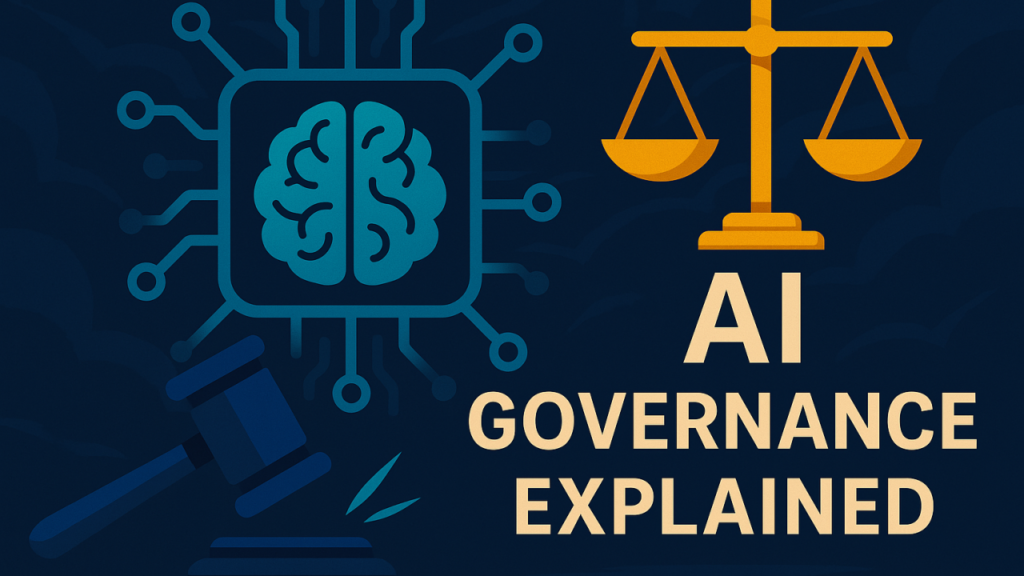
Governance provides the structure needed to operationalize ethics. Without legal and institutional backing, ethical AI remains aspirational, underscoring why ai transformation problem of governance rather than moral intent alone.
Public Trust and Why AI Transformation Is a Problem of Governance
Trust is essential for technology adoption. When AI systems make consequential decisions without explanation, public confidence declines.
Governance mechanisms such as audits, appeals, and participation build trust. Their absence demonstrates why ai transformation is a of governance, as legitimacy depends on inclusive oversight.
Economic Regulation and Why AI Transformation Is a Problem of Governance
AI reshapes labor markets, productivity, and competition. Automation threatens job displacement while creating new forms of value.
Managing these transitions requires policy intervention. Market forces alone cannot ensure equitable outcomes, reinforcing that ai transformation is a problem of governance tied to economic stability and social protection.
Data Control and Why AI Transformation Is a Problem of Governance
Data fuels AI systems, yet ownership and consent remain contested. Individuals often lack meaningful control over how their data is used.
Governance defines data rights, access, and protection. Weak data governance structures explain why ai transformation is a problem of governance with implications for privacy and autonomy.
Security Risks and Why AI Transformation Is a Problem of Governance
AI introduces new security vulnerabilities, from automated cyberattacks to misinformation amplification. These risks affect national security and social cohesion.
Governance frameworks coordinate prevention, response, and accountability. Without them, ai transformation is a problem of governance that threatens systemic stability.
Democratic Processes and Why AI Transformation Is a Problem of Governance
AI increasingly influences political communication, voter targeting, and information flows. These applications can distort democratic processes if unchecked.

Safeguarding democracy requires governance mechanisms that regulate political uses of AI. This necessity confirms why ai transformation is a problem of governance central to civic integrity.
Corporate Responsibility and Why AI Transformation Is a Problem of Governance
Private companies lead AI development, often prioritizing growth over societal impact. Self-regulation alone is insufficient to address public risks.
Governance establishes boundaries and incentives that align private innovation with public interest. The imbalance highlights why ai transformation is a problem of governance rather than corporate coice alone.
Legal Adaptation and Why AI Transformation Is a Problem of Governance
Existing legal systems struggle to classify AI actions within traditional categories of intent and causality. This creates regulatory ambiguity.
Legal adaptation is a governance function. Updating laws to address AI realities shows why ai transformation is a problem of governance embedded in legal evolution.
Cultural Context and Why AI Transformation Is a Problem of Governance
AI systems reflect cultural values embedded in data and design choices. Governance ensures these systems respect social norms and diversity.
Ignoring cultural context risks homogenization and exclusion, emphasizing why ai transformation is a problem of governance sensitive to societal values.

Long-Term Impact and Why AI Transformation Is a Problem of Governance
AI decisions can have long-lasting consequences that extend beyond immediate efficiency gains. Short-term optimization may undermine long-term resilience.
Governance frameworks encourage foresight and sustainability. Their absence explains why ai transformation is a problem of governance affecting future generations.
Policy Coordination and Why AI Transformation Is a Problem of Governance
AI policy spans multiple sectors, from health to finance. Fragmented regulation creates inconsistencies and loopholes.
Effective governance requires coordination across agencies and jurisdictions. This complexity shows why ai transformation is a problem of governance demanding systemic alignment.

Education Systems and Why AI Transformation Is a Problem of Governance
Preparing societies for AI requires education reform. Skills development, literacy, and adaptability are governance responsibilities.
Without coordinated education policy, benefits remain uneven, reinforcing why ai transformation is a problem of governance tied to human capital development.
Measuring Impact and Why AI Transformation Is a Problem of Governance
Assessing AI impact requires metrics beyond economic growth. Social well-being, fairness, and resilience matter equally.
Governance defines evaluation standards. The lack of shared metrics demonstrates why ai transformation is a problem of governance affecting evidence-based decision making.
Conclusion: Why AI Transformation Is a Problem of Governance at Its Core
AI transformation reshapes societies in profound ways. While technology enables change, governance determines direction. Rules, institutions, and values guide how AI is developed, deployed, and constrained.
Recognizing that ai transformation is a problem of governance reframes responsibility. It emphasizes collective decision making over technical determinism. Only through effective governance can AI serve public interest, preserve democratic values, and ensure sustainable progress in an increasingly automated world.
