


The question are peptides legal has become increasingly common as peptides gain visibility in health, fitness, research, and cosmetic discussions. Peptides are often mentioned in connection with muscle recovery, skin care, medical research, and performance enhancement, which naturally raises questions about their legality. Because peptides exist at the intersection of science, medicine, and consumer products, confusion about their legal status is widespread.
Understanding whether peptides are legal requires examining how they are classified, how they are used, and how laws differ depending on purpose and location. This article provides a comprehensive, neutral overview of peptide legality without promoting use or making medical claims. The goal is to clarify regulatory frameworks and help readers understand why the legal status of peptides is not always straightforward.
Are Peptides Legal and What Peptides Actually Are
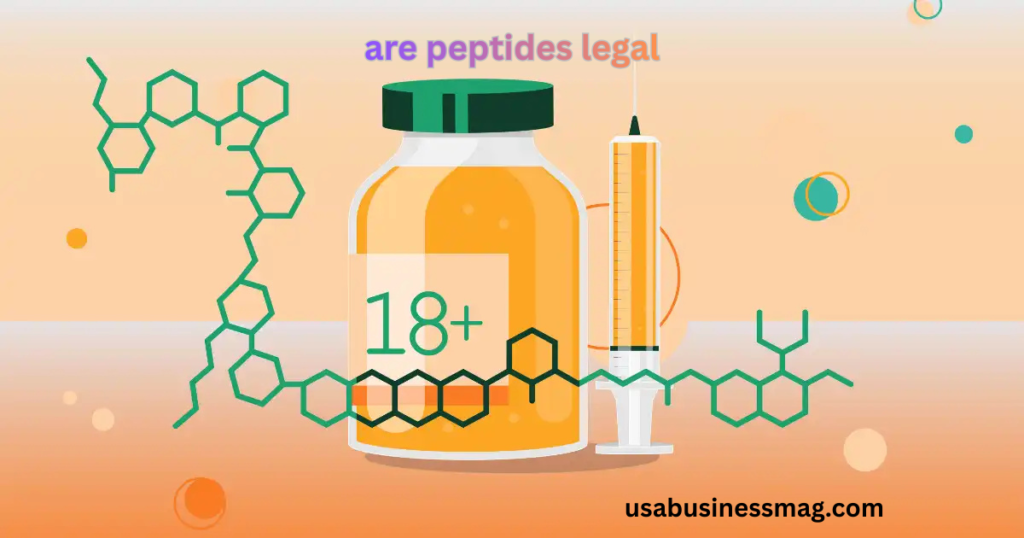
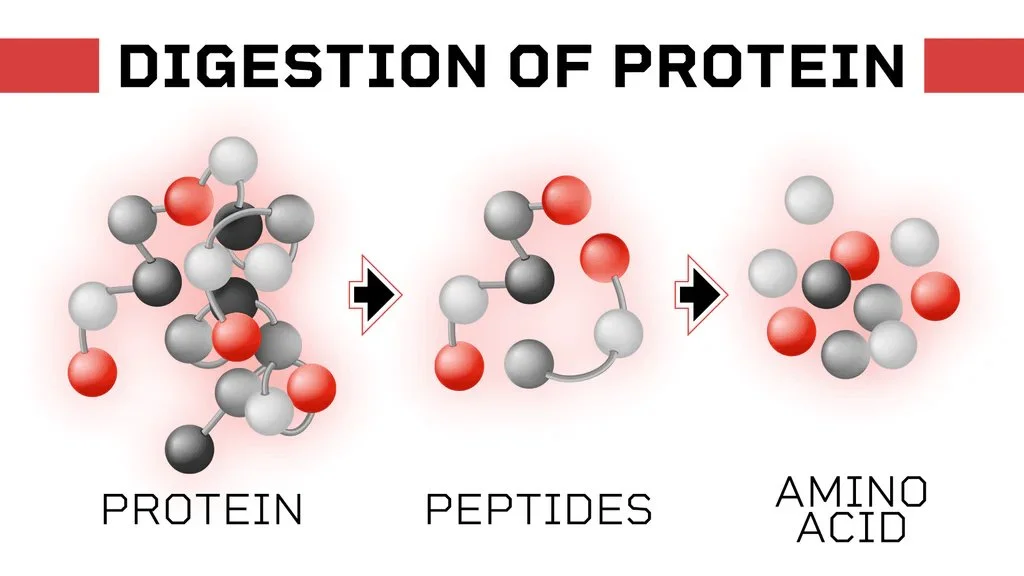
To understand are peptides legal, it is important to first understand what peptides are. Peptides are short chains of amino acids, which are the building blocks of proteins. They occur naturally in the human body and play essential roles in biological processes such as hormone signaling, immune function, and tissue repair.
Because peptides can be synthesized in laboratories, they are used in a wide range of scientific and medical contexts. Some peptides are naturally occurring, while others are designed for specific research purposes. This wide variation is one reason peptide legality is complex.
Not all peptides are treated the same under the law, and their intended use plays a major role in how they are regulated.
Are Peptides Legal Under Scientific and Research Regulations
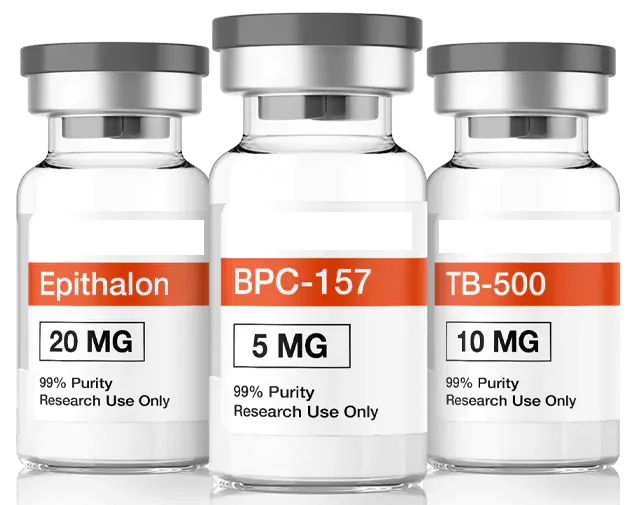
In research environments, the question are peptides legal often has a clear answer. Many peptides are legal to manufacture, purchase, and possess when they are labeled strictly for research use. Universities, laboratories, and pharmaceutical companies routinely use peptides in controlled research settings.
These research peptides are not approved for human consumption and are often sold with clear disclaimers stating they are for laboratory use only. When used within these guidelines, peptides are generally legal in many countries.
Problems arise when research-grade peptides are marketed or used outside their approved purpose, which can lead to regulatory violations.
Are Peptides Legal for Medical and Prescription Use
When considering are peptides legal in a medical context, regulation becomes much stricter. Some peptides are approved as prescription medications and are legally prescribed by licensed healthcare professionals.
In these cases, peptides undergo clinical trials and regulatory review to confirm safety and effectiveness. Once approved, they are legal only when prescribed and dispensed according to medical laws.
Using or selling prescription peptides without authorization can be illegal, even if the same peptide is legal in a research context. This distinction is critical for understanding peptide legality.
Are Peptides Legal in Sports and Athletic Contexts
The topic are peptides legal often arises in sports and athletic communities. Many sports organizations regulate peptide use due to concerns about performance enhancement.
Certain peptides are banned by professional and international sports authorities. Athletes subject to drug testing may face penalties if prohibited peptides are detected, regardless of whether those peptides are legal under general law.
This means peptides can be legal to own but illegal to use in competitive sports, highlighting how legality depends on context rather than a single rule.
Are Peptides Legal for Over-the-Counter Products
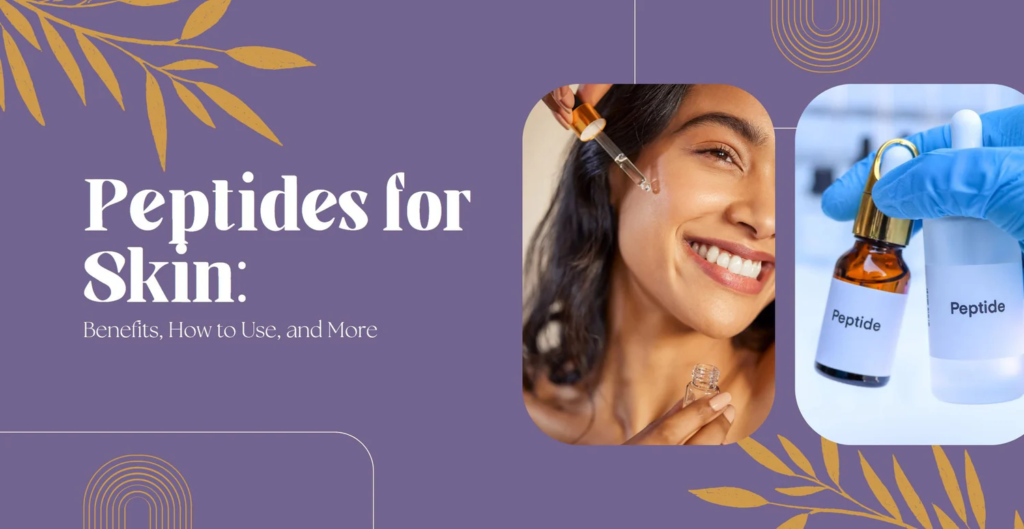
Consumers frequently ask are peptides legal when encountering peptide-based skincare or wellness products. In cosmetics, peptides are often used as ingredients designed to support skin appearance.
These cosmetic peptides are typically regulated as ingredients rather than drugs, provided they do not make medical claims. When used within approved formulations and marketing guidelines, such peptides are generally legal for sale.
Regulatory agencies monitor labeling and claims closely, and products that cross into medical territory may face enforcement action.
Are Peptides Legal and the Role of Regulatory Agencies
Regulatory agencies play a central role in answering are peptides legal. Organizations such as drug regulators, health authorities, and food safety agencies determine how peptides are classified and controlled.
These agencies assess factors such as intended use, method of administration, and marketing claims. A peptide sold for laboratory research may fall under different rules than the same peptide sold as a therapeutic product.
Because regulations evolve with scientific understanding, legality can change over time as new evidence emerges.
Are Peptides Legal in Different Countries and Regions
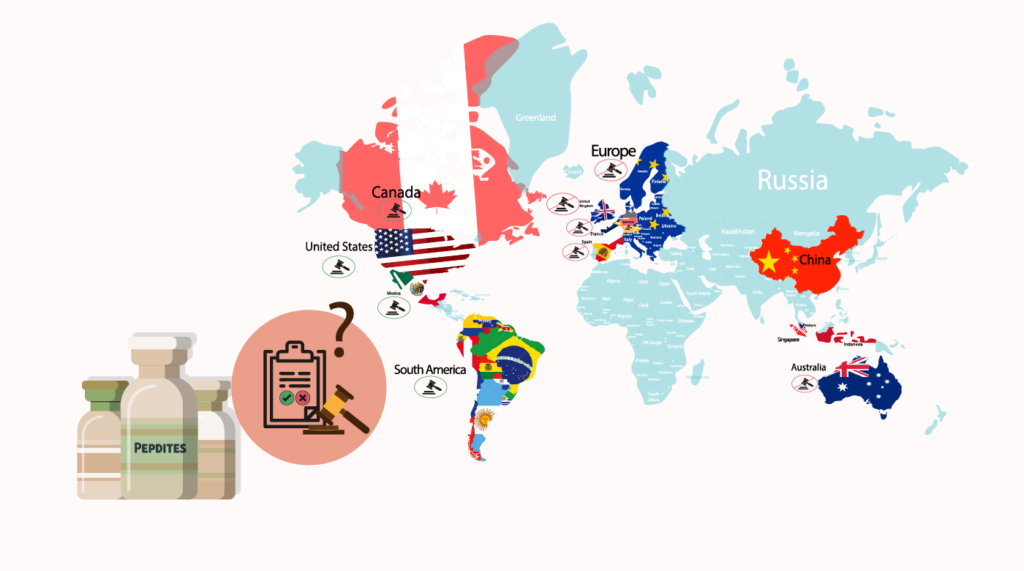
One reason the question are peptides legal is difficult to answer universally is that laws vary by country. A peptide that is legal in one jurisdiction may be restricted or banned in another.
Some countries allow broad access to research peptides, while others impose tighter controls. Import and export laws further complicate matters, as transporting peptides across borders may require permits or documentation.
Anyone dealing with peptides must consider local laws rather than relying on global assumptions.
Are Peptides Legal and the Difference Between Possession and Use
Another key factor in are peptides legal discussions is the distinction between possession and use. In some regions, owning certain peptides may be legal, but using them for specific purposes may not be.
For example, possession of research peptides may be allowed, but administering them to humans without approval can be illegal. This distinction often surprises people who assume legality is absolute.
Understanding how laws separate possession, sale, and use is essential for avoiding legal risks.
Are Peptides Legal and Marketing Restrictions
Marketing plays a major role in determining are peptides legal. How a peptide is advertised can influence whether it falls under drug, supplement, or cosmetic regulations.
Products that claim to treat, prevent, or cure diseases may be classified as drugs, triggering stricter legal requirements. Even if the peptide itself is not illegal, improper marketing can result in enforcement actions.
Clear labeling and responsible marketing are essential for compliance.
Are Peptides Legal in Dietary Supplements
The question are peptides legal is especially common in relation to dietary supplements. In many jurisdictions, peptides are not approved as dietary supplement ingredients.
Supplements are regulated differently from drugs, and unauthorized ingredients can make a product illegal even if it is widely sold online. Regulatory agencies often issue warnings or recalls for supplements containing unapproved peptides.
Consumers should be cautious when encountering supplements claiming peptide benefits without regulatory approval.
Are Peptides Legal and Online Sales Concerns
Online marketplaces have intensified confusion around are peptides legal. Peptides are often sold through websites that operate across borders, making enforcement challenging.
The availability of a product online does not necessarily mean it is legal in a buyer’s location. Some sellers label peptides as “research only” to avoid stricter regulations, even when buyers may intend other uses.
This gap between availability and legality creates significant risk for both sellers and buyers.
Are Peptides Legal and Enforcement Challenges
Enforcement is another dimension of are peptides legal discussions. Regulatory agencies may prioritize certain violations over others due to limited resources.
This can result in peptides being widely available despite unclear or restrictive laws. However, lack of enforcement does not equal legality, and penaltiesmay still apply if regulations are violated.

Understanding enforcement realities helps explain why peptide markets appear inconsistent.
Are Peptides Legal and Ethical Considerations
Beyond legality, are peptides legal discussions often touch on ethics. Ethical use involves transparency, safety, and respect for regulatory frameworks.
Using peptides outside approved contexts may raise concerns about safety and informed consent. Ethical standards often go beyond legal minimums, emphasizing responsibility even when laws are unclear.
Ethical awareness supports safer and more sustainable scientific and medical progress.
Are Peptides Legal and Future Regulatory Trends
The future of are peptides legal may look different as research advances. Peptides are increasingly studied for medical applications, which may lead to clearer regulations and approvals.
As scientific evidence grows, regulators may update classifications, creating more defined legal pathways. This could reduce ambiguity and improve consumer protection.
However, increased regulation may also restrict access in certain contexts, reinforcing the need for ongoing awareness.
Are Peptides Legal for Personal Use Questions
Many individuals asking are peptides legal are concerned about personal use. Personal use laws vary significantly and often depend on intent, dosage, and source.
Using peptides without medical supervision may carry legal and health risks, even if the peptide itself is not explicitly banned. Regulatory frameworks generally prioritize public safety over individual experimentation.
Understanding these boundaries is essential for informed decision-making.
Are Peptides Legal and the Importance of Professional Guidance
Professional guidance is highly relevant when exploring are peptides legal. Legal professionals, medical practitioners, and regulatory experts can provide accurate, location-specific information.
Relying on online forums or anecdotal advice can lead to misunderstandings. Regulations change, and outdated information can result in unintentional violations.
Seeking authoritative guidance reduces risk and promotes compliance.
Are Peptides Legal and Common Misconceptions
There are many misconceptions surrounding are peptides legal. One common belief is that natural substances are automatically legal, which is not always true.
Another misconception is that legality equals safety, or that widespread availability implies approval. These assumptions can lead to poor decisions and potential legal trouble.
Clarifying misconceptions helps create a more accurate understanding of peptide regulation.
Are Peptides Legal and the Role of Education
Education plays a critical role in answering are peptides legal. As peptides become more visible in mainstream discussions, accurate information is essential.
Educational resources from reputable institutions help individuals understand scientific, legal, and ethical dimensions. Informed consumers are better equipped to navigate complex regulatory landscapes.
Education reduces misinformation and supports responsible decision-making.
Conclusion: Are Peptides Legal Depends on Context and Use
In conclusion, the question are peptides legal does not have a single universal answer. Legality depends on factors such as purpose, location, regulation, and use. Peptides may be legal for research, restricted for medical use, banned in sports, or regulated in consumer products.
Understanding these distinctions is essential for avoiding legal and ethical issues. As science and regulation continue to evolve, clarity around peptide legality is likely to improve.
For now, careful consideration, accurate information, and professional guidance remain the best tools for navigating the complex world of peptide regulation.
