


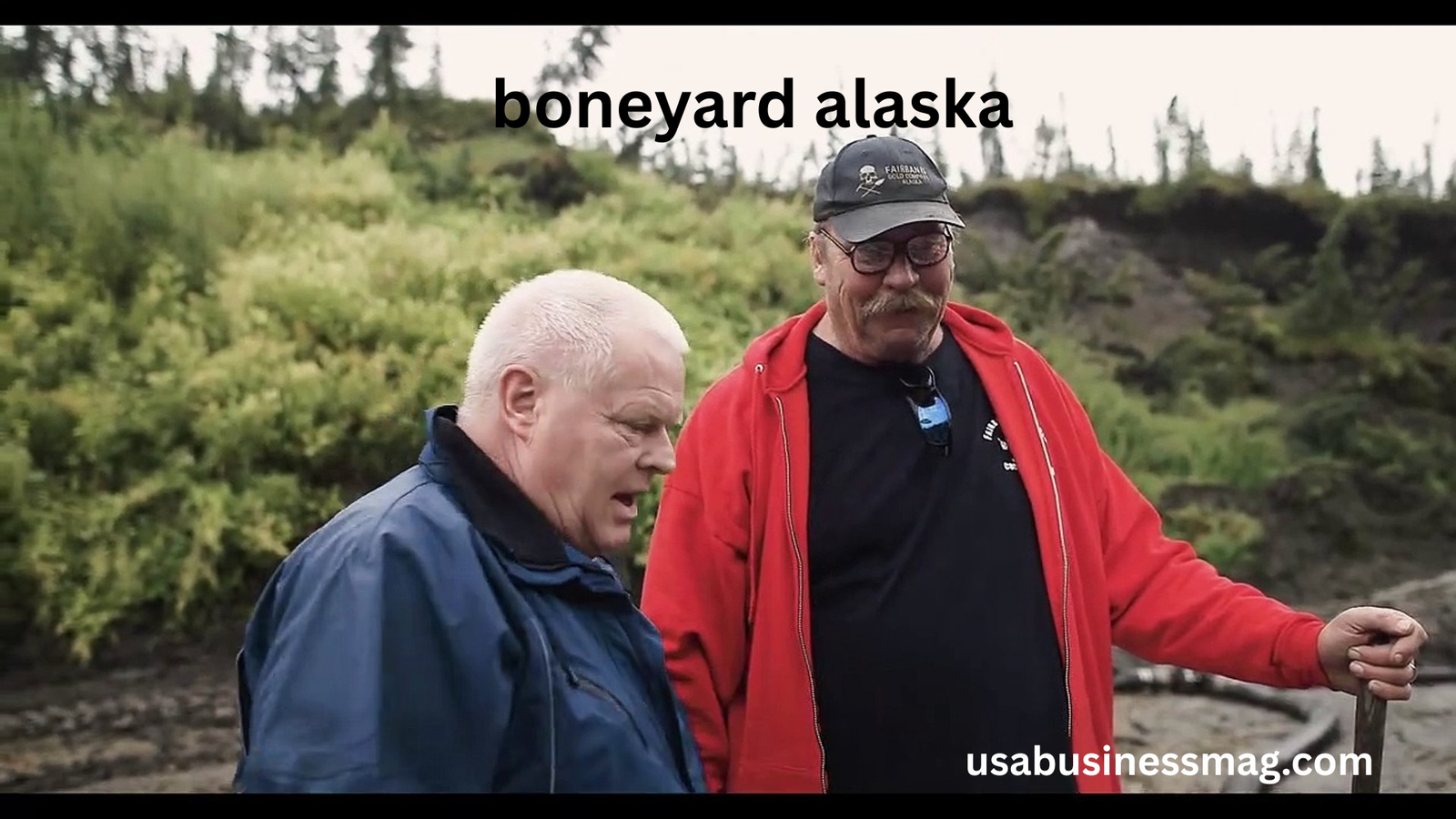
Boneyard Alaska evokes imagery of isolation, raw wilderness, and remnants of human activity set against a vast northern environment. Unlike typical tourist destinations, this location is defined less by comfort and more by atmosphere. It represents a meeting point between nature’s endurance and the traces left behind by people who once passed through. The land feels quiet but not empty, carrying stories embedded in soil, metal, and weathered remains.
The appeal of boneyard alaska lies in its authenticity. There are no polished attractions or guided paths, only an environment shaped by time and climate. Visitors drawn to such places often seek understanding rather than entertainment, finding meaning in silence and scale.
Geographic Setting and Terrain of Boneyard Alaska

The physical environment surrounding boneyard is defined by harsh conditions and dramatic contrasts. Long winters, brief summers, and extreme temperature shifts influence every aspect of the terrain. Permafrost lies beneath much of the surface, limiting vegetation growth and preserving remnants of past activity.
Open expanses stretch toward distant mountains, while low tundra plants cling close to the ground. Rivers carve slow paths through the land, freezing solid for months at a time. This geography contributes to the preservation and visibility of abandoned materials that define the character of boneyard alaska.
Climate Influence Shaping Boneyard Alaska
Climate plays a central role in shaping life and decay within boneyard alaska. Cold temperatures slow corrosion and decomposition, allowing objects to remain largely intact for decades. Snow and ice act as both protective layers and revealing forces, alternately hiding and exposing what lies beneath.
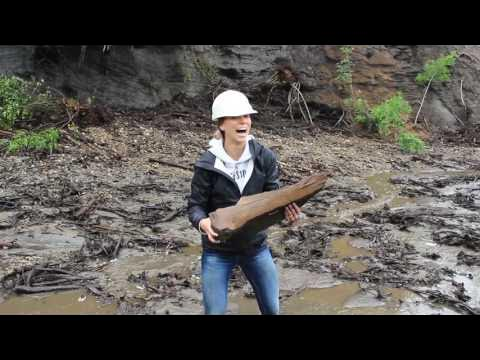
Seasonal light cycles also influence perception. Extended daylight in summer highlights details often hidden in shadow, while winter darkness reinforces isolation. These climatic extremes give boneyard its haunting, timeless quality.
Historical Background Associated With Boneyard Alaska
The origins of boneyard are closely tied to periods of exploration, industry, and military presence in remote northern regions. Equipment, vehicles, and structures were often left behind when projects ended or became unsustainable. Transportation costs and environmental challenges made removal impractical.
Over time, these remnants accumulated, forming informal graveyards of machinery and materials. Boneyard stands as a physical record of ambition meeting environmental reality, offering insight into historical decision-making in extreme conditions.
Industrial Footprints Visible in Boneyard Alaska
Abandoned industrial artifacts are among the most striking features of boneyard alaska. Rusting vehicles, aircraft parts, and mechanical components sit partially embedded in frozen ground. Their scale contrasts sharply with the surrounding emptiness.
These objects illustrate the logistical challenges of operating in remote regions. Each piece tells a story of transport, use, and eventual abandonment. Together, they form an unintended archive documenting industrial activity in Alaska’s demanding environment.
Military Connections and Boneyard Alaska
Military operations have also contributed to the landscape of boneyard . During periods of strategic expansion, equipment was deployed to remote areas with limited infrastructure. When priorities shifted, much of this material remain
The remains serve as reminders of geopolitical strategies shaped by geography. In boneyard , military history is not confined to museums but rests openly within the land itself
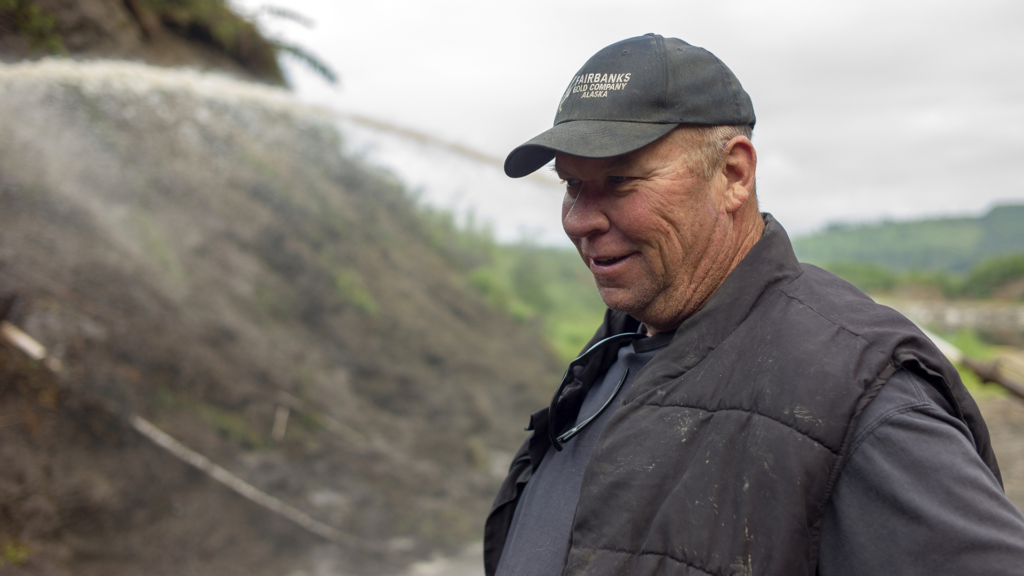
Environmental Interaction Within Boneyard Alaska
Nature gradually reclaims everything left behind in boneyard . Moss grows over metal surfaces, and wildlife moves through spaces once occupied by people. This interaction highlights nature’s persistence and adaptability.
Despite the presence of debris, ecosystems continue functioning. Birds nest near structures, and animals navigate around obstacles. Boneyard alaska demonstrates coexistence between natural processes and human remnants.
Wildlife Presence Around Boneyard Alaska
Wildlife inhabiting areas near boneyard includes species adapted to cold and scarcity. Caribou, foxes, and birds are commonly observed, particularly during warmer months.
These animals interact cautiously with unfamiliar shapes in their environment. Over time, abandoned objects become part of the landscape rather than intrusions. Wildlife behavior around boneyard reflects adaptability and resilience.
Cultural Interpretations of Boneyard Alaska
Different observers interpret boneyard in varying ways. Some view it as a cautionary symbol of waste and environmental impact. Others see it as historical evidence deserving preservation.
For local communities, such places may hold complex meanings tied to employment, development, or loss. Boneyard alaska exists not only as a physical location but also as a cultural reference point shaped by perspective.

Ethical Questions Raised by Boneyard Alaska
The presence of abandoned materials raises ethical questions about responsibility and stewardship. Should these sites be cleaned, preserved, or left untouched? Boneyard forces consideration of long-term consequences when operating in fragile environments
These debates extend beyond , reflecting global concerns about sustainability and accountability. Boneyard alaska provides a tangible case study for such discussions.
Accessibility Challenges Related to Boneyard Alaska
Reaching boneyard is difficult due to remoteness and limited infrastructure. Access often requires specialized transportation and careful planning. Weather conditions can change rapidly, increasing risk.
This inaccessibility contributes to preservation by limiting human impact. It also reinforces the sense of isolation that defines boneyard as an experience rather than a destination
Visual Impact and Atmosphere of Boneyard Alaska
The visual landscape of boneyard is striking. Stark contrasts between rusted metal and white snow create powerful imagery. Wide horizons emphasize scale and solitude.
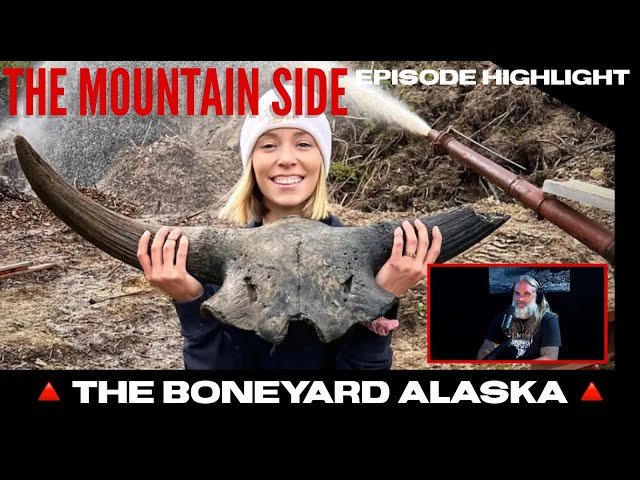
Photographers and documentarians are often drawn to this atmosphere. Images from boneyard alaska convey themes of abandonment, endurance, and time’s passage without words.
Artistic Inspiration Drawn From Boneyard Alaska
Artists and writers frequently find inspiration in boneyard The site offers metaphorical richness, representing forgotten ambition and nature’s quiet dominance.
Creative interpretations transform physical remnants into symbolic narratives. Through art, boneyard reaches audiences far beyond its geographic boundaries.
Preservation Versus Removal in Boneyard Alaska
Decisions regarding preservation or removal remain complex. Removing materials can reduce environmental risk but may erase historical context. Preserving them risks continued contamination or degradation.
Boneyard alaska exists at this intersection, challenging policymakers and communities to balance history, ecology, and responsibility.
Educational Value of Boneyard Alaska
As an open-air archive, boneyard offers educational opportunities. It provides insight into engineering limits, environmental conditions, and historical logistics.
Students of history, environmental science, and policy can learn by observing how decisions manifest physically over time. Boneyard teaches lessons not found in textbooks.
Media Representation of Boneyard Alaska
Media portrayals often emphasize mystery and desolation. Documentaries and articles frame boneyard as both haunting and informative.

Such representations shape public perception, sometimes romanticizing abandonment while overlooking practical realities. Balanced narratives help contextualize boneyard alaska responsibly.
Tourism Considerations and Boneyard Alaska
Although not a conventional tourist site, interest in boneyard continues to grow. Adventure travelers and researchers may seek firsthand experience.
Unregulated visitation could threaten fragile ecosystems. Responsible discussion of boneyard emphasizes respect and caution rather than promotion.
Environmental Risks Associated With Boneyard Alaska
Potential environmental risks include fuel residue, chemical leakage, and structural collapse. Cold temperatures slow spread but do not eliminate danger.
Monitoring and assessment are essential to understanding long-term impact. Boneyard highlights the need for proactive environmental management.

Local Perspectives on Boneyard Alaska
Local residents often view boneyard pragmatically. For some, it represents economic history; for others, a reminder of external influence.
Listening to these perspectives is crucial when discussing future actions. Boneyard holds different meanings depending on lived experience.
Symbolism and Meaning of Boneyard Alaska
Symbolically, boneyard represents humanity’s attempt to impose control on unforgiving landscapes. It reflects ambition, adaptation, and limitation.
The site invites reflection on progress and consequence. Boneyard stands as a silent witness to both effort and restraint.
Conclusion: Reflecting on the Significance of Boneyard Alaska
Boneyard alaska is more than a collection of abandoned objects. It is a layered landscape shaped by history, climate, and human choice. Its value lies in what it reveals about interaction between people and extreme environments.
By observing boneyard thoughtfully, we gain insight into responsibility, resilience, and the lasting imprint of decisions. It remains a powerful reminder that even in the most remote places, actions echo across time.
