


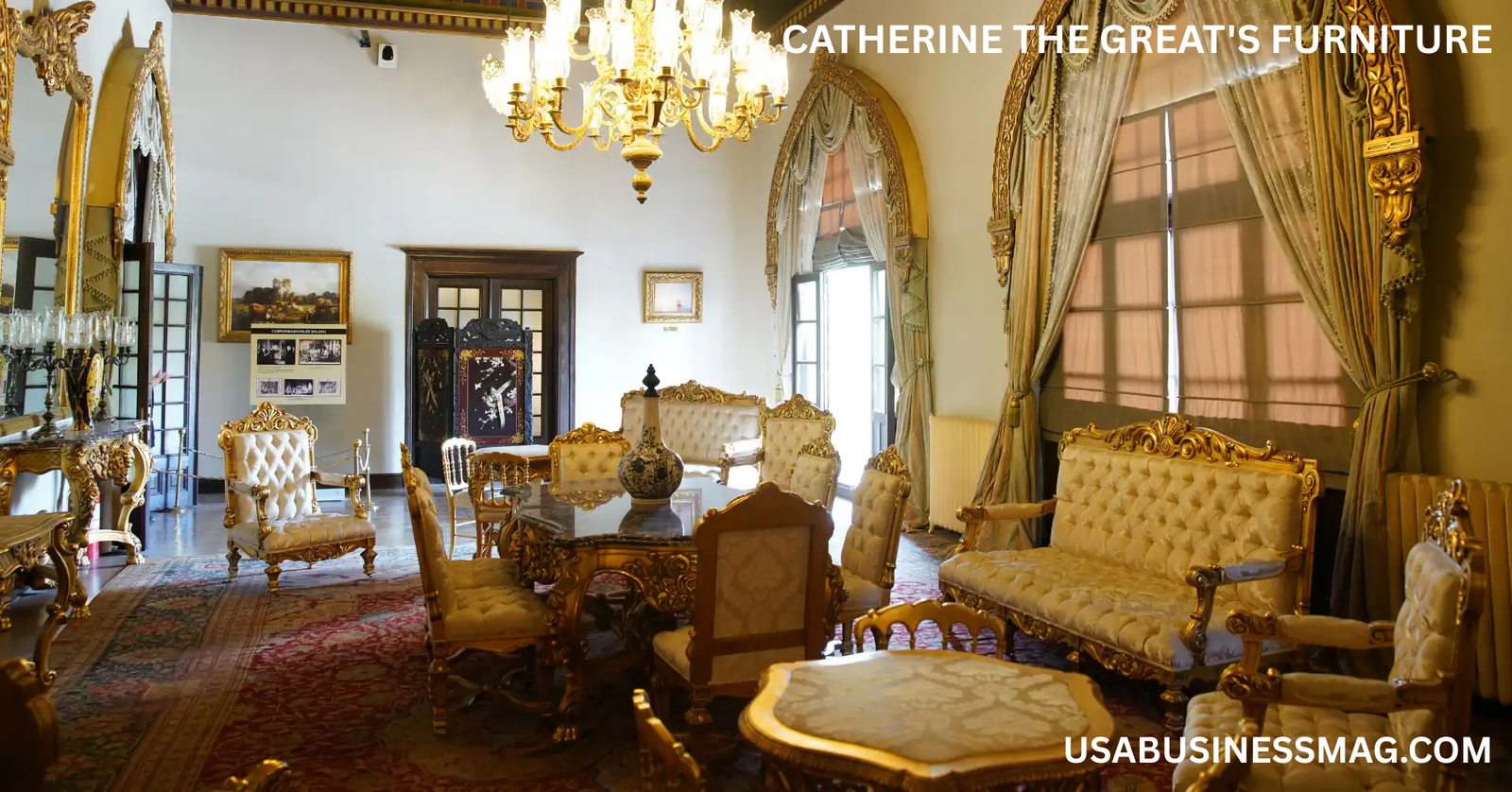
Few historical figures have left behind a cultural legacy as rich and complex as Catherine II of Russia, commonly known as Catherine the Great. Her reign marked a period of immense political ambition, artistic growth, and intellectual curiosity. Among the many symbols of her authority and taste, catherine the great’s furniture stands out as a remarkable reflection of power, refinement, and European influence. These furnishings were not merely decorative objects but statements of imperial identity and cultural aspiration.
Catherine understood the importance of visual representation in reinforcing authority. Furniture within her palaces served political, social, and artistic purposes, blending comfort with grandeur. Through carefully curated interiors, Catherine projected an image of Russia as a sophisticated and enlightened empire.
Historical Context Behind Catherine the Great’s Furniture
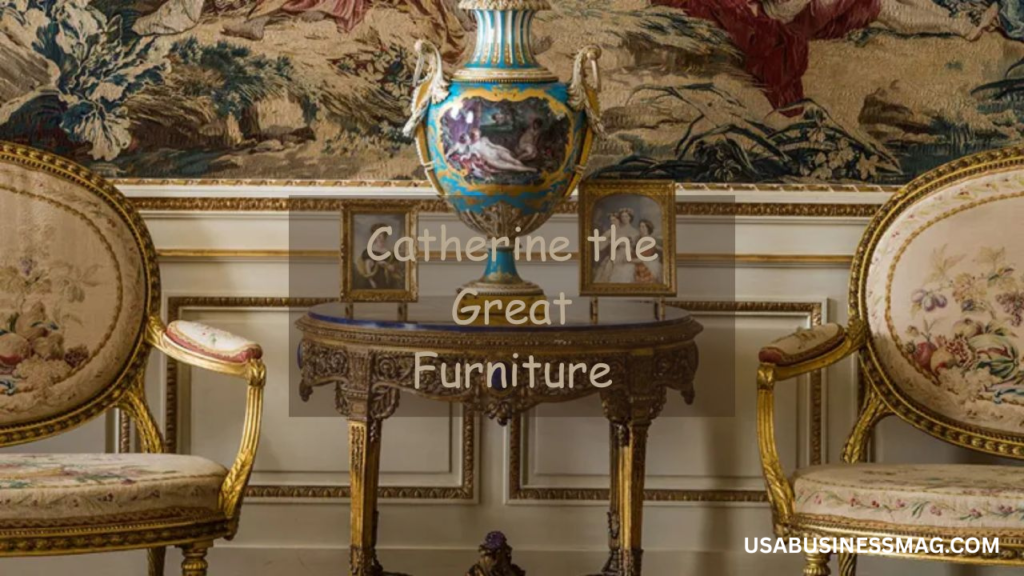
To understand catherine thefurniture, it is essential to consider the historical environment in which it was created. Catherine ruled Russia from 1762 to 1796 during the Age of Enlightenment, a time when European monarchs embraced art and philosophy to legitimize power.
Russia, traditionally seen as culturally distant from Western Europe, underwent rapid transformation under Catherine’s rule. Furniture became a tool of cultural alignment, reflecting European tastes while maintaining Russian imperial identity. The interiors of royal residences symbolized Russia’s place among leading European powers.
European Influence on Catherine the Great’s Furniture
European styles played a major role in shaping catherine great’s furniture. French Neoclassicism, Italian craftsmanship, and German decorative traditions all influenced palace interiors. Catherine admired French culture deeply and corresponded with prominent philosophers, which influenced her artistic preferences.
Imported furniture and foreign artisans worked alongside Russian craftsmen to produce pieces that reflected harmony, symmetry, and elegance. These influences signaled Russia’s intellectual and cultural openness to Europe.
Catherine the Great’s Furniture and Neoclassical Style
Neoclassicism became a defining aesthetic of catherine great’s furniture. Inspired by ancient Greece and Rome, this style emphasized balance, proportion, and restrained ornamentation. Furniture designs often featured clean lines, classical motifs, and architectural forms.
This stylistic choice aligned with Enlightenment ideals of reason and order. Neoclassical furniture reinforced Catherine’s image as a rational and enlightened ruler rather than a purely autocratic monarch.
Materials Used in Catherine the Great’s Furniture
The materials used in catherine great’s furniture reflected both luxury and durability. Fine woods such as mahogany, walnut, and oak were commonly used, often combined with gilded bronze, marble, and silk upholstery.
These materials symbolized wealth and authority while ensuring longevity. Furniture was designed to last generations, reinforcing the permanence of imperial power and cultural achievement.
Craftsmanship Behind Catherine the Great’s Furniture
Exceptional craftsmanship defined catherine great’s furniture. Skilled artisans, both local and foreign, produced intricate carvings, inlays, and finishes. Attention to detail was paramount, as each piece had to meet imperial standards.
Russian craftsmen gained exposure to European techniques, leading to the development of a unique hybrid style. This blend of influences elevated Russia’s reputation in decorative arts.
Catherine the Great’s Furniture as Political Symbolism
Beyond aesthetics, catherine great’s furniture carried political meaning. Throne chairs, writing desks, and ceremonial seating arrangements reinforced hierarchy and authority. Placement within palace rooms was carefully planned to reflect power dynamics.
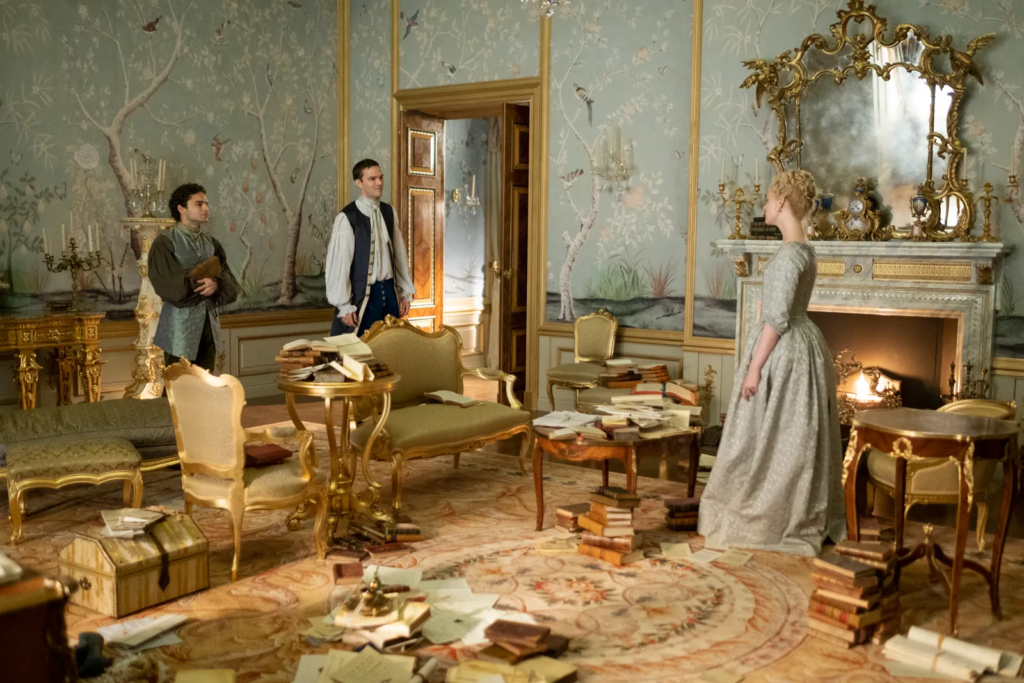
Furniture became a silent language of rule, communicating dominance, order, and legitimacy. Even subtle design choices contributed to the narrative of imperial control.
Catherine the Great’s Furniture in the Winter Palace
The Winter Palace remains one of the most iconic settings for catherine great’s furniture. This vast residence housed lavish rooms furnished to impress foreign diplomats and Russian nobility alike.
Furniture within the palace combined comfort with spectacle. Grand halls featured ornate seating and tables designed for ceremonies, while private chambers reflected refined personal taste.
Catherine the Great’s Furniture in Private Chambers
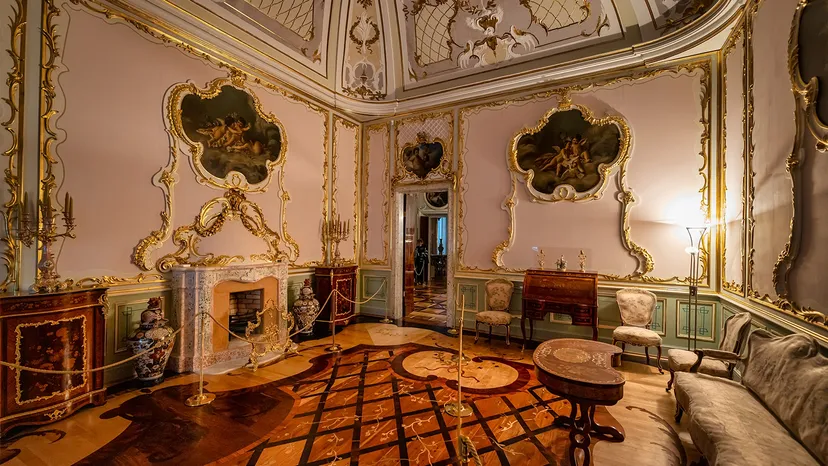
While public rooms showcased grandeur, catherine great’s furniture in private chambers emphasized comfort and intellect. Writing desks, bookcases, and upholstered chairs reflected her love for reading and correspondence.
These spaces reveal a more personal side of Catherine, balancing power with introspection. Furniture here served practical needs while maintaining elegance.
Catherine the Great’s Furniture and Social Life
Social gatherings played an important role during Cathe rine’s reign, and cather ine great’s furniture supported this vibrant court life. Dining tables, salon seating, and entertainment rooms were designed for interaction and discussion.
Furniture arrangements encouraged conversation, aligning with Enlightenment values of dialogue and intellectual exchange. Court life became a space for both politics and culture.
Imported Artisans and Catherine the Great’s Furniture
Foreign artisans significantly influenced catherine the great’s . Catherine invited European designers and craftsmen to work in Russia, fostering knowledge exchange.
These artisans introduced advanced techniques and stylistic trends, helping elevate Russian decorative arts. Their collaboration with local craftsmen strengthened artistic innovation.
Catherine the Great’s Furniture and Russian Identity
Despite European influences, catherine
great’s furniture retained a distinct Russian identity. Traditional motifs and materials were subtly integrated, ensuring cultural continuity.
This balance reflected Catherine’s political strategy: modernization without erasing national character. Furniture became a metaphor for Russia’s evolving identity.
Catherine the Great’s Furniture and Gendered Power
As a female ruler, Catherine used catherine the great’s furniture to assert authority in a male-dominated political landscape. Furniture choices reinforced strength and legitimacy rather than softness or ornamentation alone.
Her interiors projected confidence, intellect, and command. This visual authority helped solidify her position as an undisputed ruler.
Catherine the Great’s Furniture and Enlightenment Values
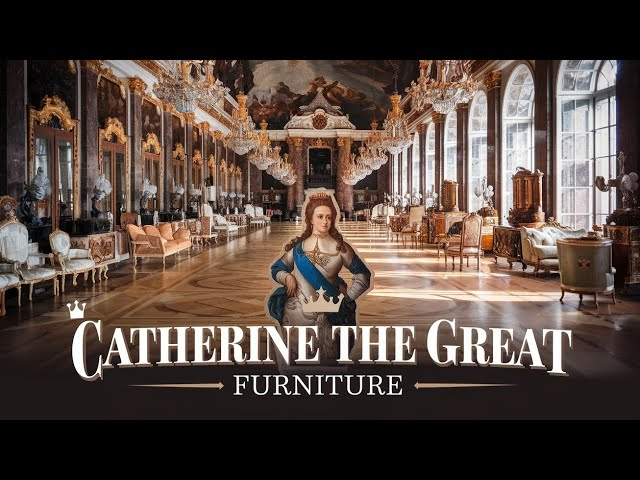
Enlightenment principles deeply influenced catherine the great’s furniture. Simplicity, logic, and harmony were favored over excessive ornamentation.
Furniture design reflected intellectual clarity and progress, reinforcing Catherine’s reputation as an enlightened monarch committed to reform and education.
Catherine the Great’s Furniture and Artistic Patronage
Catherine’s patronage of the arts extended beyond painting and sculpture to catherine the great’s furniture. Commissioning furniture supported local industries and artistic growth.
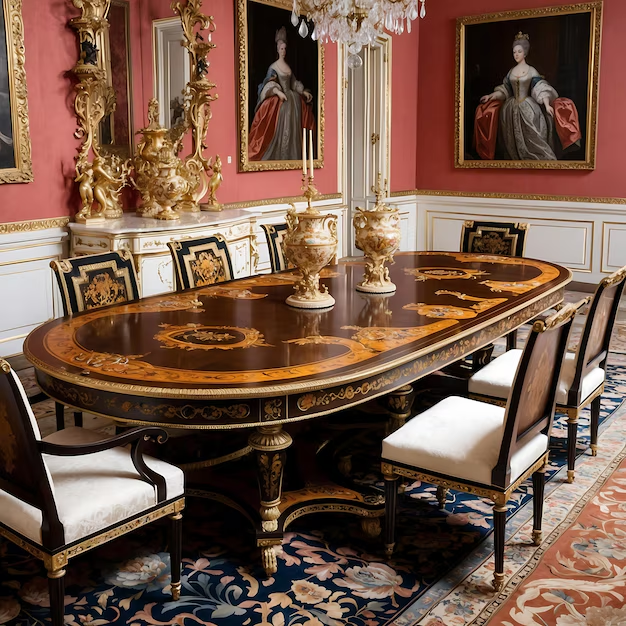
This patronage strengthened Russia’s cultural institutions and encouraged innovation. Furniture became an extension of artistic policy.
Catherine the Great’s Furniture in Ceremonial Spaces
Ceremonial spaces featured the most elaborate examples of catherine the great’s furniture. Thrones, benches, and tables were designed to impress and intimidate.
These pieces symbolized continuity of rule and state power. Their design reinforced ritual and authority during official events.
Catherine the Great’s Furniture and Daily Life
Despite its grandeur, catherine the great’s furniture was functional. Catherine valued efficiency and comfort, ensuring that furniture supported daily activities.
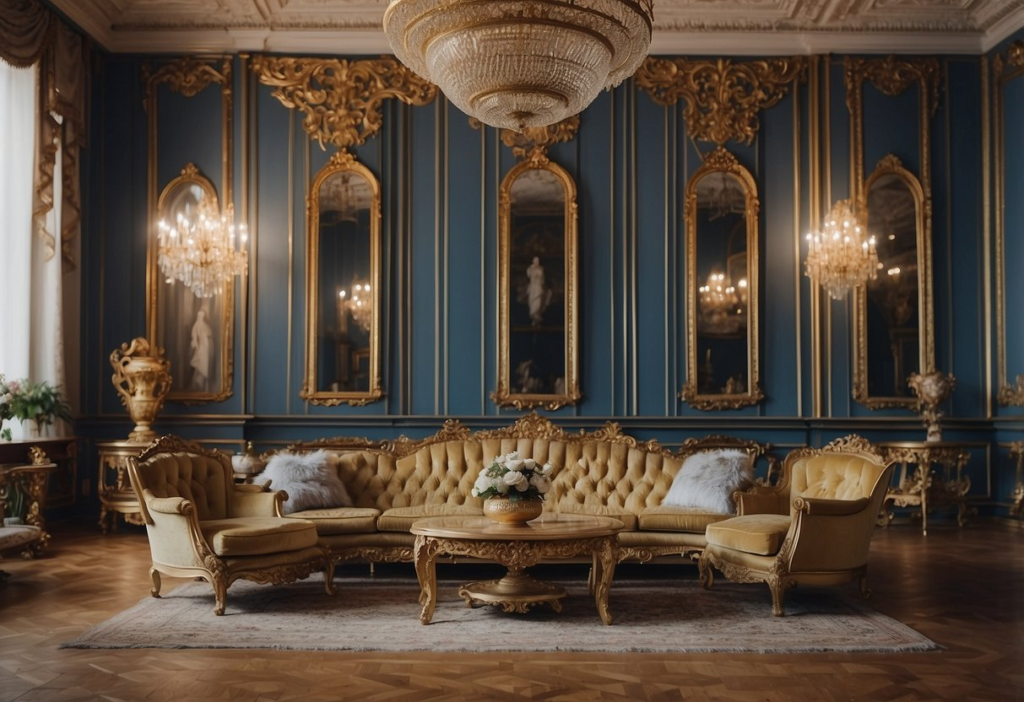
This balance between luxury and practicality reflected her pragmatic leadership style. Even lavish pieces served a purpose.
Catherine the Great’s Furniture Preservation Today
Many examples of catherine the great’s furniture are preserved in museums and palaces today. Conservation efforts protect these historical artifacts for future generations.
These preserved pieces provide valuable insight into eighteenth-century craftsmanship and imperial life.
Catherine the Great’s Furniture and Modern Scholarship
Historians and art scholars study catherine the great’s furniture to better understand cultural and political history. Furniture offers tangible evidence of values, priorities, and aesthetics.
This scholarship continues to shape interpretations of Catherine’s reign and influence.
Catherine the Great’s Furniture and Cultural Legacy
The legacy of catherine the great’s furniture extends beyond museums. Its influence can be seen in modern interpretations of classical design and historical restoration projects.
These furnishings remain symbols of artstic achievement and imperial ambition.
Catherine the Great’s Furniture as Historical Narrative
Each piece of catherine the great’s furniture tells a story about power, taste, and identity. Together, they form a visual narrative of an era defined by transformation and ambition.
Furniture becomes a historical document, offering insight into the values of a remarkable ruler.
Conclusion on Catherine the Great’s Furniture
Catherine the Great’s reign reshaped Russia politically and culturally, and catherine the great’s furniture stands as a lasting testament to her vision. These furnishings combined European elegance with Russian strength, reflecting Enlightenment ideals and imperial authority.
Through craftsmanship, design, and symbolism, Catherine used furniture to communicate power, intellect, and cultural aspiration. Today, these pieces continue to captivate historians and admirers alike, preserving the legacy of one of history’s most influential rulers.
