


Geometry spot games represent a shift in how learners engage with mathematical concepts. Instead of relying solely on textbooks and lectures, these games introduce geometry through interaction, experimentation, and visual problem-solving. As education increasingly blends with technology, geometry spot games have emerged as tools that combine entertainment with structured learning.
The evolution of educational play reflects changing attitudes toward learning. Students are no longer passive recipients of information but active participants in the learning process. Geometry games encourage exploration and curiosity, allowing players to understand shapes, space, and logic in a dynamic environment that feels approachable rather than intimidating.
Geometry Spot Games as Tools for Conceptual Understanding
One of the primary strengths of geometry spot games is their ability to support conceptual understanding. Geometry often involves abstract ideas that can be difficult to grasp through words alone. Interactive games transform these ideas into visual and spatial experiences.
By manipulating shapes and observing outcomes, players develop intuition about angles, symmetry, and relationships between objects. Geometry games reduce reliance on memorization and instead promote comprehension through discovery. This approach helps learners retain information longer and apply it more effectively.
Geometry Spot Games and Spatial Reasoning Development
Spatial reasoning is a foundational skill supported by geometry spot These games require players to visualize movement, rotation, and transformation, strengthening their ability to think in multiple dimensions. Such skills are valuable not only in mathematics but also in fields like engineering, design, and architecture.
Through repeated engagement, geometry spot help learners recognize patterns and predict outcomes. This mental exercise sharpens spatial awareness and improves confidence when working with complex visual information.
Geometry Spot Games in Digital Learning Environments
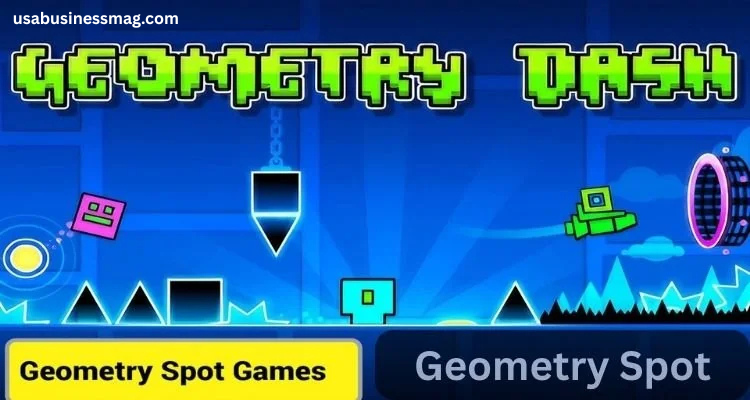
Digital platforms have played a significant role in expanding access to geometry spot Online tools and applications allow learners to engage with geometric challenges anytime and anywhere. This accessibility supports both formal education and independent exploration.
Many digital geometry spot include adaptive features that respond to player performance. As difficulty adjusts automatically, learners remain challenged without becoming overwhelmed. This adaptability enhances engagement and supports personalized learning experiences.
Geometry Spot Games and Classroom Integration
Teachers increasingly incorporate geometry spot into classroom instruction as supplementary resources. These games can be used to introduce new topics, reinforce lessons, or assess understanding informally. Their interactive nature encourages participation from students with varying learning styles.
In collaborative classroom settings, geometry games promote discussion and teamwork. Students explain reasoning, share strategies, and learn from peers. This social interaction enhances understanding while fostering communication skills.
Geometry Spot Games for Independent Learners
Outside the classroom, geometry spot support self-directed learning. Learners can progress at their own pace, revisiting challenges as needed. This flexibility is especially beneficial for individuals who require more time to master concepts.

Independent engagement with geometry games builds confidence. As players overcome challenges through persistence, they develop a positive relationship with mathematics. This autonomy encourages curiosity and lifelong learning habits.
Geometry Spot Games and Visual Learning Preferences
Visual learners often find geometry spot particularly effective. These games rely heavily on graphics, movement, and spatial representation, aligning well with visual processing strengths. Abstract concepts become tangible through diagrams and animations.
Color, shape, and motion guide attention and reinforce understanding. Geometry games transform static ideas into dynamic experiences, making learning more intuitive for those who benefit from visual cues.
Geometry Spot Games and Problem-Solving Skills
Problem-solving lies at the heart of geometry games. Each challenge presents a puzzle that requires analysis, experimentation, and logical reasoning. Players learn to break problems into smaller components and test solutions systematically.
This structured problem-solving approach mirrors real-world thinking.y spot games encourage perseverance and adaptability, teaching players to refine strategies rather than give up when faced with difficulty.
Geometry Spot Games and Motivation in Learning
Motivation is a key factor in successful learning, and geometry spot use game elements to maintain interest. Points, levels, and achievements provide immediate feedback and a sense of progress. These rewards reinforce effort and encourage continued engagement.
The enjoyment associated with gameplay reduces anxiety often linked to mathematics. Geometry games help reframe learning as an enjoyable challenge rather than an obligation, increasing motivation and confidence.
Geometry Spot Games and Cognitive Engagement
Cognitive engagement is enhanced when learners actively participate, and spot games excel in this area. Players must focus, plan, and evaluate outcomes continuously. This mental involvement deepens understanding and sharpens attention.
Unlike passive learning methods, geometry spot require sustained interaction. This engagement supports higher-order thinking skills, including analysis and synthesis, which are essential for academic success.
Geometry Spot Games and Adaptability for Different Skill Levels
Effective geometry spot games are designed to accommodate a wide range of skill levels. Beginners can start with simple challenges, while advanced players encounter complex problems that require deeper reasoning.
This scalability ensures that learners are neither bored nor overwhelmed. spot games provide a supportive learning environment where progress feels achievable and meaningful.
Geometry Spot Games and Technology Integration
Technology enhances the effectiveness of geometry spot by enabling interactivity and feedback. Touch interfaces, animations, and real-time responses create immersive experiences that traditional methods cannot replicate.
Technology also allows for data collection, helping educators track progress and identify areas for improvement. Geometry spot benefit from this integration by aligning gameplay with measurable learning outcomes.
Geometry Spot Games and Educational Equity
Accessibility is an important consideration in educational tools, and geometry spot can support equity when designed thoughtfully. Simple interfaces and clear instructions reduce barriers for diverse learners.
When made available across devices and platforms, geometry spot games offer opportunities to learners regardless of location. This inclusivity supports broader participation and equal access to quality learning resources.
Geometry Spot Games and Parental Support
Parents often use geometry spot as supplemental learning tools at home. These games provide structured practice without requiring extensive mathematical knowledge from caregivers.
Shared gameplay can strengthen parent-child interaction and create positive learning experiences. Geometry spot games offer a constructive way for families to engage with educational content together.
Geo metry Spot Games and Modern Educational Trends
The rise of geometry games aligns with broader trends in education, including gamification and personalized learning. These approaches recognize that engagement and relevance are crucial for effective education.
By combining structure with flexibility, geometry games fit naturally into modern learning models. They demonstrate how technology can enhance understanding rather than distract from it.
Geometry Spot Games and Assessment Opportunities
Assessment within geometry spot games often occurs informally through performance tracking. Completion rates, accuracy, and time spent provide insights into learner progress.
These metrics allow educators to evaluate understanding without formal testing. Geometry spot games thus offer alternative ways to assess learning while maintaining engagement.
Geometry Spot Games and Potential Challenges
Despite their benefits, geometry spot games are not without limitations. Overuse may reduce exposure to traditional problem formats. Balance is necessary to ensure comprehensive skill development.
Access to devices and reliable technology can also pose challenges. Geometry spot games are most effective when used as part of a broader learning strategy rather than a standalone solution.
Geometry Spot Games and Future Possibilities
Future developments may expand the capabilities of geometry spot games through adaptive algorithms and immersive environments. These innovations could further personalize learning and deepen engagement.
As research in educational technology advances, geometry spot games are likely to evolve. Continuous improvement will help them remain effective and relevant for future learners.
Conclusion: The Educational Value of Geometry Spot Games
Geometry spot games offer a compelling approach to learning by combining interaction, visualization, and problem-solving. They make geometric concepts accessible and engaging while supporting cognitive development and motivation.
When used thoughtfully, geometry spot games complement traditional education and independent learning. Their ability to adapt, motivate, and educate ensures they remain valuable tools in modern learning environments.
