


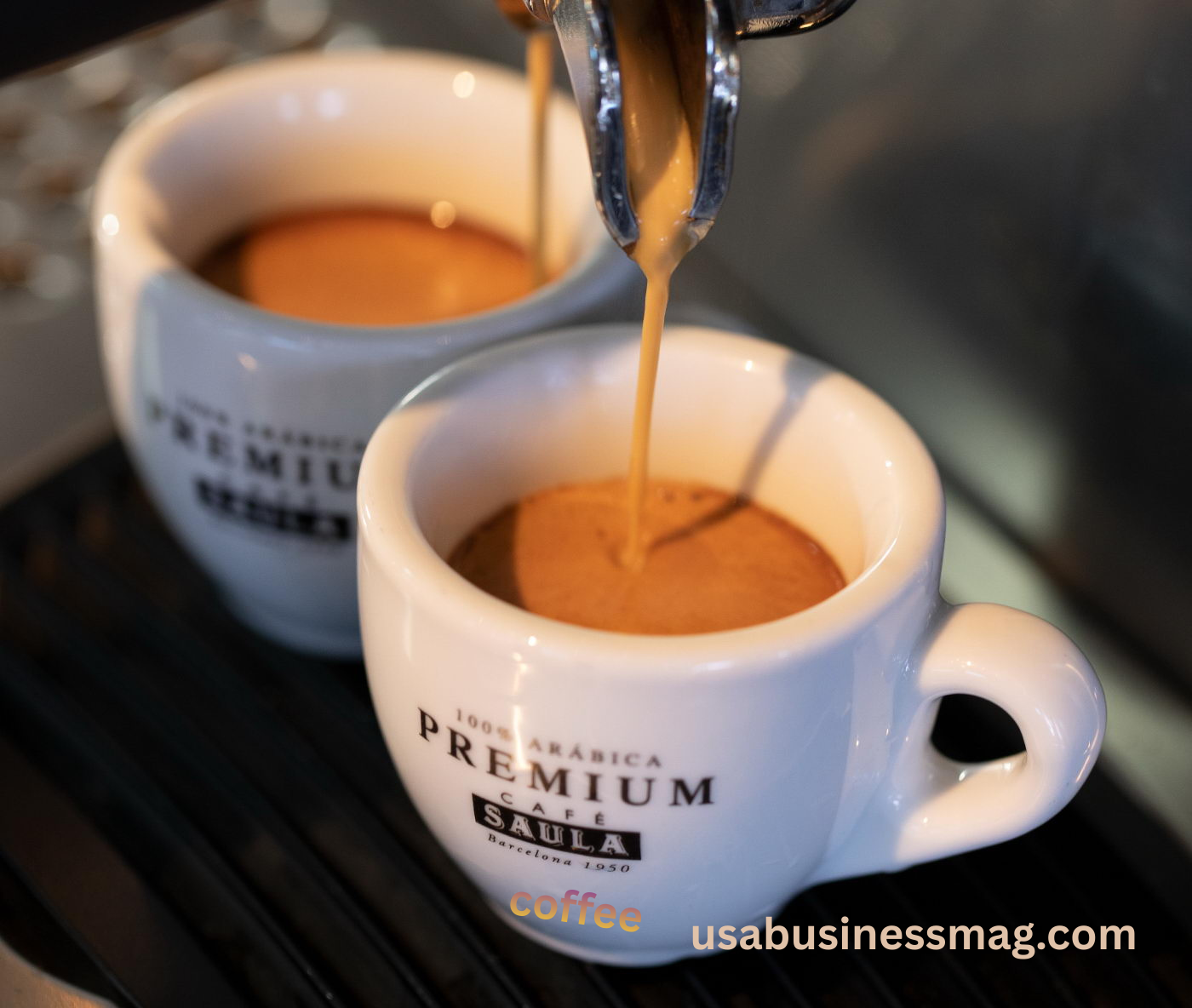
The global appreciation for premium coffee has grown significantly over the past decade. What was once considered a simple daily beverage has evolved into a refined experience shaped by origin, craftsmanship, and personal taste. Coffee lovers today are no longer satisfied with mass-produced blends alone; instead, they seek depth of flavor, ethical sourcing, and consistent quality.
This shift has transformed coffee from a routine habit into a lifestyle choice. coffee represents more than caffeine—it reflects values such as sustainability, skill, and attention to detail. Understanding what makes coffee “premium” helps consumers make informed choices and enjoy each cup with greater appreciation.
Premium Coffee Defined Beyond Price and Packaging
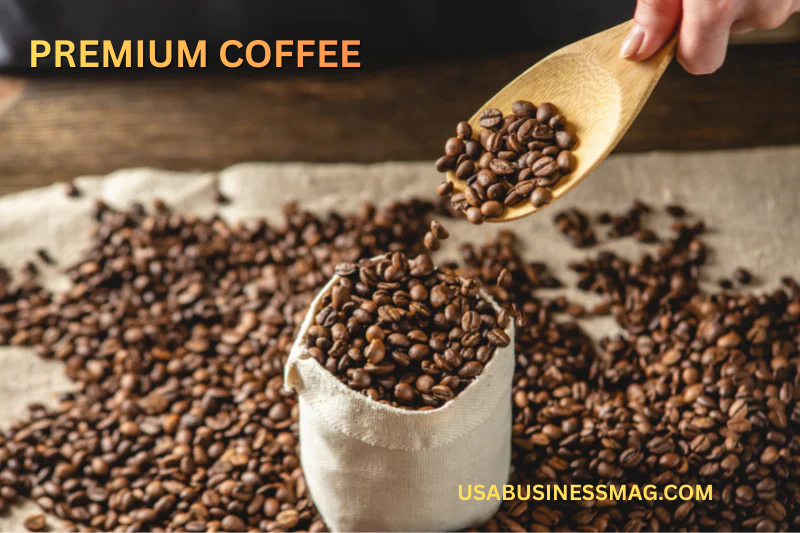
Many people assume coffee simply means higher cost or luxury packaging, but the reality is more nuanced. While price can reflect quality, true premium coffee is defined by factors such as bean origin, growing conditions, harvesting methods, and roasting expertise.
coffee typically comes from carefully selected farms where climate, altitude, and soil contribute to distinctive flavor profiles. These beans are harvested at peak ripeness and processed using methods that preserve their natural characteristics. Quality control at every stage ensures consistency and excellence.
In essence, premium coffee is the result of intentional decisions rather than mass production.
Premium Coffee and the Importance of Bean Origin
One of the defining characteristics of coffee is its traceable origin. Coffee-growing regions such as Ethiopia, Colombia, Brazil, and Costa Rica are known for producing beans with unique flavor notes influenced by geography and climate.
Single-origin premium coffee allows drinkers to experience the natural taste of a specific region rather than a blended average. Altitude affects acidity, rainfall influences sweetness, and soil composition contributes to complexity.
Knowing where coffee comes from adds depth to the drinking experience and highlights the global nature of coffee culture.
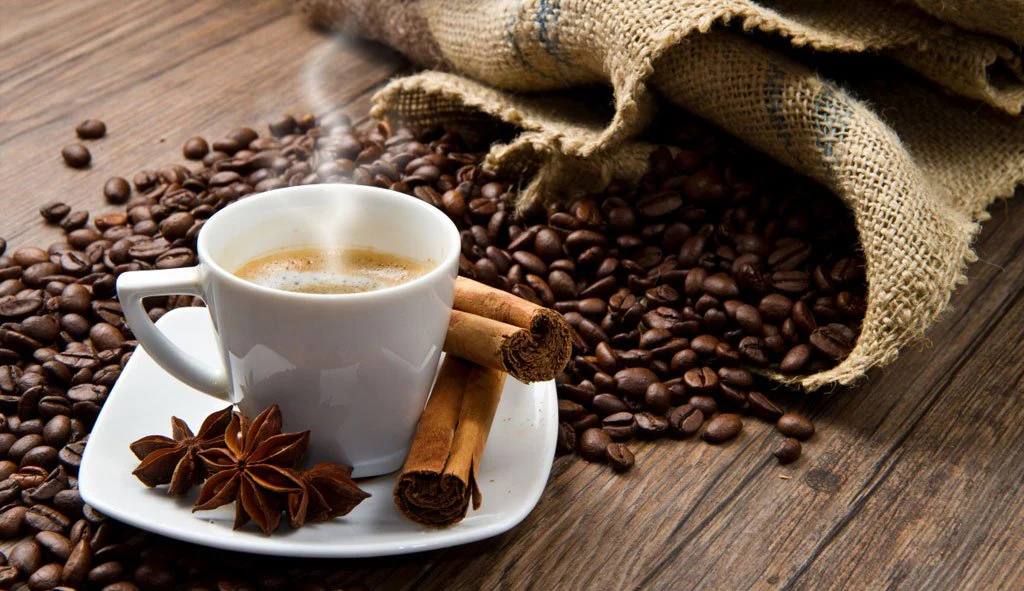
Premium Coffee and Ethical Sourcing Practices
Ethical sourcing plays a major role in the identity of coffee. Many high-quality coffee brands prioritize fair trade practices, ensuring farmers are paid fairly for their labor and crops.
Sustainable farming methods protect the environment while maintaining soil health for future harvests. Shade-grown coffee, water conservation, and reduced chemical use are common practices among producers.
Consumers increasingly value transparency, and coffee brands often provide information about their sourcing practices, strengthening trust and long-term sustainability.
Premium Coffee and the Art of Roasting
Roasting is where coffee truly comes to life. Even the best beans can lose their potential if roasted improperly. Skilled roasters understand how heat, time, and technique influence flavor development.
Light roasts often highlight acidity and origin-specific notes, while medium roasts balance sweetness and body. Dark roasts emphasize boldness and depth but require precision to avoid bitterness.
coffee roasting focuses on enhancing natural characteristics rather than masking flaws, making roasting an essential craft rather than a mechanical process.
Premium Coffee and Flavor Profile Complexity
What sets coffee apart for many drinkers is flavor complexity. Instead of a flat or bitter taste, coffee can offer notes of fruit, chocolate, caramel, nuts, or floral undertones.
These flavors occur naturally and are influenced by origin, processing, and roast level. Tasting coffee is similar to tasting wine—subtle differences emerge as the palate develops.
This complexity encourages mindful consumption, turning a simple cup of coffee into a sensory experience.
Premium Coffee Brewing Methods and Their Impact
Brewing methods play a significant role in how premium coffee is experienced. Different techniques highlight different aspects of the same beans.
Pour-over methods emphasize clarity and nuance, while espresso concentrates intensity and body. French press brewing enhances richness, and cold brew offers smoothness with reduced acidity.
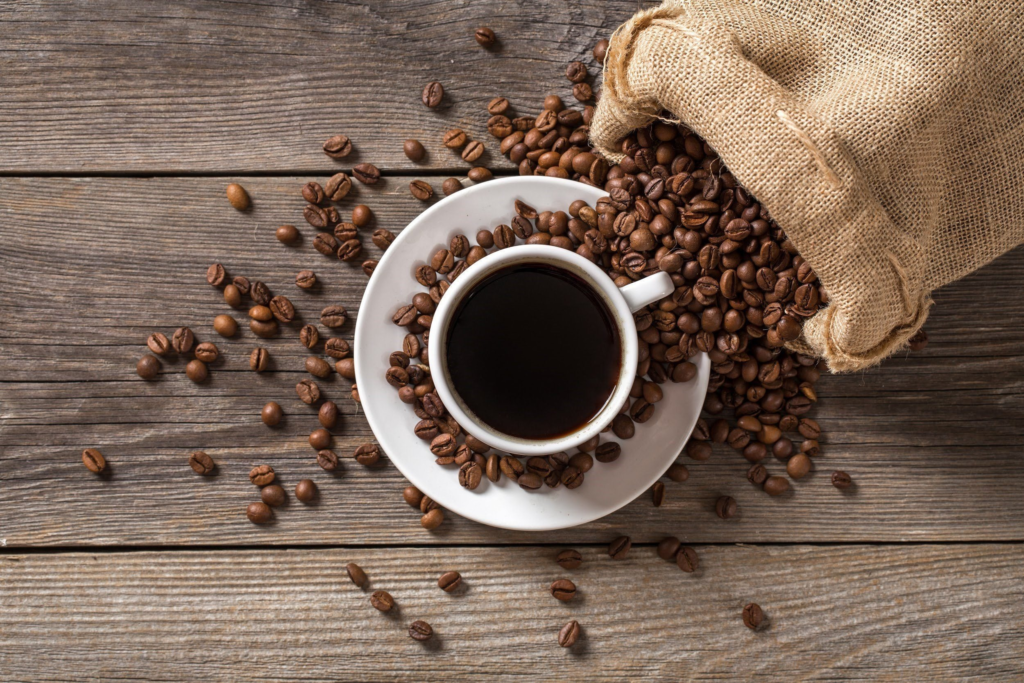
Using the right grind size, water temperature, and brew time ensures that coffee delivers its full potential. Even small adjustments can noticeably improve taste.
Premium Coffee and Freshness Standards
Freshness is essential when it comes to coffee. Coffee beans begin to lose flavor shortly after roasting, which is why many premium brands emphasize roast dates rather than expiration dates.
Grinding coffee just before brewing preserves aroma and flavor compounds. Proper storage—away from light, heat, and moisture—extends freshness and quality.
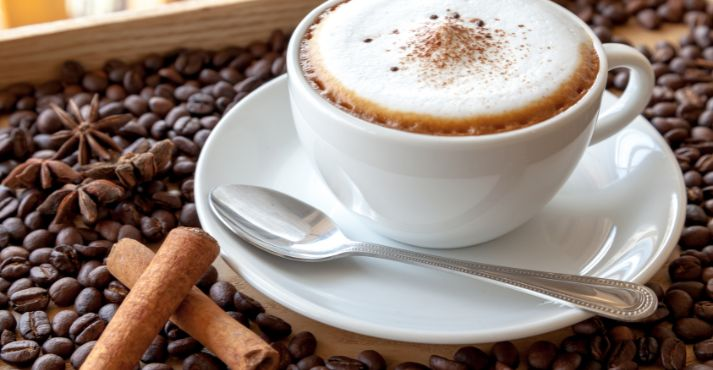
coffee is best enjoyed within weeks of roasting, making freshness a key differentiator from mass-produced alternatives.
Premium Coffee in Cafés and Specialty Shops
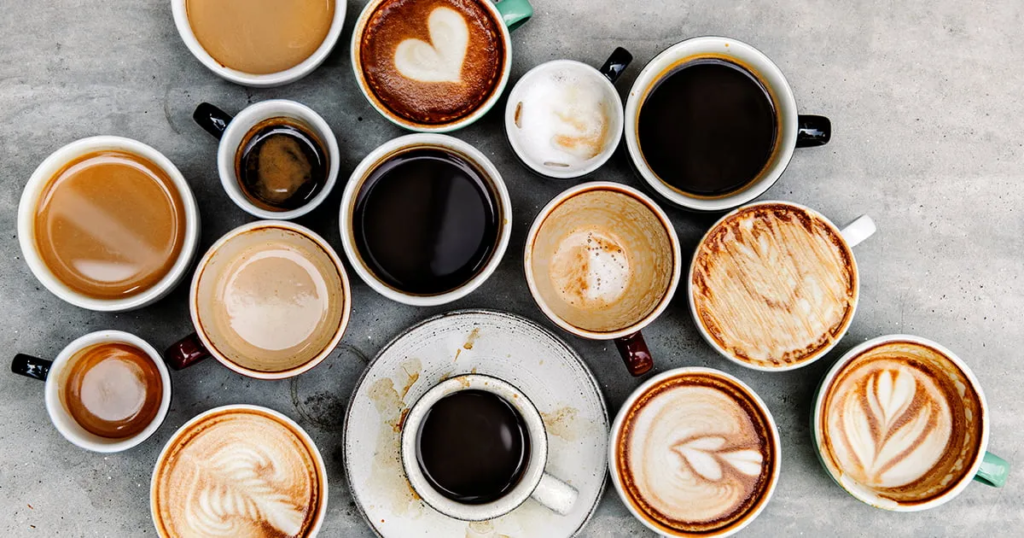
The rise of specialty cafés has played a major role in popularizing coffee. These spaces focus on education, quality, and craftsmanship rather than speed alone.
Baristas in specialty shops are often trained extensively, learning about extraction, milk texture, and flavor balance. This expertise ensures consistency and elevates customer experience.
Specialty cafés also serve as community hubs, reinforcing the cultural aspect ocoffee consumption.
Premium Coffee and Home Brewing Culture
Home brewing has become a central part of the coffee movement. Consumers increasingly invest in quality equipment such as grinders, scales, and manual brewers to replicate café-level results at home.
Online resources, tutorials, and coffee communities support this trend, making knowledge more accessible. Brewing premium coffee at home allows customization and experimentation.
This shift empowers coffee lovers to engage directly with the craft rather than relying solely on commercial preparation.
Premium Coffee and Health Considerations
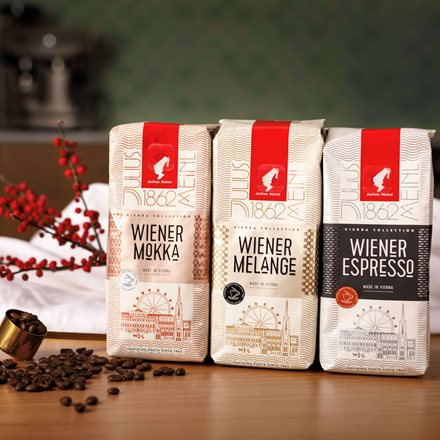
While moderation is key coffee can offer certain health benefits when consumed responsibly. High-quality beans contain antioxidants that support overall wellness.
coffee often avoids artificial additives and excessive processing, making it a cleaner option compared to heavily flavored or sweetened drinks. Lower acidity options can also be gentler on digestion.
Choosing quality over quantity encourages mindful consumption and a healthier relationship with coffee.
Premium Coffee and the Role of Processing Methods
Processing ethods significantly influence coffee flavor. Washed, natural, and honey-processed coffees each create distinct taste profiles.
Washed coffees tend to be clean and bright, natural coffees offer fruity sweetness, and honey processing balances clarity with richness. These methods require skill and careful timing.
Understanding processing helps consumers appreciate why coffee tastes the way it does and why it commands higher value.
Premium Coffee as a Lifestyle Choice
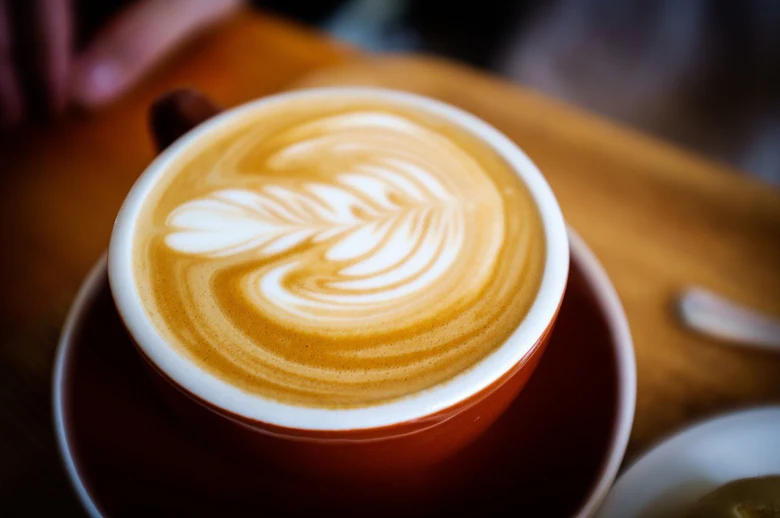
For many people,coffee represents a lifestyle rather than a luxury. It aligns with values such as craftsmanship, sustainability, and personal enjoyment.
Choosing coffee often reflects a desire to slow down, appreciate quality, and support ethical production. This mindset contrasts with disposable consumption habits.
As a result, coffee culture continues to grow across different age groups and regions.
Premium Coffee and Global Market Trends
The global market coffee continues to expand as consumer awareness increases. Demand for traceable, high-quality coffee has encouraged innovation and transparency.
Emerging markets are embracing specialty coffee, while traditional coffee regions invest in quality improvements. Technology also plays a role, helping farmers and roasters maintain consistency.
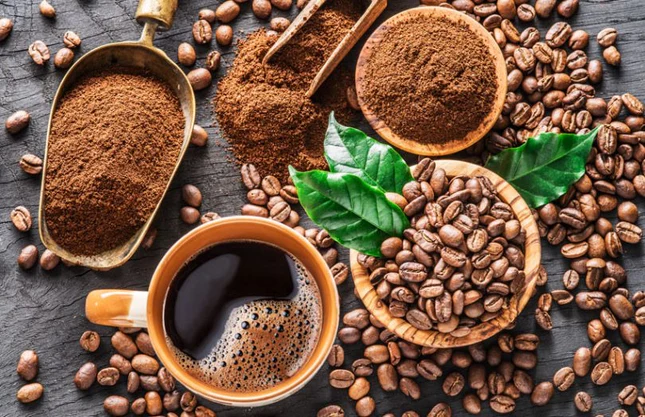
These trends suggest that premium coffee is not a passing trend but a lasting shift in consumer behavior.
Premium Coffee and Education for Consumers
Education is a cornerstone of the premium coffee movement. Brands, cafés, and online platforms invest in teaching consumers about origins, brewing, and tasting.
This knowledge empowers buyers to make informed decisions and appreciate subtle differences. Education also fosters respect for the labor behind each cup.
An informedonsumer base supports higher standards across the entire coffee industry.
Premium Coffee Compared to Commercial Coffee
Comparing premium coffee to commercial coffee highlights key differences in quality and intent. Commercial coffee prioritizes uniformity, shelf life, and volume, often at the expense of flavor.
Premium coffee prioritizes quality, transparency, and experience. While it may cost more, the value lies in taste, ethics, and craftsmanship.
This comparson helps consumers understand what they are paying for beyond the product itself.
Premium Coffee and Long-Term Sustainability
Sustainability is essential to the future of premium coffee. Climate change, labor challenges, and economic pressures threaten coffee production worldwide.
Premium coffee initiatives often invest in farmer education, environmental protection, and fair pricing models. These efforts help secure the future of coffee farming.

Supporting premium coffee contributes to a more resilient and ethical industry.
Conclusion: Why Premium Coffee Continues to Matter
In conclusion, premium coffee represents a thoughtful approach to one of the world’s most beloved beverages. From ethical sourcing and skilled roasting to mindful brewing and global culture, premium coffee embodies quality at every level.
It offers more than taste—it offers connection, craftsmanship, and sustainability. As consumers become more informed, the appreciation for premium coffee continues to grow.
Choosing premium coffee is ultimately about valuing experience over convenience and quality over excess—one cup at a time.
