


Few household sounds are as instantly irritating or concerning as a smoke alarm beeping in the middle of the night. The short, repetitive chirp can interrupt sleep, cause confusion, and raise anxiety about potential danger. While many people assume that any sound from a smoke alarm signals an emergency, this is not always the case. In reality, smoke alarm beeping usually serves as a warning that something needs attention.
Understanding why a smoke alarm beeps, how to respond, and when to take action can make your home safer and quieter. This article explores the most common causes, practical solutions, and long-term prevention strategies so you can respond confidently when your alarm starts making noise.
smoke alarm beeping and the Difference Between Beeping and Alarming
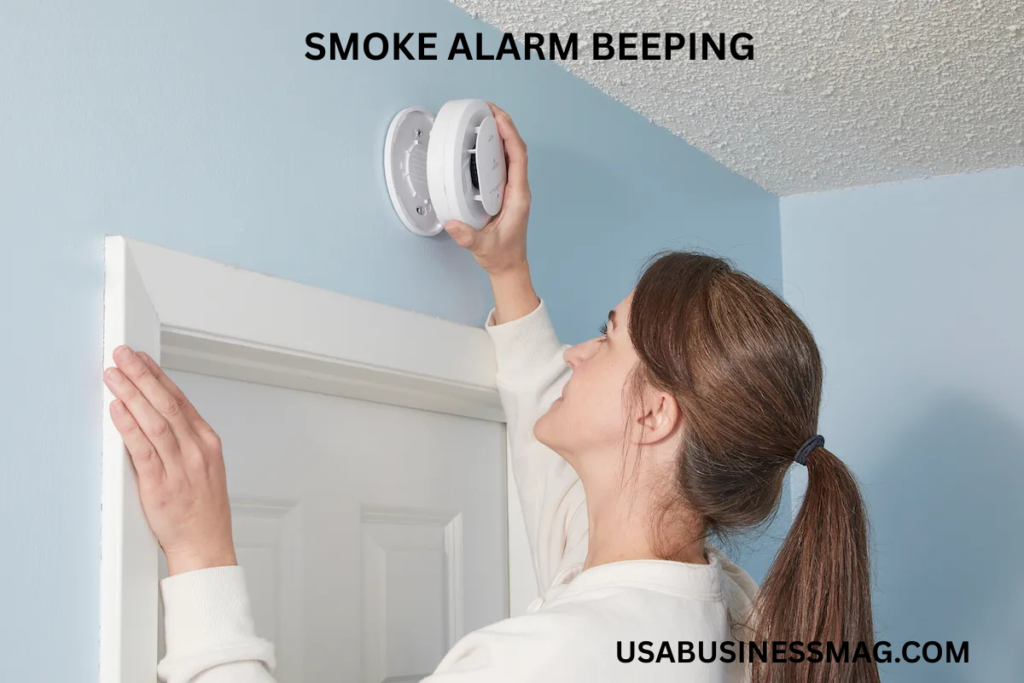
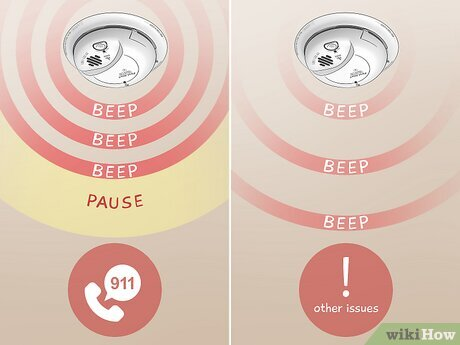
One of the first things to understand about smoke alarm beeping is the difference between a beep and a full alarm. A continuous, loud alarm typically signals smoke or fire, while a short, intermittent beep usually indicates a maintenance issue.
Many homeowners confuse these sounds, leading to unnecessary panic or, worse, ignoring an important warning. Recognizing the pattern of the sound helps you determine whether immediate evacuation is needed or if the issue can be safely addressed.
smoke alarm beeping as a Low Battery Warning
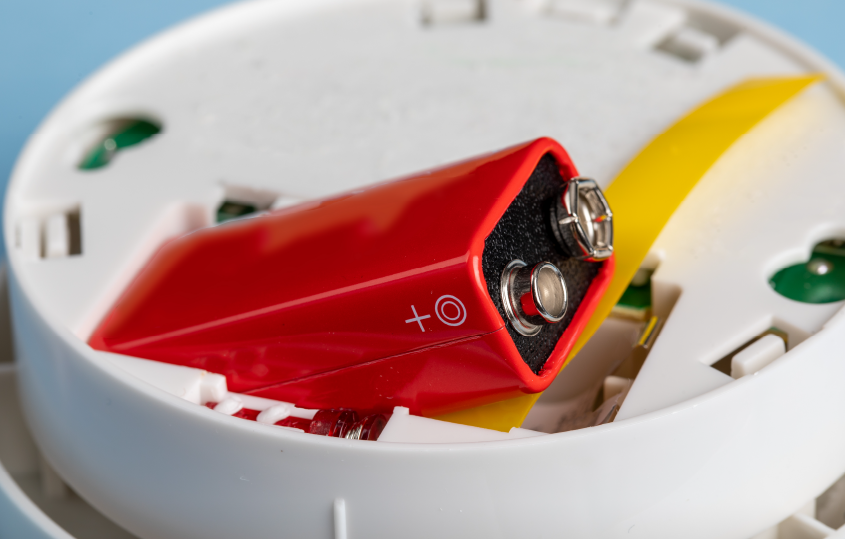
The most common reason for smoke alarm beepi is a low battery. Most alarms are designed to chirp every 30 to 60 seconds when battery power drops below a safe level. This alert ensures you replace the battery before the alarm becomes unreliable.
Battery-related beeping often starts unexpectedly, especially at night when background noise is low. Replacing the battery promptly usually resolves the issue and restores proper function.
smoke alarm beeping in Hardwired Alarm Systems
Hardwired smoke alarms, which are connected directly to your home’s electrical system, can still produce smoke alarm These units typically include a backup battery in case of power outages.
When the backup battery weakens, the alarm may chirp even though the main power is functioning. Homeowners sometimes overlook these batteries, assuming hardwired systems do not need maintenance.
smoke alarm beeping Caused by Dust and Debris
Dust accumulation is another frequent cause of smoke alarm beeping. Over time, dust, insects, or debris can enter the sensing chamber and interfere with normal operation.
This interference can cause false alerts or intermittent chirping. Regular cleaning with compressed air or a vacuum attachment helps prevent dust-related beeping and improves overall reliability.
smoke alarm beeping and End-of-Life Signals
Smoke alarms do not last forever. Most models are designed to function reliably for about ten years. When an alarm reaches the end of its lifespan, smoke alarm may occur to signal that replacement is necessary.
This type of beep often continues even after battery replacement. Checking the manufacturing date on the back of the unit can confirm whether it is time for a new alarm.
smoke alarm beeping Due to Environmental Conditions
Environmental factors can also trigger smoke alarm beep. High humidity, temperature fluctuations, or steam from cooking and showers may affect sensor sensitivity.
In some cases, relocating the alarm slightly away from kitchens or bathrooms reduces nuisance beep Proper placement is essential for balancing safety and practicality.
smoke alarm beeping in Newly Installed Alarms
New installations can still experience smoke alarm if setup steps are missed. Plastic pull tabs, loose batteries, or improper mounting may cause issues.
Carefully reviewing the manufacturer’s instructions ensures the alarm is installed correctly and reduces the chance of unexpected chirping shortly after installation.
smoke alarm beeping and Electrical Power Issues
Power surges or outages can contribute to smoke alarm beeping, particularly in hardwired systems. When power is restored, alarms may reset and briefly chirp.
If beeping continues after power stabilization, checking connections and backup batteries is recommended. Persistent issues may require professional inspection.
smoke alarm beeping During Seasonal Changes
Seasonal changes can affect smoke alarms. Cold weather may reduce battery efficiency, while heat can expand components slightly.
These changes sometimes trigger smoke alarm even when no immediate fault is obvious. Replacing batteries seasonally helps prevent temperature-related alerts.
smoke alarm beeping and Interconnected Alarm Systems
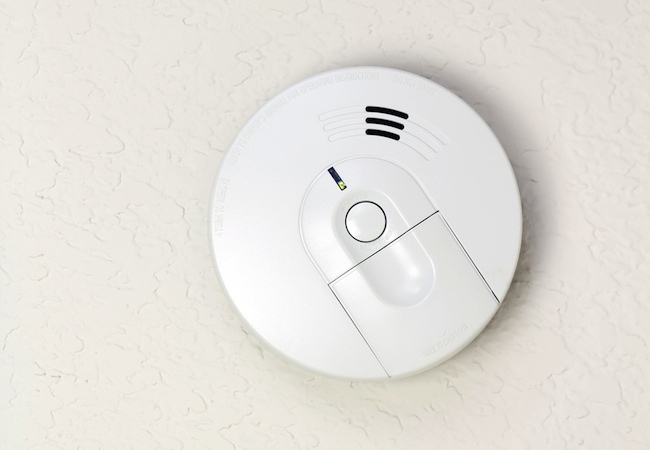
In homes with interconnected alarms, one unit can cause others to beep or chirp. Identifying the source alarm is essential for resolving the issue.
Listening closely and observing indicator lights can help pinpoint which unit requires attention. Addressing the source usually stops the noise throughout the system.
smoke alarm beeping and Carbon Monoxide Combination Units
Combination smoke and carbon monoxide alarms introduce additional complexity. Smoke alarm may relate to either function, depending on the pattern and indicator lights.
Understanding your specific model’s signals helps distinguish between maintenance alerts and safety warnings. Consulting the user manual is especially important for combination units.
smoke alarm beeping and the Importance of Regular Testing
Regular testing helps prevent unexpected smoke alarm . Monthly tests confirm that batteries, sensors, and connections are functioning properly.
Testing also familiarizes household members with alarm sounds, reducing confusion during real emergencies. A tested alarm is more likely to work correctly when needed.
smoke alarm beeping and Sleep Disruption Concerns
Many people experience smoke alarm at night, leading to frustration and sleep loss. This timing is not accidental, as batteries often weaken when temperatures drop overnight.
Keeping spare batteries readily available allows for quick fixes and minimizes disruption. Addressing the issue promptly prevents repeated nighttime disturbances.
smoke alarm beeping and Household Safety Awareness
Smoke alarm should not be ignored, even if it seems minor. Each chirp represents a signal that something needs attention.
Developing a habit of responding immediately improves safety and reduces the risk of alarm failure. Awareness and responsiveness are key to effective home protection.
smoke alarm beeping in Rental Properties
Renters may be unsure how to respond to smoke alarm . Responsibilities vary depending on local regulations and lease agreements.
In many cases, tenants are responsible for battery replacement, while landlords handle alarm replacement. Prompt communication ensures issues are resolved without compromising safety.
smoke alarm beeping and Child and Pet Reactions
The sound of smoke alarm beeping can distress children and pets. Sudden noises may cause fear or anxiety, especially if the issue persists.
Resolving beeping quickly helps maintain a calm home environment. Explaining the purpose of alarms to children can also reduce fear and build safety awareness.
smoke alarm beeping and DIY Troubleshooting Steps
Basic troubleshooting often resolves smoke alarm beeping. Replacing batteries, cleaning the unit, and resetting the alarm are common first steps.
If these actions fail, consulting the manufacturer’s guide or seeking professional assistance is advisable. Persistent beeping may indicate a deeper issue.
smoke alarm beeping and When to Replace the Entire Unit
Sometimes, replacement is the best solution. If smoke alarm continues despite maintenance, or if the alarm is outdated, installing a new unit improves reliability.
Modern alarms often include improved sensors and longer-lasting batteries. Replacement ensures compliance with current safety standards.
smoke alarm beeping and Preventive Maintenance Strategies
Preventive maintenance reduces the likelihood of smoke alarm beeping. Scheduled battery changes, regular cleaning, and timely replacement keep alarms functioning properly.
Creating a maintenance calendar helps homeowners stay organized and proactive. Prevention is more effective than reacting to unexpected alerts.
smoke alarm beeping and Peace of Mind at Home
Ultimately, addressing smoke alarm beeping restores peace of mind. A properly functioning alarm provides confidence that your home is protected.
Rather than viewing beeping as a nuisance, consider it a helpful reminder to maintain an essential safety device. Attention today prevents emergencies tomorrow.
Final Thoughts
Smoke alarm beeping is rarely random or meaningless. Whether caused by low batteries, environmental factors, or end-of-life warnings, each beep serves a purpose. By understanding these signals and responding promptly, homeowners can maintain both safety and comfort. A quiet, reliable smoke alarm is not just convenient—it is a critical part of a secure living space.
