


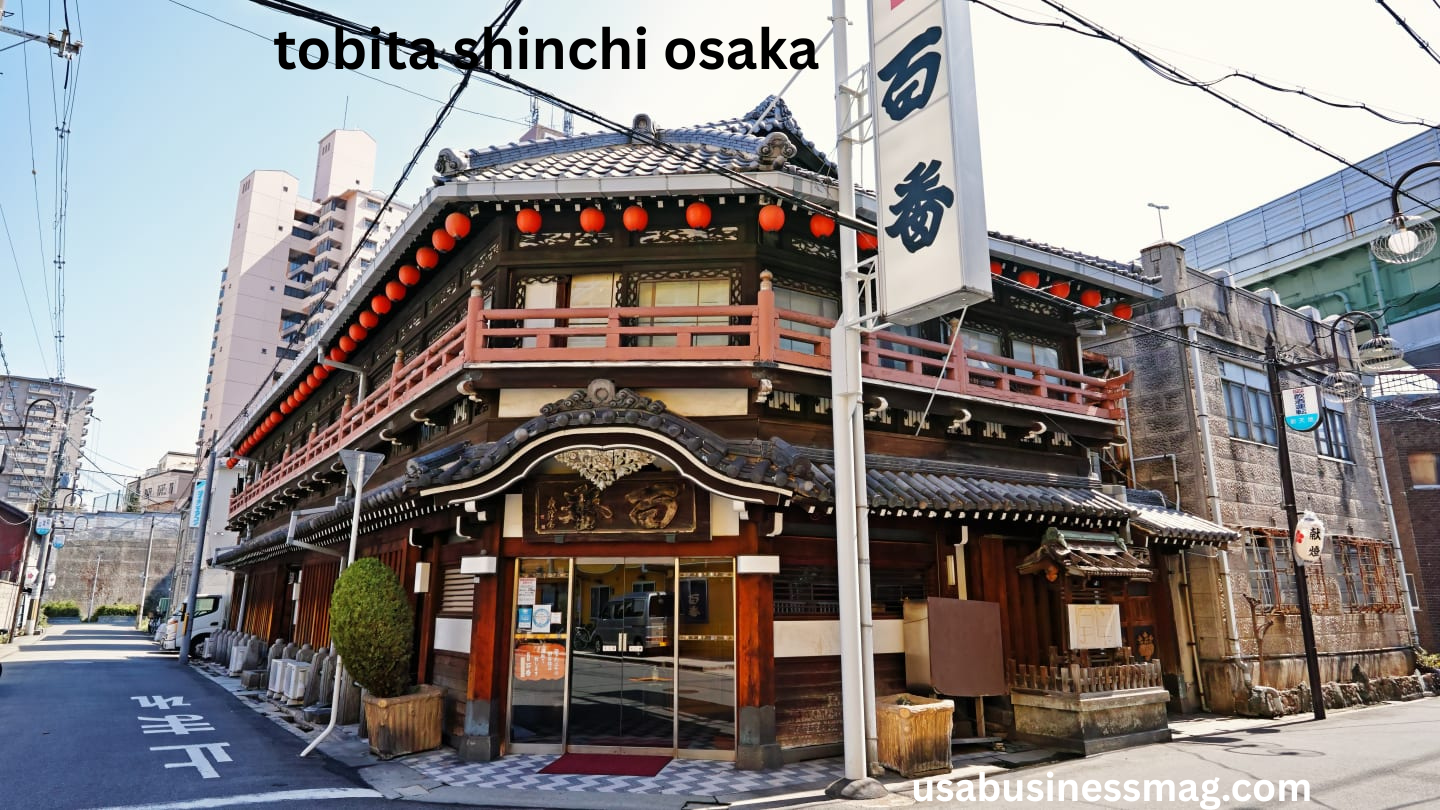
Osaka is a city known for its energy, humor, and layered history. Among its many neighborhoods, Tobita Shinchi Osaka stands out as one of the most discussed yet least openly explained areas. Located in the southern part of the city, it exists within a complex intersection of tradition, legality, and social norms. Understanding this district requires moving beyond surface impressions and examining how it fits into Osaka’s broader urban fabric.
The area developed alongside the city’s modernization, shaped by economic shifts and population growth. While it is often spoken about in hushed tones, it remains a functioning neighborhood with residents, businesses, and routines. Its presence highlights how cities adapt to social realities while maintaining outward order.
Tobita Shinchi Osaka and Historical Development
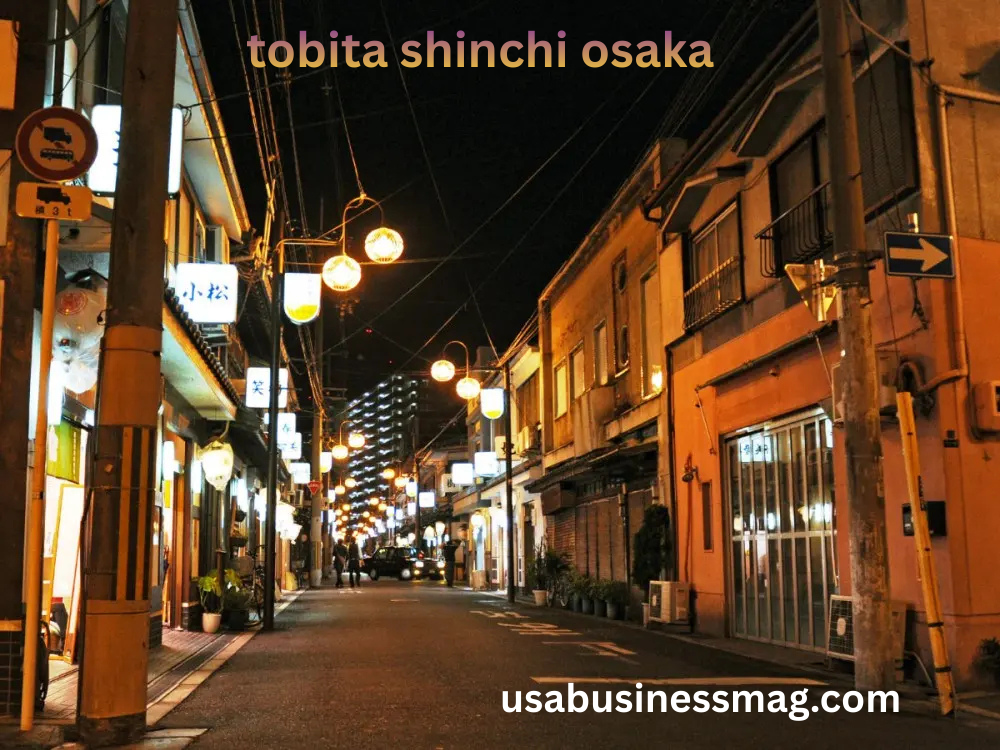
The roots of Tobita Shin chi Osaka trace back to early twentieth-century Japan, a period marked by rapid industrialization and urban expansion. As Osaka grew into a commercial powerhouse, designated entertainment districts emerged to manage social demand within regulated zones. Tobita Shinchi was one such area, developed with a structured layout and defined boundaries.
Over time, laws and social attitudes changed, but the district adapted rather than disappeared. Historical continuity is one of its defining characteristics. While many similar districts faded, this area remained due to its embedded role in local economic and social systems.
Tobita Shinchi Osaka and Postwar Transformation
Following World War II, Osaka underwent massive reconstruction. Tobita Osaka evolved during this period, adjusting to new regulations and shifting public morality. The physical environment changed, but the district retained its core identity.
This adaptability allowed it to survive when other districts were dismantled. Its buildings, streets, and operational style reflect layers of postwar history. Understanding this transformation offers insight into how Japanese cities manage continuity amid reform.
Tobita Shinchi Osaka and Architectural Characteristics
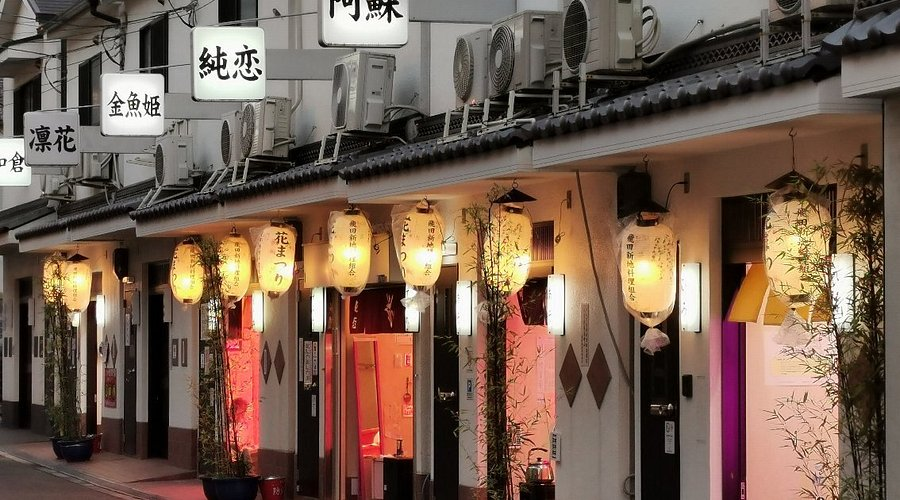
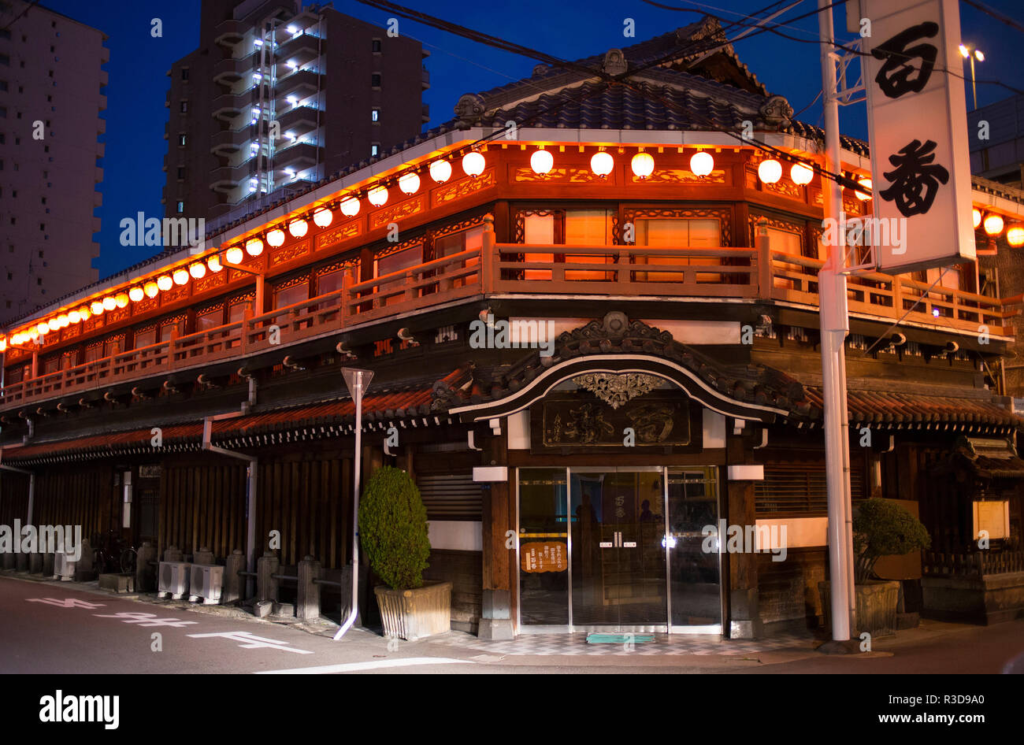
Architecture plays a subtle but important role in defining Tobita Osaka. The area is known for traditional-style townhouses that blend into the surrounding streetscape. These buildings do not announce their function openly, maintaining visual harmony with nearby residential zones.
This architectural restraint reflects a broader Japanese urban principle of minimizing disruption. From the outside, the area appears quiet and orderly. This understated design allows the district to exist without dominating the neighborhood’s visual identity.
Tobita Shinchi Osaka and Legal Frameworks
The continued existence of Tobita Osaka is closely tied to Japan’s legal structure. While national laws prohibit certain activities, local interpretations and enforcement practices have allowed the district to operate within gray zones.
This situation illustrates how regulation and reality sometimes diverge. Authorities focus on maintaining public order rather than eliminating long-established districts. The result is a carefully balanced coexistence shaped by mutual understanding rather than formal endorsement.
Tobita Shinchi Osaka and Social Awareness
Public awareness of Tobita Osaka varies widely. Some residents view it as a historical artifact, while others prefer not to discuss it at all. This selective visibility is part of how the district functions within a society that values harmony.
Silence does not necessarily indicate ignorance. Instead, it reflects an unspoken agreement to acknowledge complexity without confrontation. This social dynamic is essential to understanding how such districts persist.
Tobita Shinchi Osaka and Local Community Life
Despite its reputation, Tobita Osaka exists within a living community. Nearby residents go about daily routines, and local businesses operate independently of the district’s identity. This coexistence demonstrates how urban spaces can serve multiple functions simultaneously.
The district does not dominate neighborhood life. Instead, it occupies a specific role within a broader social ecosystem. This separation allows residents to maintain normalcy while accommodating historical realities.
Tobita Shinchi Osaka and Cultural Context
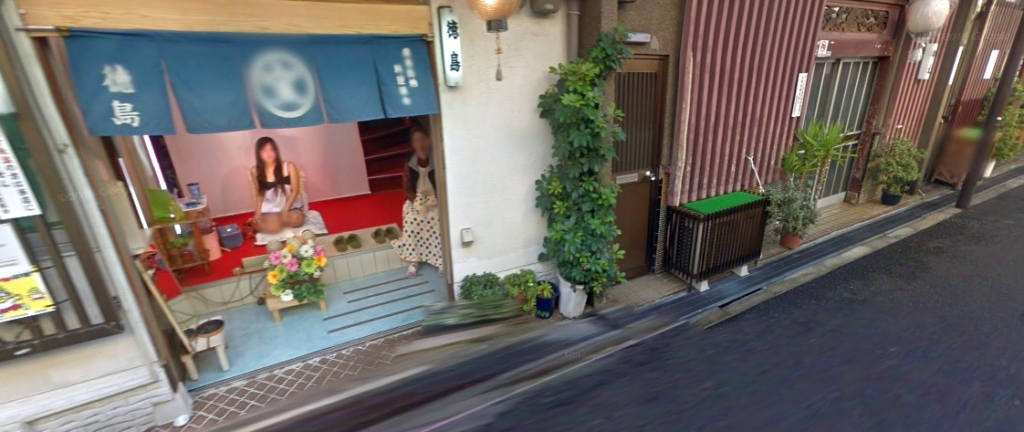
Cultural context is crucial when discussing Tobita Shinchi Osaka. Japanese society places strong emphasis on order, discretion, and indirect communication. These values influence how sensitive topics are managed within urban environments.
Rather than public debate, issues are often handled quietly through custom and precedent. The district’s endurance reflects this cultural approach, prioritizing stability over dramatic intervention.
Tobita Shinchi Osaka and Media Representation
Media portrayals of Tobita Shinchi Osaka often focus on mystery or controversy. Such representations can oversimplify a complex area shaped by decades of social negotiation. Sensational narratives rarely capture everyday realities.
Balanced discussion requires moving beyond headlines. Understanding the district involves recognizing its historical role and present-day function rather than relying on stereotypes or assumptions.
Tobita Shinchi Osaka and Tourism Curiosity
Curiosity from visitors has grown over time, with some travelers seeking to understand Tobita Shinchi Osaka as part of Osaka’s hidden history. This interest is often cultural rather than participatory, driven by fascination with lesser-known aspects of Japanese cities.
Responsible tourism emphasizes observation and respect. Visitors who approach the area with awareness can gain insight into how urban systems accommodate complexity without disruption.
Tobita Shinchi Osaka and Ethical Considerations
Any discussion of Tobita Shinchi Osaka must include ethical considerations. Conversations about labor, agency, and social responsibility are unavoidable. These issues are part of broader global discussions rather than isolated to one district.
Japan’s approach has historically emphasized containment and regulation rather than elimination. While opinions differ, understanding this perspective requires cultural and historical sensitivity.
Tobita Shinchi Osaka and Economic Dimensions
Economic factors have always influenced Tobita Shinchi Osaka. The district provided income opportunities during periods of limited employment, particularly for women from marginalized backgrounds.
While economic conditions have improved nationally, structural inequalities persist. The district’s continued operation reflects unresolved economic realities rather than simple choice.
Tobita Shinchi Osaka and Gender Perspectives
Gender dynamics are central to understanding Tobita Shinchi Osaka. The district highlights long-standing debates about autonomy, protection, and societal expectations. These discussions evolve alongside broader movements for gender equality.
Rather than viewing the area in isolation, it should be examined within Japan’s changing social framework. Progress occurs gradually, shaped by policy, culture, and economic opportunity.
Tobita Shinchi Osaka and Urban Planning Philosophy
Urban planning in Japan often favors pragmatic solutions. Tobita Shinchi Osaka exemplifies this philosophy by existing within defined limits rather than spreading unpredictably.
Containment allows authorities to manage impact while avoiding broader disruption. This approach prioritizes stability, even when it raises moral or social questions.
Tobita Shinchi Osaka and Neighborhood Boundaries
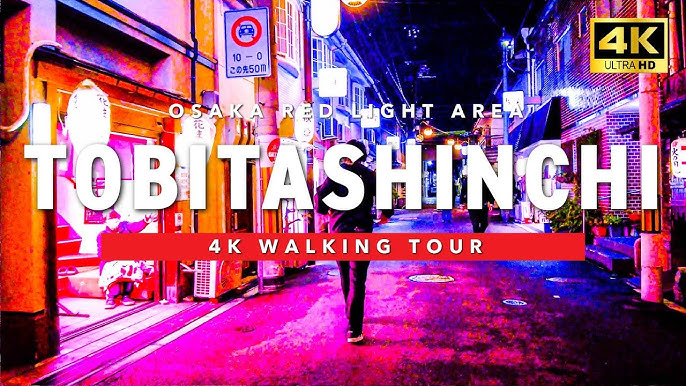
Clear boundaries define Tobita Shinchi Osaka, both physically and socially. Streets mark transitions between ordinary residential areas and the district itself. These boundaries help maintain order and clarity.
Such spatial organization reflects intentional planning. By limiting expansion, the district remains controlled and predictable, reducing tension with surrounding neighborhoods.
Tobita Shinchi Osaka and Public Perception Over Time
Public perception of Tobita Shinchi Osaka has shifted gradually. Younger generations often view it as a historical curiosity rather than a defining feature of the city. This changing perspective influences how the district is discussed.
As societal values evolve, so does interpretation. What once served a practical function may now be seen through a cultural or historical lens.
Tobita Shinchi Osaka and Silence as Strategy
Silence plays a strategic role in the continued existence of Tobita Shinchi Osaka. Avoiding public debate reduces conflict and allows gradual adaptation. This strategy aligns with broader Japanese conflict-avoidance norms.
Rather than denial, silence functions as management. It creates space for coexistence without forcing immediate resolution of complex issues.
Tobita Shinchi Osaka and Comparison With Other Cities
Similar districts once existed in many global cities. Tobita Shinchi Osaka stands out because it endured while others disappeared. This longevity reflects Japan’s unique balance of tradition and regulation.
Comparative analysis shows how different societies handle similar challenges. Osaka’s approach emphasizes containment and continuity rather than eradication.
Tobita Shinchi Osaka and Changing Social Values
As social values continue to change, the future of Tobita Shinchi Osaka remains uncertain. Shifts in labor policy, gender rights, and public discourse will influence its trajectory.
Change in Japan often occurs incrementally. The district may evolve further, fade gradually, or transform in function rather than vanish abruptly.
Tobita Shinchi Osaka and Academic Interest
Scholars study Tobita Shinchi Osaka to understand urban sociology, informal economies, and cultural governance. It offers a real-world example of how cities manage moral ambiguity.
Academic interest focuses less on sensationalism and more on systems, structures, and adaptation. This research contributes to broader urban studies discourse.
Tobita Shinchi Osaka and the Meaning of Coexistence
Ultimately, Tobita Shinchi Osaka represents coexistence within complexity. It demonstrates how a city balances history, legality, culture, and human behavior without simple solutions.
Rather than viewing the district as an anomaly, it can be understood as part of Osaka’s layered identity. Its presence invites reflection on how societies manage uncomfortable realities while maintaining social order.
