



Vehicle window tinting has long been a popular choice among drivers seeking privacy, interior comfort, and protection from sunlight. However, tinting is not only a personal preference—it is also a regulated feature governed by state laws. The discussion surrounding north carolina window tint law changes reflects the ongoing effort to balance driver comfort with public safety, law enforcement visibility, and roadway standards.
Over time, tint regulations in North Carolina have evolved in response to technology, safety studies, and enforcement challenges. Understanding these changes is essential for vehicle owners, installers, and anyone responsible for maintaining legal compliance. This article explores the broader context, intent, and impact of north carolina window tint law changes without overwhelming readers with technical jargon.
The Purpose Behind north carolina window tint law changes
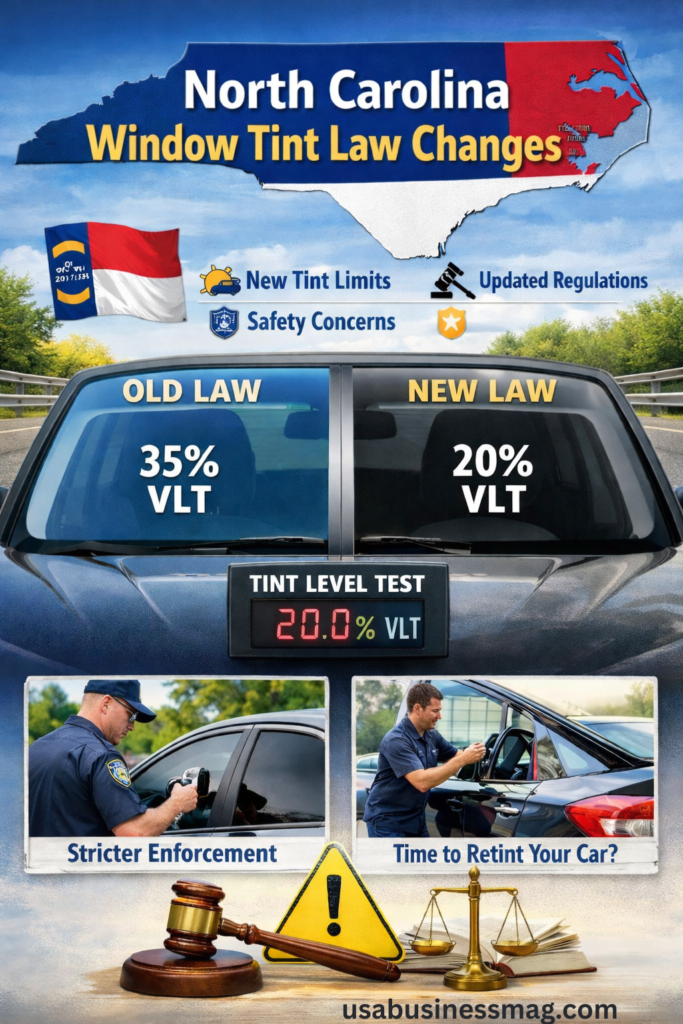
Regulatory updates aim to address these concerns while still allowing drivers to benefit from tinting advantages such as glare reduction and interior temperature control. Lawmakers periodically reassess tint limits to reflect advancements in automotive glass technology and enforcement tools.
These changes are not arbitrary; they are shaped by safety data, enforcement practicality, and public feedback.
Historical Context of north carolina window tint law changes
To understand current regulations, it is helpful to look at the historical foundation of north carolina tint law changes. Early tint laws were relatively simple, focusing on basic visibility requirements. As tint films became more advanced, regulations became more detailed.
Over the years, North Carolina refined its approach by specifying measurable standards rather than subjective assessments. This shift improved consistency in enforcement and reduced confusion among drivers.
Historical revisions demonstrate the state’s effort to modernize vehicle regulations while maintaining safety priorities.
Visibility Standards and north carolina window tint law changes
One of the most important elements of north carolina window tint law changes involves visibility standards. These standards are designed to ensure that drivers maintain a clear view of the road and surroundings.
Visibility regulations consider how much light must pass through vehicle windows. By defining acceptable levels, the law provides clarity for both drivers and enforcement officers.
These standards help prevent accidents caused by reduced visibility while still permitting moderate tinting.
Enforcement Considerations in north carolina window tint law changes
Enforcement has always played a significant role in shaping north carolina window changes. Without clear guidelines, enforcement can become inconsistent and contentious.
To address this, updated laws often emphasize measurable criteria rather than visual judgment alone. This approach reduces disputes during traffic stops and inspections.

Improved enforcement clarity benefits both drivers and officers by establishing shared expectations.
Safety Implications of north carolina window tint law changes
Safety remains a central motivation behind north carolina window tint law . Excessively dark tint can impair a driver’s ability to see hazards, pedestrians, and other vehicles.
In emergency situations, visibility into a vehicle is also important for first responders. Updated laws take these considerations into account when defining acceptable tint levels.
By prioritizing safety, regulatory changes aim to reduce risk without eliminating tinting altogether.
Medical Exemptions and north carolina window tint law changes
Medical exemptions are an important component of north carolina window tint law changes. Certain medical conditions require reduced sunlight exposure, making darker tint a necessity rather than a preference.
The law typically provides a structured process for obtaining exemptions. This ensures that individuals with legitimate needs can remain compliant while addressing health concerns.
Clear exemption guidelines help balance personal health requirements with public safety standards.
Vehicle Inspections and north carolina window tint law changes
Vehicle inspections are closely tied to north carolina window tint law Tint compliance is often evaluated during routine inspections to ensure vehicles meet legal requirements.
Inspection standards reflect current regulations, meaning changes in the law can affect inspection outcomes. Drivers with non-compliant tint may be required to make adjustments before passing inspection.
This process reinforces compliance and keeps vehicles within regulated limits.
Impact on Drivers From north carolina window tint law changes
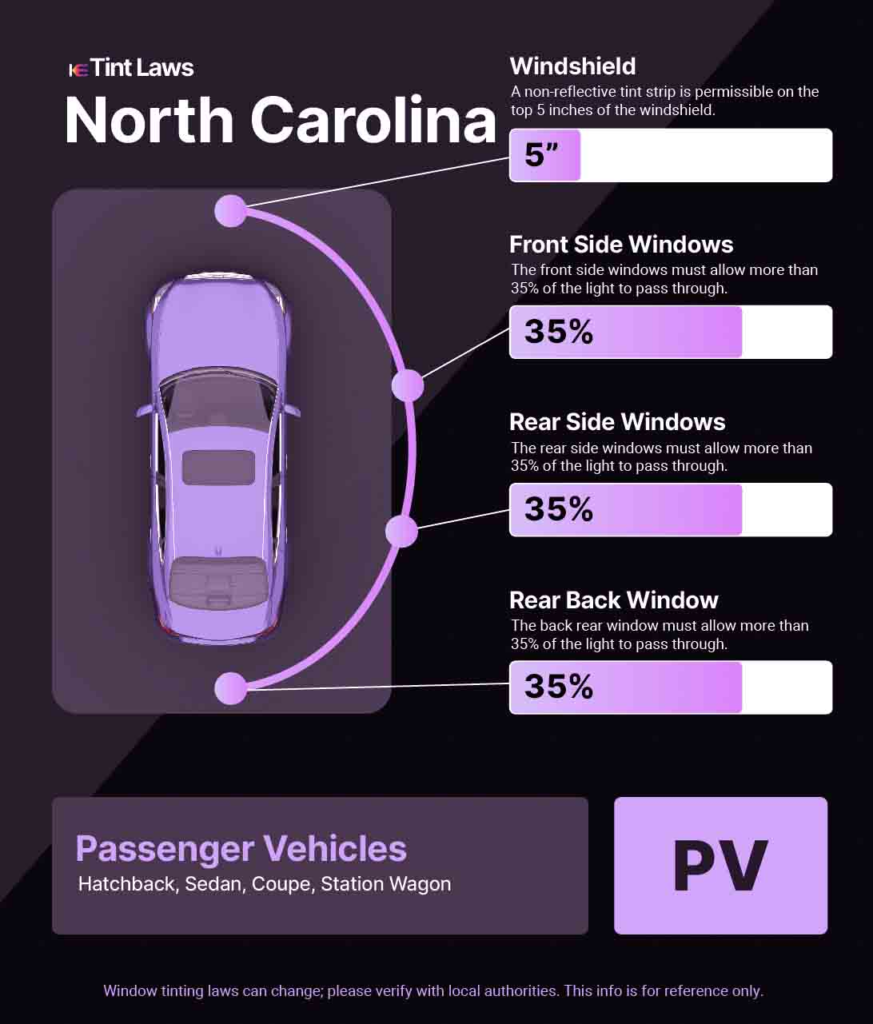
For everyday drivers, north carolina window tint law changes can influence both cost and convenience. Changes may require vehicle owners to replace or modify existing tint.
Understanding the law helps drivers avoid penalties, inspection failures, or the inconvenience of corrective action. Staying informed allows vehicle owners to make confident decisions when tinting their windows.
Driver awareness is key to smooth adaptation to regulatory updates.
Impact on Tint Installers and north carolina window tint law changes
Professional installers are directly affected by north carolina window tint law changes. They must stay updated to ensure their services remain compliant with state regulations.
Installers often serve as an information source for customers, making their understanding of the law especially important. Compliance protects businesses from liability and maintains customer trust.
Changes in regulations can also influence product offerings and installation practices.
Technological Advances and north carolina window tint law changes
Technology has influenced north carolina window tint law changes in significant ways. Modern tint films can reduce heat and glare without being excessively dark.
As technology improves, laws may adapt to allow newer materials that meet safety objectives while enhancing comfort. These advancements encourage innovation within regulated boundaries.
Technology-driven updates reflect a balance between progress and safety.
Measuring Tint Levels Under north carolina window tint law changes
Measurement methods are an essential aspect of north carolina window tint law changes. Objective tools are used to assess compliance accurately.
Standardized measurement reduces uncertainty and ensures fair enforcement. Drivers benefit from clear thresholds, while officers rely on consistent data.
This emphasis on measurement supports transparency and trust in the regulatory process.
Penalties Associated With north carolina window tint law changes
Penalties serve as enforcement mechanisms under north carolina window tint law changes. These may include warnings, fines, or requirements to remove non-compliant tint.
The goal of penalties is not punishment alone but corrective action. Encouraging compliance improves overall road safety and consistency.
Clear consequences help drivers understand the importance of adherence.
Public Awareness and north carolina window tint law changes
Public awareness campaigns play a role in implementing north carolina window tint law changes effectively. When drivers understand the reasons behind regulations, compliance improves.
Educational efforts may include informational materials, online resources, or guidance during inspections. Awareness reduces unintentional violations.
Informed drivers contribute to smoother enforcement and safer roads.
Legal Interpretation of north carolina window tint law changes
Legal interpretation ensures that north carolina window tint law changes are applied consistently. Clear language in statutes minimizes ambiguity and legal disputes.
When laws are well-defined, courts, officers, and drivers share a common understanding. This consistency strengthens the regulatory framework.
Legal clarity supports fairness and accountability.
Comparing Past and Present north carolina window tint law changes
Comparing older regulations with current north carolina window tint law changes reveals a trend toward precision and practicality. Earlier laws relied more on visual judgment, while modern rules emphasize measurable standards.
This evolution reflects lessons learned from enforcement challenges and technological advancements.
Understanding these changes helps drivers appreciate the rationale behind current requirements.
Compliance Strategies Under north carolina window tint law changes
Compliance strategies are essential for adapting to north carolina window tint law changes. Drivers can consult professionals, review inspection guidelines, and verify tint specifications before installation.
Proactive compliance reduces the risk of penalties and inspection failures. Simple steps, such as documentation and verification, make a significant difference.
Preparation is the most effective compliance strategy.
Future Outlook of north carolina window tint law changes
The future of north carolina window tint law changes will likely continue to reflect evolving technology and safety research. As automotive glass and tint materials improve, regulations may adapt accordingly.
Future updates may focus on performance-based standards rather than appearance alone. This approach aligns regulation with actual safety outcomes.
Staying informed ensures readiness for future adjustments.

Conclusion: Why north carolina window tint law changes Matter
The topic of north carolina window tint law changes highlights the balance between personal comfort and public safety. These regulations are designed to protect drivers, passengers, and communities while allowing reasonable customization.
By understanding the intent, enforcement, and implications of these changes, vehicle owners can make informed decisions and remain compliant. As technology and transportation evolve, tint laws will continue to adapt.
Awareness and compliance ensure that window tint remains a benefit rather than a liability on North Carolina roads.
