


What Are Critical Thinking Exercises?
Critical thinking exercises are activities that help people analyze information, question assumptions, evaluate evidence, and make better decisions. Instead of accepting the first answer that comes to mind, these exercises encourage individuals to examine a problem from different perspectives. They can be used by students, professionals, teachers, and anyone who wants to improve their reasoning skills.
These critical thinking exercises can involve solving puzzles, reviewing arguments, explaining complicated ideas in simple language, or comparing possible solutions to a real-life problem. For example, when deciding whether to trust an online claim, a critical thinker checks the evidence, considers the source, and looks for alternative explanations. This approach makes it easier to distinguish reliable information from unsupported opinions.
Regular practice can strengthen problem-solving, communication, and decision-making skills. The goal is not to question everything unnecessarily but to develop a balanced approach to information. By learning to identify what is known, what is assumed, and what remains uncertain, people can make more thoughtful decisions in everyday life.
Benefits of Practicing Critical Thinking Exercises
One major benefit of critical thinking exercises is improved problem-solving. When people break a complicated issue into smaller parts, they can identify its causes and explore possible solutions more effectively. Rather than reacting immediately, they learn to gather information, compare alternatives, and consider the consequences of their actions. This approach is useful in education, professional environments, and personal situations. critical thinking exercises.
Another benefit is better decision-making. Many decisions involve incomplete information, competing priorities, or uncertainty about future outcomes. Critical thinking helps people evaluate the available evidence and recognize the limitations of their knowledge. It also encourages them to consider risks and benefits before choosing a course of action. Although it cannot guarantee perfect decisions, it can make the reasoning behind those decisions more careful and transparent. critical thinking exercises.
Critical thinking also supports communication and collaboration. People who explain their reasoning clearly can discuss disagreements more constructively and understand opposing viewpoints. Instead of rejecting an idea simply because they disagree with it, they can ask questions and examine the evidence. This habit can improve teamwork, reduce misunderstandings, and create more productive conversations at school and work. critical thinking exercises.
Critical Thinking Exercises for Students
Students can improve their critical thinking by asking questions while studying. Instead of memorizing information without understanding it, they can ask why a concept works, what evidence supports it, and how it connects to other ideas. For example, after reading a chapter about history or science, a student can summarize the main argument and identify the facts used to support the conclusion. This practice encourages deeper understanding and better retention.
Another useful exercise involves comparing two explanations of the same topic. Students can identify similarities, differences, assumptions, and supporting evidence. They should consider whether both explanations are equally convincing and what additional information would help them decide. This activity teaches them to evaluate information rather than automatically accepting the first explanation they encounter.
Students can also practice solving everyday problems. They might consider how to organize a study schedule, prepare for an examination, or complete a group assignment with limited time. By identifying the problem, considering several options, and evaluating the likely outcomes, students learn to apply reasoning to practical situations. These skills can support academic performance and prepare them to handle challenges beyond the classroom.
Critical Thinking Exercises for Adults
Adults can use critical thinking exercises to examine everyday decisions and personal assumptions. One practical method is to ask why a problem exists several times to uncover its underlying causes. For instance, if someone regularly misses deadlines, the immediate explanation may be poor time management. Further questioning might reveal unclear priorities, unrealistic planning, or frequent interruptions. Identifying the real cause makes it easier to choose an effective solution.
Another exercise involves examining a belief from multiple perspectives. Choose an opinion you hold and identify the evidence supporting it. Then consider what someone who disagrees might say and whether their argument contains information you have overlooked. The purpose is not necessarily to change your opinion but to determine whether it remains reasonable after considering alternative explanations.
Adults can also review previous decisions to learn from experience. Think about a choice that produced an unexpected result and examine the information available at the time. Consider which assumptions were correct, what risks were overlooked, and what could have been done differently. Reviewing decisions without unnecessary self-criticism helps people develop better judgment and apply lessons to future situations.
How to Improve Critical Thinking Skills Every Day
Developing critical thinking does not require complicated equipment or hours of study. Small, repeatable activities can help people build the habit of examining information carefully. Reading an article and identifying its main claim, checking a statistic before sharing it, or comparing two possible solutions are simple ways to practice. The key is to explain why a conclusion makes sense rather than relying only on intuition.
Active listening is another useful habit. During a conversation, focus on understanding the other person’s reasoning before preparing a response. Ask questions when a point is unclear, and distinguish between what the person actually said and what you assume they meant. This approach can prevent misunderstandings and encourage more balanced discussions.
It is also important to recognize personal biases. People often pay more attention to information that supports their existing beliefs and overlook evidence that challenges them. Making a deliberate effort to consider opposing evidence can reduce this tendency. Over time, combining careful observation, open-mindedness, and regular practice can help individuals approach problems with greater clarity and confidence.
Frequently Asked Questions About Critical Thinking Exercises
What is the best exercise for improving critical thinking?
Explaining a problem in simple language is an excellent starting point. It helps reveal gaps in understanding and encourages clearer reasoning. Other useful activities include questioning assumptions, evaluating evidence, solving logic problems, and considering alternative explanations. The best exercise depends on the skill you want to develop.
How long should I practice critical thinking?
You can begin with five to fifteen minutes of focused practice each day. For example, examine one claim, solve a short problem, or review a decision and explain your reasoning. Consistency and thoughtful reflection are more useful than rushing through many exercises without understanding the results.
Can critical thinking exercises help at work?
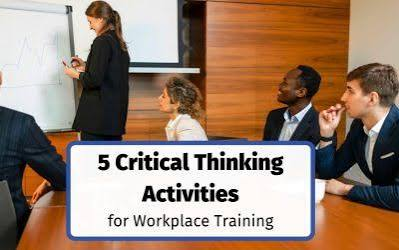
Yes. These activities can help employees analyze problems, assess proposals, identify risks, and communicate their reasoning clearly. They can also help teams challenge assumptions and compare possible solutions before committing time or resources to a decision.
Are critical thinking exercises suitable for beginners?
Yes. Beginners can start with simple questions such as, “What evidence supports this claim?” or “Is there another explanation?” As their confidence grows, they can progress to more complex scenarios involving multiple viewpoints, uncertain information, and competing priorities.
Conclusion
Critical thinking exercises provide a practical way to develop reasoning, problem-solving, and decision-making skills. By questioning assumptions, evaluating evidence, and considering different perspectives, individuals can learn to approach challenges more carefully. These skills are valuable for students, working professionals, and adults managing everyday responsibilities.
The most effective approach is to practice regularly with real situations. Start with simple activities, explain your reasoning, and remain willing to revise your conclusions when stronger evidence becomes available. With consistent effort, critical thinking can become a natural part of how you learn, communicate, and make decisions.
