


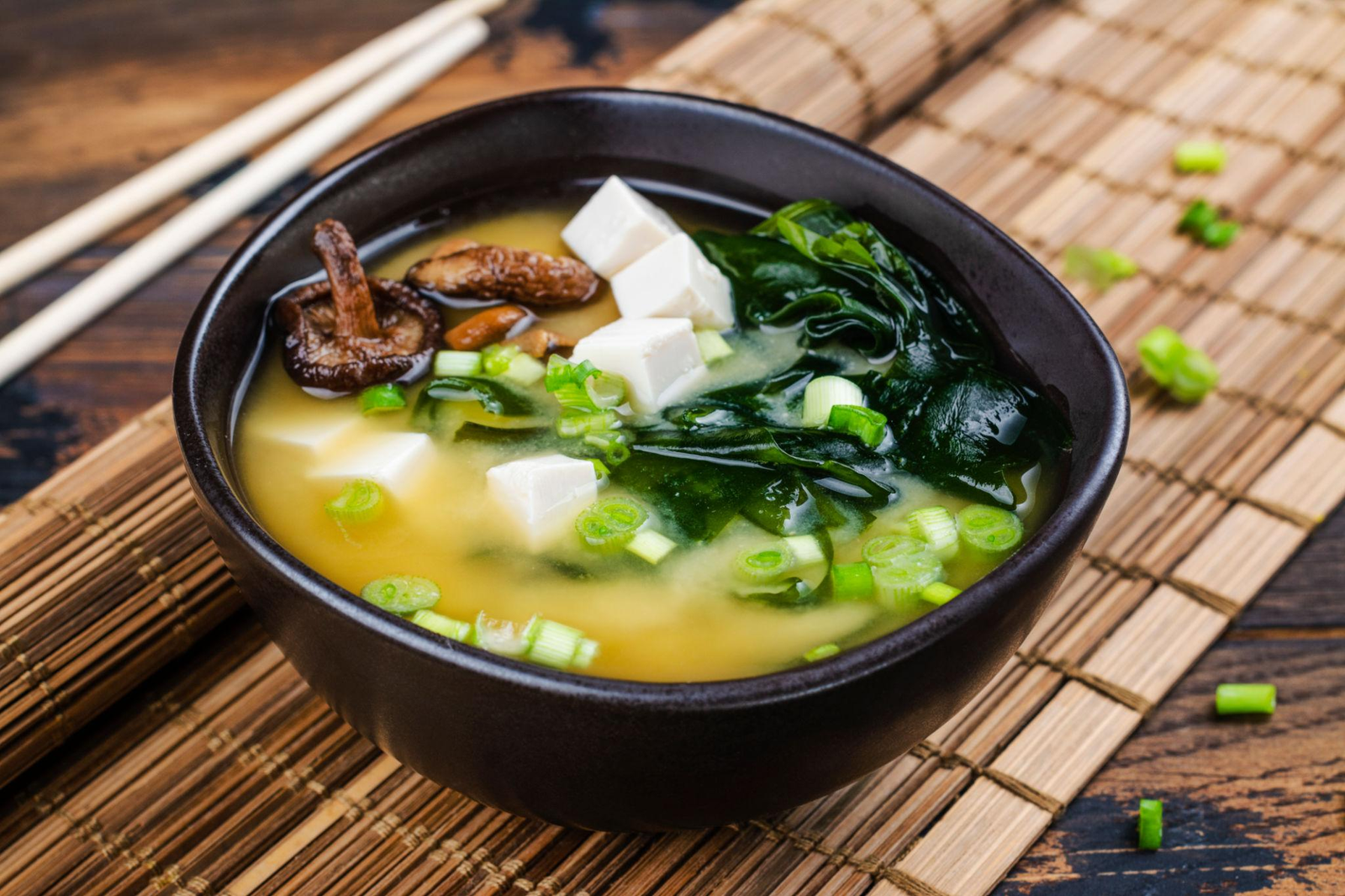
Miso soup is one of the most popular traditional dishes in Japanese cuisine. Known for its comforting flavor, warm broth, and simple ingredients, this soup has been enjoyed in Japanese households for generations. It is commonly served with breakfast, lunch, and dinner and is often included as part of a traditional Japanese meal. Its popularity comes from its distinctive savory taste, commonly known as umami, and the flexibility to prepare it with different vegetables, tofu, seaweed, and other ingredients.
The main ingredient in miso soup is miso paste, a fermented seasoning traditionally made from soybeans, salt, and a fermentation culture called koji. This ingredient gives the soup its characteristic flavor and color. The broth is commonly prepared using dashi, a Japanese stock that may contain ingredients such as kombu seaweed and dried bonito flakes. Together, these ingredients create a light yet flavorful soup that can be adapted according to personal preferences.
Miso soup has also attracted international attention because of its connection with Japanese food culture and fermented ingredients. Many people enjoy it as a simple comfort food, while others appreciate its versatility and nutritional qualities. Whether served in a Japanese restaurant or prepared at home, miso soup offers an easy way to explore the flavors of traditional Japanese cooking.
Miso Soup – Quick Facts
| Category | Details |
|---|---|
| Dish Name | Miso Soup |
| Japanese Name | Misoshiru |
| Cuisine | Japanese |
| Main Ingredient | Miso Paste |
| Common Broth | Dashi |
| Main Flavor | Savory and Umami |
| Texture | Light and Brothy |
| Popular Additions | Tofu and Wakame |
| Other Ingredients | Green Onions and Mushrooms |
| Serving Temperature | Usually Hot |
| Meal Type | Soup or Side Dish |
| Preparation Time | Around 10–20 Minutes |
| Cooking Difficulty | Easy |
| Dietary Options | Vegetarian and Vegan Versions |
| Main Appeal | Traditional Japanese Flavor |
What Is Miso Soup?
Miso soup is a traditional Japanese soup prepared using miso paste mixed into a flavorful broth. It is commonly served in small bowls as part of a larger meal and is appreciated for its balanced savory taste. Unlike thick Western-style soups, miso soup usually has a light consistency, allowing the flavors of the broth and individual ingredients to remain noticeable.
The foundation of the soup is generally dashi, a Japanese stock that provides depth and umami. Miso paste is added to this broth and dissolved carefully to create the finished soup. Common ingredients include soft tofu, dried wakame seaweed, green onions, mushrooms, and seasonal vegetables. Different households and restaurants prepare the dish according to their own preferences, which means there is no single combination that defines every bowl of miso soup.
Although miso soup is closely associated with Japanese cuisine, it has become popular in many countries. Japanese restaurants often serve it alongside sushi, rice dishes, noodles, and grilled foods. Its simple preparation and adaptable ingredients make it suitable for home cooking as well. People who enjoy light soups often appreciate its comforting flavor and the ability to adjust its ingredients.
History and Cultural Importance of Miso Soup in Japan
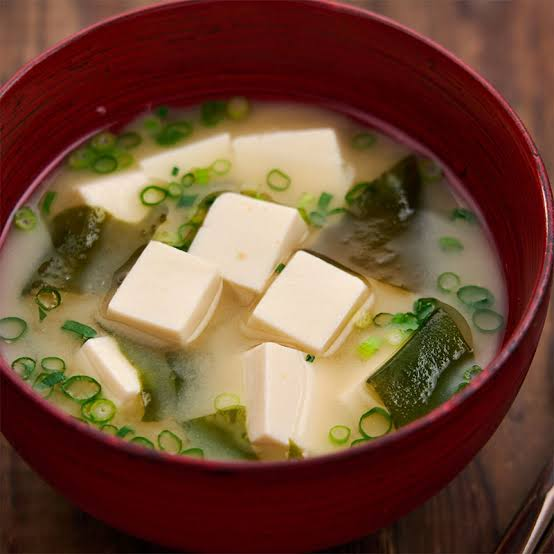
Miso has a long history in Japanese food culture and has traditionally been used as a seasoning and source of flavor. Over time, miso-based preparations became an important part of everyday Japanese cooking. Miso soup developed into a familiar household dish because its basic ingredients could be adapted to local availability, regional preferences, and seasonal produce.
In traditional Japanese meals, miso soup is often served alongside steamed rice and several small side dishes. This combination reflects the importance of balance in Japanese food culture. Rather than treating soup as the main event, it often forms part of a complete meal that includes vegetables, protein sources, and other complementary flavors. Its regular presence at the dining table has made it a recognizable symbol of home-style Japanese cooking.
Different regions of Japan have developed their own preferences regarding miso types and soup ingredients. Some communities favor lighter-tasting miso, while others prefer darker and more strongly flavored varieties. Local vegetables, seafood, mushrooms, and other ingredients also influence regional preparations. This diversity demonstrates how a simple traditional recipe can become part of a country’s wider culinary identity.
Main Ingredients Used in Traditional Miso Soup
The flavor of miso soup depends on the quality and combination of its ingredients. Although the recipe is simple, every ingredient contributes something important to the final result. Miso paste provides the characteristic savory taste, while dashi creates the foundation of the broth. Tofu, seaweed, vegetables, and seasonings add texture and variety, making the soup more satisfying.
Miso paste is the most important ingredient. It is produced through the fermentation of soybeans with salt and koji, which is a fermentation culture commonly made using rice or barley. Different varieties of miso have different colors, aromas, and flavors. White miso is generally mild and slightly sweet, while red miso usually has a deeper and stronger taste. The choice depends on the preferred flavor and the other ingredients used in the recipe.
Dashi is another essential component because it gives the soup its distinctive depth. Traditional dashi may be prepared using kombu, dried bonito flakes, or both. Tofu provides a soft texture and a source of plant-based protein, while wakame adds a delicate sea flavor. Green onions contribute freshness and a mild sharpness. Mushrooms, spinach, carrots, and other vegetables can also be included to create different versions of this traditional Japanese dish.
Different Types of Miso Soup
Miso soup comes in several varieties because different types of miso paste and broth ingredients produce different flavors. One of the most common versions is made with white miso, which is known for its mild, slightly sweet taste. It is a popular choice for people who prefer a lighter soup and works particularly well with tofu, wakame, and delicate vegetables.
Red miso soup offers a stronger and more intense flavor. Red miso is generally fermented for longer than some lighter varieties, giving it a deeper color and more pronounced savory character. This type can work well with mushrooms, root vegetables, and other ingredients that can complement its rich taste. Mixed miso is another option, combining different miso varieties to create a balanced flavor.
There are also many ingredient-based variations. Tofu miso soup is a familiar preparation, while wakame miso soup highlights the taste of seaweed. Mushroom miso soup offers an earthy flavor, and vegetable miso soup can include seasonal ingredients. Some Japanese regional preparations use shellfish, seafood, or local vegetables. These variations demonstrate the flexibility of miso soup and explain why it remains popular in different parts of Japan.
Health Benefits and Nutritional Value of Miso Soup
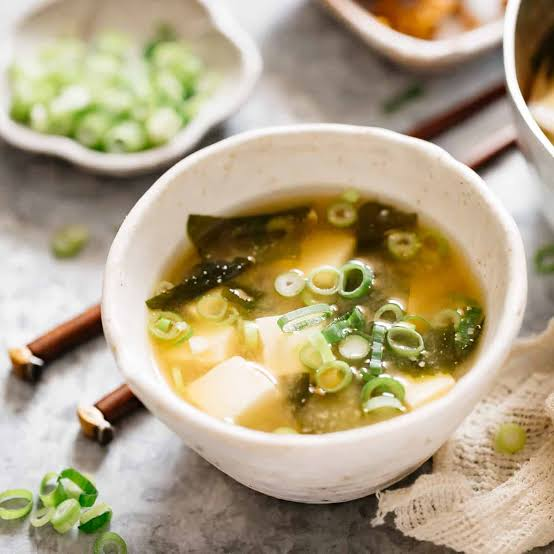
Miso soup can contribute useful nutrients to a balanced diet, depending on the ingredients and portion size. Miso paste contains protein and minerals, while tofu adds additional plant-based protein. Seaweed contributes certain minerals and dietary fiber, and vegetables provide vitamins and other beneficial plant compounds. Because recipes vary, the nutritional content of one bowl may differ considerably from another.
Fermentation is one reason miso attracts attention from people interested in traditional foods. Miso is produced through a fermentation process that develops its distinctive flavor and aroma. It contains compounds created during fermentation, although the finished soup should not automatically be considered a probiotic food. Heating and cooking can affect the microorganisms present in fermented ingredients.
Another possible advantage is that miso soup can be prepared with a variety of vegetables and protein sources. Adding mushrooms, tofu, spinach, and other vegetables can increase the nutritional variety of a meal. However, miso paste and prepared dashi can contain considerable sodium. People who need to limit salt intake should pay attention to portion sizes and select lower-sodium ingredients when available. Miso soup can be part of a healthy eating pattern, but it should not be treated as a medicine or a replacement for a balanced diet.
How to Make Traditional Japanese Miso Soup at Home
Making miso soup at home is relatively simple and does not require complicated cooking equipment. The most important step is preparing a flavorful broth and dissolving the miso paste properly. With a few basic ingredients, home cooks can prepare a comforting bowl in a short amount of time. Fresh ingredients also make it easier to adjust the flavor according to personal preferences.
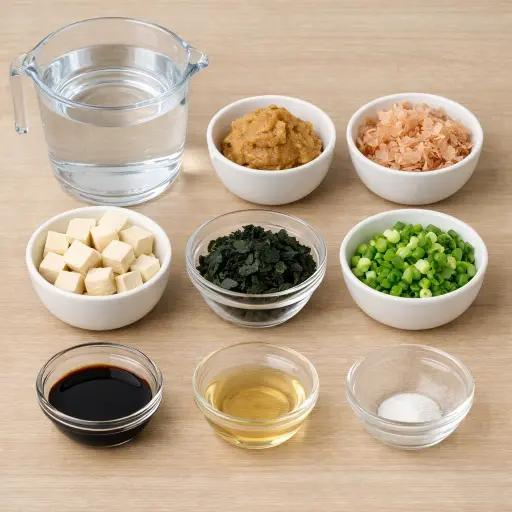
Ingredients for approximately two servings:
- 2 cups of dashi stock
- 2 tablespoons of miso paste
- 100 grams of soft or medium tofu
- 1 tablespoon of dried wakame seaweed
- 1–2 green onions
- A small amount of mushrooms, optional
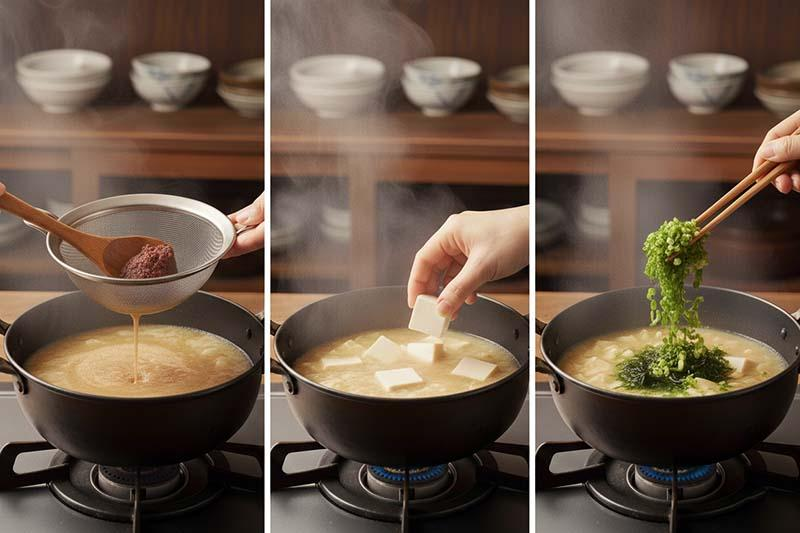
Begin by preparing the dashi stock according to the ingredients and instructions available. If using dried wakame, soak it in water until it becomes soft, then drain it. Cut the tofu into small cubes and finely slice the green onions. Place the dashi in a saucepan and gently heat it before adding the tofu and any vegetables that require cooking.
Once the ingredients are warmed through, reduce the heat. Place the miso paste in a small bowl, add some warm broth, and stir until it dissolves smoothly. Return this mixture to the saucepan and stir gently. Avoid boiling the soup vigorously after adding the miso because excessive heat can affect its delicate aroma and flavor. Add the prepared wakame and green onions, then serve immediately while warm.
How to Serve Miso Soup and What to Eat With It
Miso soup is traditionally served warm in small bowls as part of a Japanese meal. It is commonly accompanied by steamed white rice, grilled fish, vegetables, pickled foods, and other small dishes. This combination creates a balanced dining experience in which the soup provides a savory and comforting element without overpowering the other foods.
In Japanese restaurants, miso soup is frequently served with sushi, sashimi, rice bowls, and noodle dishes. Its mild but distinctive flavor complements many foods, particularly dishes containing seafood and vegetables. Some people also enjoy it with simple rice and tofu for a light meal. Because the soup is relatively easy to prepare, it can be included in breakfast, lunch, or dinner depending on personal preferences.
Presentation is another part of enjoying traditional miso soup. Small ceramic bowls are commonly used, and the ingredients are arranged naturally within the broth. A little chopped green onion can provide color and freshness, while tofu and seaweed create an appealing combination of textures. Serving the soup immediately after preparation helps preserve its aroma and enjoyable warmth.
Vegan and Vegetarian Miso Soup Options
Traditional miso soup can be adapted for people following vegetarian or vegan diets. The most important consideration is the type of broth used. Some traditional dashi preparations contain dried bonito flakes, which are made from fish. Therefore, people avoiding animal products should choose a plant-based broth instead.
Kombu dashi is a popular alternative made using dried kelp. It provides a naturally savory flavor and works well with miso paste, tofu, mushrooms, and vegetables. Dried shiitake mushrooms can also be used to create a flavorful vegetarian stock. These ingredients provide depth without requiring fish-based products, making them suitable for many plant-based recipes.
Tofu is particularly useful in vegan and vegetarian miso soup because it provides protein and a soft texture. Additional ingredients such as spinach, carrots, mushrooms, spring onions, and wakame can make the dish more varied. However, people following strict dietary requirements should check the labels of packaged miso paste, instant soup mixes, and prepared broth to ensure that their ingredients meet their preferences.
Tips for Choosing, Storing, and Enjoying Miso Soup
Choosing good-quality miso paste can make a noticeable difference in the final flavor. Beginners may prefer white miso because it generally has a milder taste and works well in simple recipes. People who enjoy stronger savory flavors may prefer red miso or a mixture of different varieties. It is also useful to consider the salt content because different products can have different sodium levels.
Miso paste should generally be stored according to the manufacturer’s instructions. Many varieties are refrigerated after opening to maintain their quality and flavor. It is important to use a clean spoon when taking miso from its container and keep the lid properly closed. Dried wakame, kombu, and other pantry ingredients should be stored in dry, airtight containers.
Prepared miso soup should not be left at room temperature for extended periods. Any leftovers should be cooled and refrigerated promptly in a covered container. Reheat only the amount needed and avoid prolonged vigorous boiling. For the best flavor, freshly prepared soup is generally preferred because its aroma, texture, and delicate ingredients are more enjoyable immediately after cooking.
Final Thoughts on Miso Soup
Miso soup is a traditional Japanese dish that combines simple ingredients with a distinctive savory flavor. Its foundation of miso paste and dashi creates a comforting broth that can be enjoyed with tofu, seaweed, mushrooms, green onions, and many other ingredients. Its history, cultural importance, and versatility have helped it become one of the most recognizable dishes in Japanese cuisine.
One of the biggest advantages of miso soup is its flexibility. People can choose different miso varieties, experiment with seasonal vegetables, and prepare vegetarian or vegan versions according to their dietary preferences. It is also relatively easy to make at home, making it suitable for beginners as well as people who regularly enjoy Japanese cooking.
Overall, miso soup is more than just a simple bowl of broth. It represents an important part of Japanese food culture and offers an enjoyable combination of flavor, tradition, and everyday convenience. Whether served with rice, sushi, vegetables, or enjoyed on its own, miso soup remains a wonderful dish for anyone interested in exploring Japanese cuisine.
