


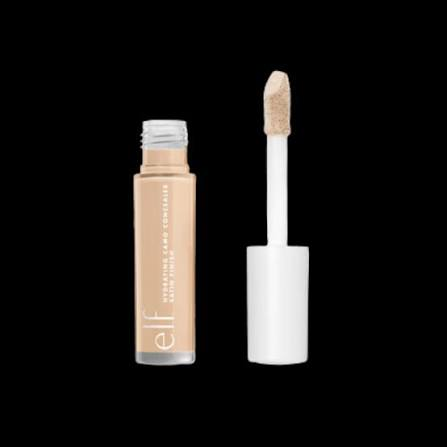
Hydrating concealer is a makeup product designed to cover dark circles, blemishes, and uneven skin tone while helping the skin look moisturized and smooth. Unlike some heavier concealers that can emphasize dry patches, hydrating formulas often have creamy or serum-like textures that blend comfortably into the skin. They are especially popular among people who want a fresh, radiant finish without making their makeup look cakey.
Choosing the right hydrating concealer depends on your skin type, coverage preferences, and the areas you want to conceal. Ingredients such as hyaluronic acid can help attract and retain moisture, while lightweight formulas can create a more natural-looking finish. Understanding these features can help you select a concealer that complements your skincare routine and delivers the appearance you want.
Quick Facts About Hydrating Concealer
| Feature | Details |
|---|---|
| Product Type | Face makeup |
| Main Purpose | Conceal imperfections and improve the appearance of skin tone |
| Best For | Dry skin and dehydrated under-eyes |
| Common Formula | Liquid, cream, or serum |
| Key Ingredients | Hyaluronic acid, glycerin, and moisturizing agents |
| Coverage | Light, medium, or full, depending on formula |
| Finish | Natural, radiant, or dewy |
| Common Uses | Dark circles, blemishes, redness, and dark spots |
| Application Tools | Fingers, makeup sponge, or concealer brush |
| Suitable Skin Types | Depends on the product formulation |
| Popular Example | L’Oréal Paris True Match Radiant Serum Concealer |
| Main Benefit | A smoother-looking finish without emphasizing dryness |
What Is Hydrating Concealer and How Does It Work?
Hydrating concealer combines the color pigments used in conventional concealers with ingredients intended to help maintain skin moisture. It works by covering the appearance of discoloration and imperfections while creating a more comfortable, skin-like finish. Some formulas also contain skincare ingredients, making them useful for people who want coverage and hydration in one product.
The main difference between hydrating concealer and a traditional matte concealer is the formula and finish. Hydrating versions are often creamy, lightweight, or serum-based, while matte formulas may be designed to control shine and provide longer-lasting coverage. Neither type is automatically better for everyone; the ideal choice depends on individual skin needs and the desired makeup look.
A hydrating concealer does not replace a moisturizer or treat every cause of dark circles. Instead, it improves the appearance of the skin while it is being worn. Products containing ingredients such as hyaluronic acid can help support hydration, but results vary by formula, application, and skin condition.
Benefits of Using Hydrating Concealer
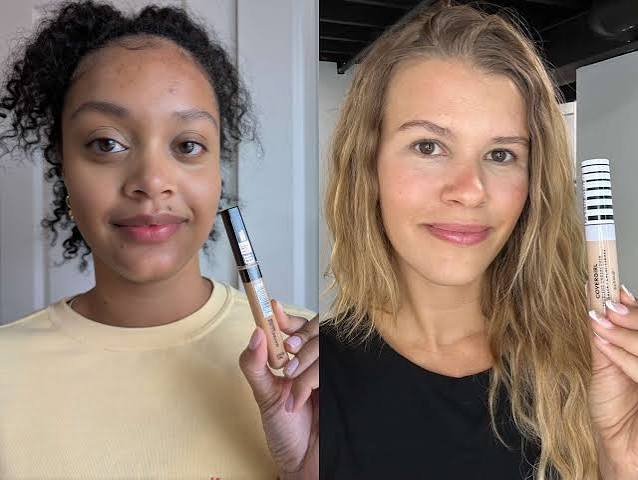
One major benefit of hydrating concealer is that it can make dry areas look smoother. Traditional formulas that dry down quickly may emphasize flaky patches or fine lines, particularly around the eyes. A more flexible, moisturizing formula can blend more naturally and help prevent makeup from looking heavy or uneven.
Hydrating concealer can also help disguise dark circles, mild redness, blemishes, and uneven pigmentation. Choosing the correct shade is important because a concealer that is too light or too dark may make discoloration more noticeable. For under-eye brightening, a shade slightly lighter than the skin tone may work well, while concealing blemishes usually requires a closer match.
Another advantage is versatility. Many liquid and serum concealers can be used beneath the eyes, around the nose, on dark spots, and on other areas that need additional coverage. Some can also be used for highlighting or subtle contouring. Applying small amounts and blending gradually helps create a more natural finish without unnecessary product buildup.
Best Hydrating Concealer for Dry Skin
People with dry skin often benefit from concealers that contain moisturizing ingredients and have a creamy or serum-like texture. One example is L’Oréal Paris True Match Radiant Serum Concealer, which combines medium coverage with a radiant finish. Its formula includes hyaluronic acid and caffeine and is designed to conceal dark circles while improving the appearance of puffiness and dryness.
Hyaluronic acid is a moisture-binding ingredient commonly used in skincare and cosmetics. Caffeine is frequently included in eye products intended to reduce the appearance of puffiness temporarily. These ingredients serve different purposes, and the overall performance depends on the complete formulation rather than any single ingredient.
When choosing a hydrating concealer, consider more than the product name or advertising claims. Look at the ingredient list, shade range, coverage, finish, and compatibility with your existing skincare products. If you have sensitive skin, patch-test a new product and discontinue use if irritation occurs. People with oily skin may prefer a lightweight, long-wearing formula that does not leave the complexion excessively shiny.
How to Choose the Right Hydrating Concealer Shade
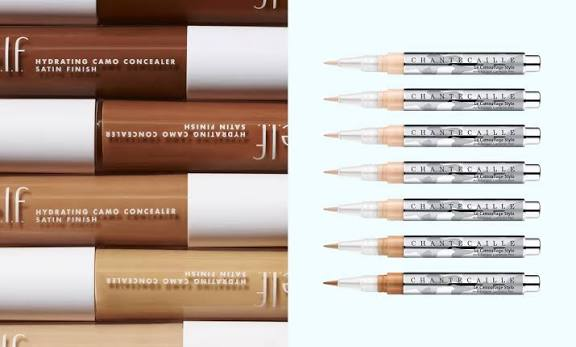
Choosing the right concealer shade begins with understanding your skin tone and undertone. Skin tone describes how light or deep your complexion is, while undertone generally refers to warm, cool, or neutral coloring. A suitable match blends naturally with the surrounding skin rather than creating a visible patch.
For covering blemishes, redness, or dark spots, select a shade close to your natural skin tone or foundation. For brightening the under-eye area, a shade approximately one shade lighter may create a refreshed appearance without looking too pale. Choosing a shade that is dramatically lighter can emphasize texture and make the makeup look unnatural.
Whenever possible, test shades in natural light. Apply a small amount and allow it to settle before judging the color, since the appearance can change as the product dries. If you cannot test a concealer in person, use the brand’s shade guidance and compare available swatches with your complexion. Remember that online images may display colors differently depending on lighting and screen settings.
How to Apply Hydrating Concealer for a Smooth Finish
Start with clean skin and apply a suitable moisturizer. Allow the moisturizer to absorb before applying makeup, especially around the eyes, where excess product can contribute to creasing. If you use sunscreen during the day, apply it as part of your usual skincare routine and allow it to settle before moving on to makeup.
Apply a small amount of concealer to the areas that need coverage. For dark circles, place a few small dots beneath the eyes and blend gently using a clean fingertip, soft brush, or damp makeup sponge. For blemishes, apply the product directly to the affected area and blend only the edges so that you preserve coverage where it is needed.
Use thin layers rather than applying a thick coating all at once. If additional coverage is necessary, add a little more product after blending the first layer. A light dusting of setting powder can help reduce creasing or movement, but too much powder may undermine the hydrated finish. Choose the amount of powder according to your skin type and the look you want to achieve.
Common Mistakes to Avoid When Using Hydrating Concealer
One common mistake is applying too much concealer in an attempt to hide every imperfection. Excess product can collect in fine lines, become difficult to blend, and make the skin look cakey. Starting with a small amount and building coverage gradually usually produces a more natural result.
Another mistake is skipping skincare preparation. Even a concealer marketed for dry skin may look patchy if applied over flaky or dehydrated skin. Gentle cleansing and appropriate moisturizing can improve the makeup base. Avoid harsh scrubbing around the delicate eye area, and do not apply products that cause burning or irritation.
Choosing the wrong formula can also affect the result. A very radiant concealer may feel too rich on oily skin, while a strongly matte product may emphasize dryness. Similarly, selecting a shade based only on online photographs can lead to a poor match. Consider your skin type, desired finish, and intended use before making a purchase.
Conclusion
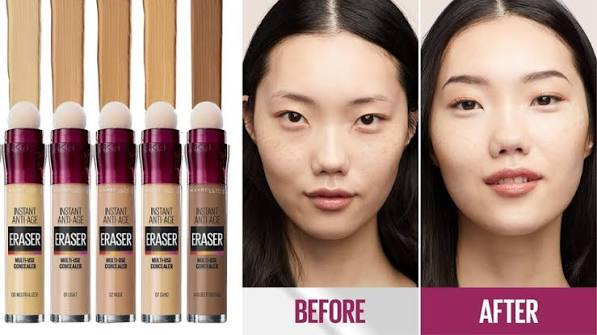
Hydrating concealer is a useful makeup option for people who want to cover dark circles, blemishes, and uneven skin tone while maintaining a fresh, moisturized appearance. Creamy and serum-based formulas can be particularly helpful for dry skin and dehydrated under-eyes, although the best product depends on individual preferences and skin needs.
For the best results, choose a suitable shade, prepare your skin with moisturizer, and apply the concealer in thin layers. Ingredients such as hyaluronic acid may support hydration, while a carefully selected formula can help create a smooth and natural-looking finish. With the right product and application technique, hydrating concealer can become a versatile part of an everyday makeup routine.
