



Compliance monitoring is an essential part of modern business risk management because it helps organizations determine whether their policies, procedures, controls, and daily activities are operating according to applicable laws, regulations, internal standards, and industry requirements. A strong compliance monitoring program does more than identify violations after they happen; it provides an ongoing way to detect weaknesses, measure control effectiveness, document findings, and support corrective action. This is especially important for banks, financial institutions, healthcare organizations, insurance companies, technology businesses, and other highly regulated industries where Compliance monitoring failures can result in financial losses, regulatory action, reputational damage, or operational disruption. Modern compliance monitoring increasingly combines risk-based reviews, control testing, centralized documentation, automated workflows, data analysis, and real-time reporting to help organizations move from reactive compliance management toward continuous oversight.
Quick Facts About Compliance Monitoring
| Quick Fact | Details |
|---|---|
| Meaning | Ongoing oversight of compliance with laws, regulations, policies, and controls |
| Main Purpose | Identify compliance gaps, weaknesses, and potential violations |
| Common Users | Banks, financial institutions, healthcare, insurance, corporations, and regulated businesses |
| Key Activities | Monitoring, control testing, reviews, assessments, reporting, and remediation |
| Approach | Usually risk-based and tailored to the organization |
| Related Process | Compliance testing, internal audit, risk management, regulatory change management |
| Monitoring Frequency | Continuous, periodic, or risk-based depending on the activity |
| Common Evidence | Reports, workpapers, questionnaires, transaction samples, policies, and control records |
| Technology | Compliance software, dashboards, automation, analytics, and AI-assisted tools |
| Main Benefit | Earlier identification and resolution of compliance problems |
| Important Outcome | Better control effectiveness, accountability, and regulatory readiness |
What Is Compliance Monitoring?
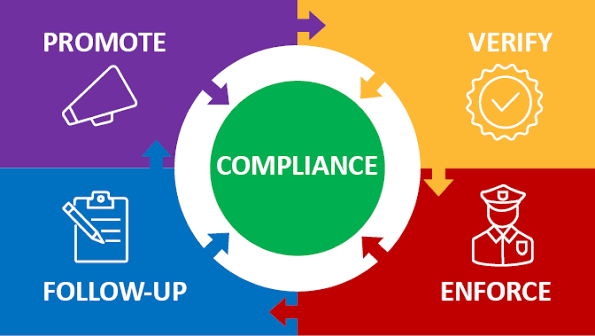
Compliance monitoring is the process of continuously or periodically reviewing an organization’s activities to determine whether they are being performed according to applicable requirements. These requirements may come from government regulators, industry standards, contractual obligations, internal policies, or other rules that apply to the organization.
The basic idea is straightforward. A company establishes policies and controls to manage compliance risks, and monitoring checks whether those controls are actually working in practice. If a monitoring review identifies a weakness, the organization can investigate the issue, determine its cause, assign responsibility, and take corrective action.
Compliance monitoring is particularly important in regulated industries because organizations may have hundreds or thousands of requirements affecting different departments. Without an organized monitoring process, it can be difficult to know whether employees and business units are consistently following the organization’s compliance framework.
A mature compliance monitoring program therefore becomes an ongoing feedback system. Instead of waiting for an external examination, complaint, incident, or regulatory investigation to reveal a problem, organizations can identify weaknesses internally and address them earlier.
Why Is Compliance Monitoring Important?
The importance of compliance monitoring comes from the potential consequences of failing to meet regulatory and internal requirements. A compliance failure can involve incorrect customer information, inadequate documentation, inappropriate transactions, privacy problems, weak internal controls, employee conduct issues, or failure to follow required procedures.
For financial institutions, compliance monitoring can cover areas such as customer due diligence, lending, consumer protection, transaction activity, complaints, regulatory reporting, and other obligations. A monitoring program helps management understand whether controls designed to address these areas are operating as intended.
Compliance monitoring also supports accountability. When responsibilities, testing schedules, findings, and corrective actions are documented, management can see who owns a particular compliance activity and whether identified problems are being resolved. This creates a clearer connection between detecting an issue and actually correcting it.
Another major benefit is organizational awareness. Monitoring results can reveal patterns that are not obvious when individual issues are considered separately. Several small exceptions, for example, may indicate a larger weakness in training, policy design, technology, or management oversight.
Compliance Monitoring vs. Compliance Testing
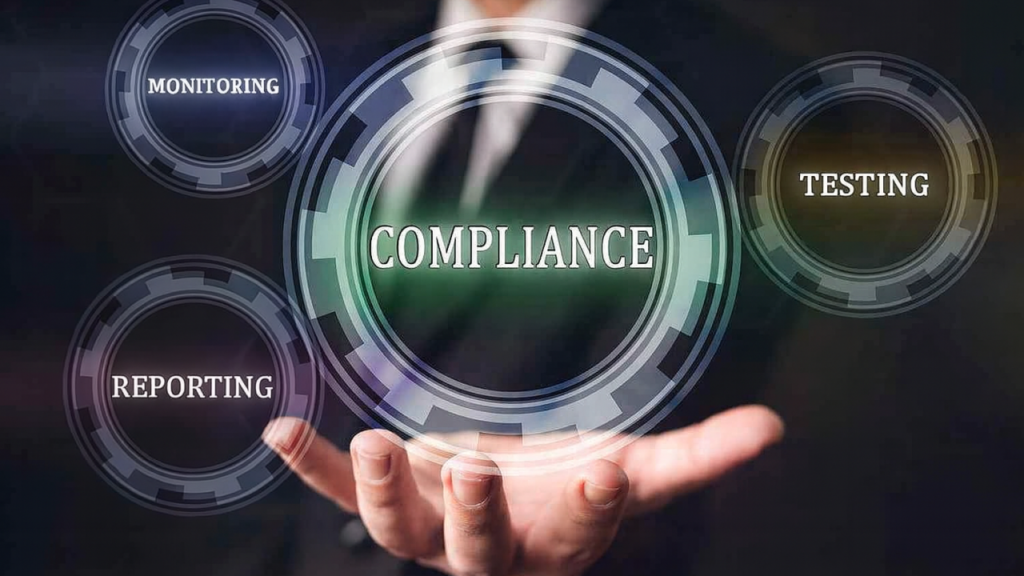
Compliance monitoring and compliance testing are closely connected, but they are not exactly the same activity. Monitoring generally involves ongoing oversight of compliance activities and controls, while testing is a more structured examination designed to determine whether a particular control or process operates effectively.
Monitoring may include reviewing transactions, checking documentation, tracking exceptions, examining operational activities, or observing whether required procedures are being followed. It can provide frequent information about what is happening within the organization.
Compliance testing typically involves a defined scope, methodology, sample, testing criteria, evidence collection, and documented conclusion. The objective is to determine whether a control or compliance requirement is functioning as designed.
Organizations often use both processes together. Monitoring provides continuing visibility, while structured testing provides deeper verification. When these activities are connected to the organization’s compliance risk assessment, higher-risk areas can receive more frequent or detailed attention.
This distinction is important because a business may technically have compliance controls in place without knowing whether those controls are effective. Monitoring and testing provide evidence that helps answer that question.
How Does a Compliance Monitoring Program Work?
A compliance monitoring program usually begins with an understanding of the organization’s compliance risks. Different business activities have different levels of exposure, so monitoring should be designed around the areas where compliance failures could have the greatest impact.
Once risks are identified, the organization can determine which regulations, policies, controls, processes, and business units need to be monitored. A monitoring plan can then establish the scope, frequency, responsible teams, review methodology, documentation requirements, and reporting process.
The next stage involves collecting evidence. Depending on the area being reviewed, evidence might include customer files, transaction records, employee questionnaires, policies, procedures, training records, system reports, control documentation, or other business records.
After the review, the compliance team evaluates the evidence and identifies exceptions or weaknesses. Findings should be documented clearly so that management can understand what happened, which requirement or control was affected, how significant the issue is, and what action is necessary.
The final stage is remediation and follow-up. Corrective actions should be assigned to responsible individuals or departments, given appropriate deadlines, and monitored until completion. Where necessary, follow-up testing can determine whether the corrective action actually solved the original problem.
Risk-Based Compliance Monitoring
A risk-based approach is one of the most important concepts in effective compliance monitoring. Not every regulation, process, transaction, or business unit presents the same level of risk, so monitoring resources should not necessarily be distributed equally.
An organization can evaluate factors such as regulatory importance, historical findings, transaction volume, customer risk, changes in business operations, complaints, previous audit results, control effectiveness, and emerging risks. Higher-risk areas may then receive more frequent monitoring or more detailed testing.
This approach helps compliance teams use their limited resources efficiently. Instead of spending the same amount of time reviewing every possible activity, teams can focus greater attention on areas where weaknesses could have more significant consequences.
Risk-based monitoring should also change over time. A business activity that was considered low risk several years ago may become more important after a regulatory change, technology implementation, product launch, acquisition, customer-base change, or previous compliance finding.
Key Components of Effective Compliance Monitoring
An effective compliance monitoring program needs clearly defined responsibilities. Employees and departments should understand who owns each requirement, who performs monitoring, who reviews findings, and who is responsible for remediation.
Policies and procedures are another essential component. Monitoring cannot work effectively when the organization does not have clear standards against which activities can be measured. Policies should explain expectations, while procedures should provide practical guidance for employees.
Documentation is equally important. Compliance teams should maintain sufficient evidence to demonstrate what was reviewed, how it was reviewed, what information was considered, what findings were identified, and how those findings were addressed.
A strong program also needs appropriate reporting. Management should receive information that helps them understand significant compliance risks, open issues, overdue corrective actions, recurring findings, and trends. Reporting should be understandable rather than simply producing large amounts of data.
Finally, an effective program needs follow-through. Identifying a compliance problem is only one part of the process. The organization must determine why the problem occurred, correct it, and verify that the corrective action remains effective.
Common Challenges in Compliance Monitoring
One of the biggest challenges is the amount of administrative work involved. Traditional monitoring programs may depend heavily on spreadsheets, emails, shared documents, manual questionnaires, and separate databases. As the number of compliance activities increases, managing this information manually can become difficult.
Another challenge is fragmented information. Compliance teams may need to collect data from multiple departments and systems before completing a single review. If information is stored in different locations, employees can spend significant time searching for documents rather than analyzing compliance risks.
Inconsistent monitoring methodologies can create another problem. If different teams use different testing approaches, management may struggle to compare results across business units. Standardized procedures and clearly documented methodologies can improve consistency.
Follow-up is also frequently challenging. Organizations may identify problems but fail to track corrective actions effectively. An issue that appears to be closed may still require validation to confirm that the underlying weakness has actually been corrected.
The Role of Compliance Monitoring Software
Compliance monitoring software can help organizations organize and automate many parts of the monitoring process. Instead of managing schedules, questionnaires, evidence, findings, and corrective actions across disconnected spreadsheets and email conversations, organizations can centralize these activities within a compliance platform.
Modern compliance platforms can support test scheduling, workflow management, evidence collection, task assignments, notifications, reporting, and issue tracking. Centralized systems can also make it easier for management to see the status of compliance activities across departments.
Automation can reduce repetitive administrative work. For example, a system may automatically notify employees about upcoming testing tasks, remind responsible users about overdue actions, and maintain records of completed activities.
Technology can also improve visibility. Dashboards can provide management with information about open findings, completed reviews, overdue actions, and compliance activity across the organization. This can help leadership identify areas that require additional attention.
However, software should support a compliance program rather than replace professional judgment. A technology platform can organize information and automate workflows, but qualified compliance professionals still need to determine appropriate monitoring scope, interpret findings, evaluate risk, and decide what corrective actions are necessary.
Continuous Compliance Monitoring
Traditional compliance programs often rely on periodic reviews. While periodic monitoring remains useful, technology has made it increasingly possible to move toward more continuous oversight.
Continuous compliance monitoring involves using ongoing data, alerts, control information, or automated checks to identify potential compliance problems closer to the time they occur. This can be particularly valuable in environments where transactions and operational activities happen continuously.
For example, a financial institution may monitor certain transactions or control indicators to identify unusual patterns. A business might also use automated checks to determine whether required approvals, documentation, or procedures are being completed.
Continuous monitoring does not necessarily mean that every compliance activity must be monitored every second. Instead, it means organizations can use available data and technology to increase the frequency and timeliness of oversight where appropriate.
This approach can help compliance teams move from simply reporting historical problems toward identifying emerging issues and responding to them earlier.
Compliance Monitoring in Financial Services
Financial institutions face particularly complex compliance requirements because they operate within highly regulated environments. Banks, credit unions, lenders, investment businesses, and other financial organizations may need to monitor customer relationships, transactions, lending activities, consumer protection requirements, financial crime controls, complaints, and regulatory obligations.
Customer due diligence is one important example. Organizations need appropriate processes and controls to understand customers and manage financial crime risks. Compliance monitoring can review whether employees are following required procedures and whether documentation supports the decisions being made.
Compliance monitoring can also examine whether corrective actions from previous findings have remained effective. A problem should not simply be marked as resolved because a policy was changed or an employee completed a task. Follow-up testing may be necessary to determine whether the underlying risk has actually been reduced.
Regulators increasingly expect organizations to demonstrate not only that policies exist but also that controls are functioning effectively. This makes documented monitoring and testing an important part of a mature financial compliance program.
Artificial Intelligence and Compliance Monitoring
Artificial intelligence is increasingly being explored as a tool for compliance monitoring. AI and advanced analytics can help organizations process large amounts of information, identify patterns, prioritize potential exceptions, and support regulatory change activities.
For example, AI-assisted systems may help classify information, analyze documents, identify unusual activity, or organize regulatory requirements. These capabilities can reduce some of the manual workload faced by compliance teams.
However, AI also introduces new risks. Organizations need appropriate governance, human oversight, data quality controls, testing, documentation, and validation when AI is used for compliance-related decisions. Automated output should not automatically be treated as correct simply because it was produced by an advanced system.
The most useful role for AI is often as an additional capability for compliance professionals rather than a complete replacement for human judgment. Compliance teams still need to understand the regulatory context, investigate significant findings, challenge automated results when necessary, and make accountable decisions.
Compliance Monitoring and Regulatory Change
Regulations do not remain static. Governments and regulators regularly issue new requirements, update existing rules, publish guidance, and change supervisory expectations. This creates an ongoing challenge for organizations that need to determine which regulatory changes affect their operations.
Regulatory change management and compliance monitoring therefore work closely together. When a new requirement becomes applicable, organizations may need to update policies, procedures, training, controls, risk assessments, and monitoring activities.
A strong compliance program maintains connections between regulatory obligations and internal controls. This makes it easier to determine whether a regulatory change requires a new monitoring activity or changes the scope of an existing test.
Technology can make this process more manageable by helping organizations maintain regulatory inventories, document applicability assessments, track changes, and connect affected policies or controls to monitoring activities.
How to Improve Compliance Monitoring
Improving compliance monitoring begins with understanding the organization’s actual risk profile. A monitoring program should not simply repeat last year’s schedule without considering changes in products, customers, regulations, technology, operations, and previous findings.
Organizations should also establish clear testing methodologies. Reviewers need to understand what they are testing, why the test matters, how samples are selected, what evidence is required, and how conclusions should be documented.
Data quality is another important factor. Monitoring results are only as reliable as the information used to produce them. Organizations should therefore consider where compliance data comes from, whether it is complete, and whether systems are providing consistent information.
Finally, organizations should measure whether monitoring actually improves compliance. Useful indicators can include recurring findings, remediation time, overdue corrective actions, control failures, testing coverage, and trends across business units.
The goal is not to produce the largest number of monitoring reports. The goal is to create a process that identifies meaningful risks, supports informed management decisions, and helps the organization maintain effective controls.
Conclusion
Compliance monitoring is a fundamental part of an effective compliance and risk management framework. It provides organizations with a structured way to observe activities, evaluate controls, identify weaknesses, document findings, and track corrective action. While traditional monitoring often relied on spreadsheets, emails, and manual reviews, modern compliance programs increasingly use centralized software, automation, data analytics, and risk-based methodologies to improve efficiency and visibility. Compliance monitoring and compliance testing work together to provide both ongoing oversight and structured verification of controls. As regulations become more complex and organizations generate larger amounts of operational data, effective monitoring will remain essential for maintaining accountability, reducing compliance risk, and keeping business activities aligned with regulatory and internal requirements.
