


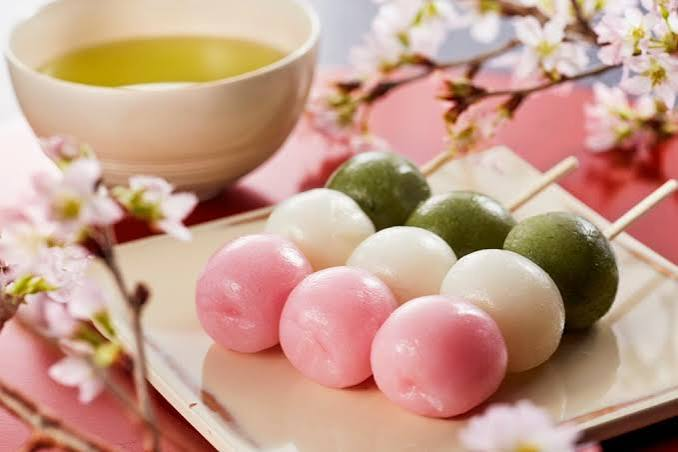
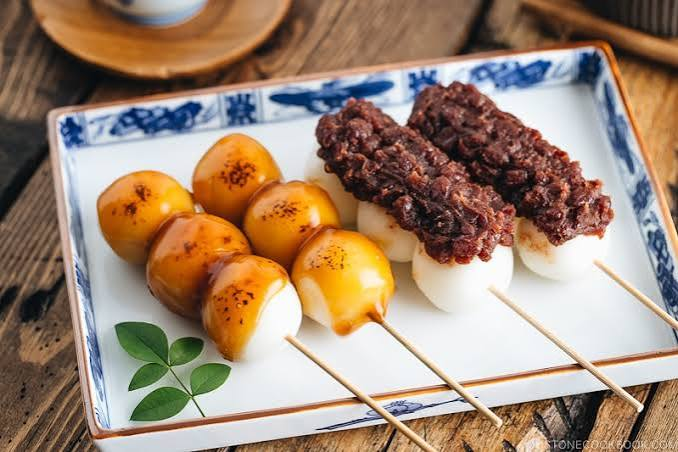
Dango is a traditional Japanese sweet made from small, chewy rice flour dumplings served on bamboo skewers with different toppings and sauces. This popular Japanese treat is loved for its soft texture, simple ingredients, and beautiful presentation. Dango is commonly enjoyed during Japanese festivals, tea ceremonies, seasonal celebrations, and family gatherings. One of the most famous varieties is Mitarashi Dango, which features grilled rice dumplings covered in a sweet and savory soy sauce glaze. Making Dango at home is surprisingly easy because the recipe requires only a few basic ingredients. Whether you enjoy Japanese desserts or want to explore traditional Asian sweets, homemade Dango is a delicious treat worth trying.
Quick Facts About Dango
| Category | Details |
|---|---|
| Recipe Name | Japanese Dango |
| Cuisine | Japanese |
| Main Ingredients | Rice Flour, Water, Sugar |
| Preparation Time | 15 Minutes |
| Cooking Time | 15 Minutes |
| Total Time | 30 Minutes |
| Servings | 4 People |
| Cooking Method | Boiling or Grilling |
| Difficulty Level | Easy |
| Texture | Soft and Chewy |
| Taste | Mildly Sweet |
| Popular Variation | Mitarashi Dango |
| Best Served | Warm or at Room Temperature |
What Is Dango?
Dango is a traditional Japanese confection made from small round dumplings prepared using rice flour and water. These dumplings are usually shaped into balls, boiled until cooked, and placed on bamboo skewers. Depending on the variety, they may be served plain, grilled, covered in sweet sauces, or coated with flavorful toppings.
Dango has a long history in Japanese food culture and is closely connected with seasonal festivals and traditional celebrations. It is commonly enjoyed alongside green tea and other Japanese sweets. Its simple appearance makes it look similar to small dough balls, but its chewy texture gives it a unique character.
Different regions of Japan have their own Dango traditions. Some varieties are sweet and colorful, while others feature savory sauces or roasted flavors. Mitarashi Dango is particularly popular because of its glossy soy sauce glaze, which combines sweetness with a gentle salty taste.
Ingredients Needed to Make Japanese Dango
The traditional Dango recipe requires only a few ingredients, making it an affordable and convenient Japanese dessert to prepare at home. The most important ingredient is rice flour, which gives the dumplings their characteristic texture. You can use a Japanese rice flour such as joshinko or a suitable sweet rice flour product, depending on the texture you prefer.
For a basic recipe, prepare one cup of rice flour, approximately half a cup of warm water, and two tablespoons of sugar. You may need slightly more or less water depending on the flour. The dough should become soft, smooth, and easy to shape without sticking excessively to your hands.
For the Mitarashi sauce, prepare two tablespoons of soy sauce, four tablespoons of sugar, one tablespoon of mirin, half a cup of water, and one tablespoon of cornstarch. These ingredients create the sweet and savory glaze that makes this variety especially delicious.
You will also need bamboo skewers for serving. Optional ingredients include matcha powder, red bean paste, sesame seeds, and food coloring if you want to prepare different varieties of Japanese Dango.
How to Prepare the Dango Dough
Start by placing the rice flour and sugar in a large mixing bowl. Mix the dry ingredients together so that the sugar is evenly distributed throughout the flour. Gradually add warm water while mixing with a spoon or your hands.
Continue adding water slowly until the mixture begins to form a soft dough. Avoid pouring all the water in at once because different rice flour varieties absorb liquid differently. The dough should be smooth and flexible rather than wet or crumbly.
Knead the mixture gently until all the ingredients are combined. A good Dango dough should feel similar to soft modeling clay. If it is too dry, add a little more water. If it becomes too sticky, add a small amount of rice flour.
Once the dough reaches the correct consistency, divide it into equal portions. Roll each portion between your palms to create small, smooth balls. Try to keep the dumplings approximately the same size so they cook evenly.
Step-by-Step Method for Cooking Dango
Fill a medium-sized saucepan with water and bring it to a gentle boil over medium heat. Carefully place the prepared rice balls into the boiling water, making sure not to overcrowd the pan. Cook them in batches if necessary.
Initially, the dumplings will sink to the bottom of the saucepan. As they cook, they will gradually rise to the surface. Once they float, allow them to cook for another two minutes to ensure that the centers are properly cooked.
Remove the cooked dumplings using a slotted spoon and transfer them into a bowl of cold water. This helps stop the cooking process and allows the dumplings to maintain their shape. Once they have cooled slightly, drain them thoroughly.
Thread three or four dumplings onto each bamboo skewer. Arrange them neatly so that they look attractive when served. At this stage, the Dango can be enjoyed plain or prepared with your favorite Japanese toppings.
How to Make Traditional Mitarashi Dango Sauce
Mitarashi sauce is one of the most popular toppings for Japanese Dango. It is a glossy glaze with a delicious balance of sweetness and saltiness. Its rich flavor complements the mild taste of the rice dumplings and makes the dessert especially enjoyable.
To prepare the sauce, combine soy sauce, sugar, mirin, and water in a small saucepan. Stir the ingredients together over medium heat until the sugar dissolves completely. In a separate small bowl, mix cornstarch with a little cold water to create a smooth slurry.
Slowly pour the cornstarch mixture into the saucepan while stirring continuously. Continue cooking until the sauce becomes thick, glossy, and smooth. Avoid adding too much cornstarch because the glaze should coat the dumplings without becoming excessively thick.
Once the sauce reaches the desired consistency, remove it from the heat. Brush or spoon the warm glaze over the cooked Dango skewers. Make sure every dumpling receives an even coating for the best flavor and appearance.
Different Types of Japanese Dango
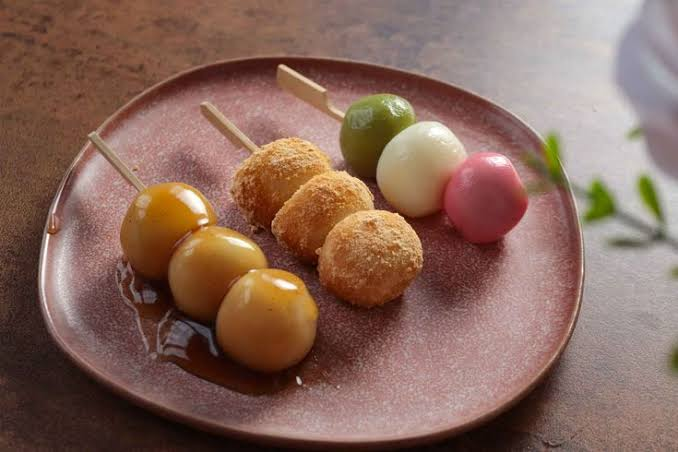
Japanese Dango comes in several varieties, each offering a different combination of flavor, texture, and presentation. Mitarashi Dango is one of the best-known types and is usually served with a sweet soy sauce glaze. It is sometimes lightly grilled before the sauce is added, creating a pleasant roasted aroma.
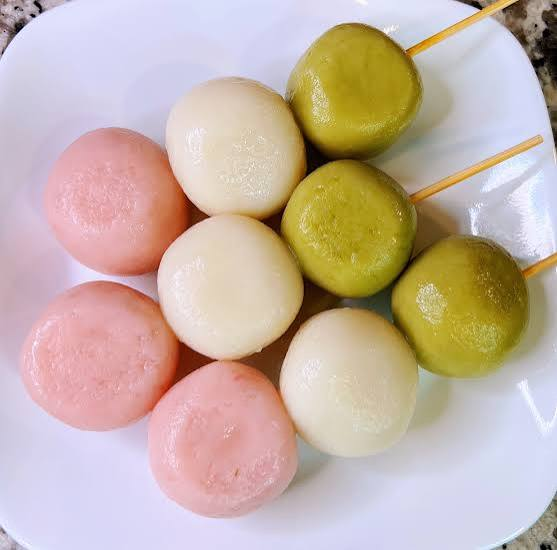
Hanami Dango is another famous variety traditionally associated with cherry blossom viewing. It usually features three colorful dumplings on one skewer: pink, white, and green. These colors represent the beauty of spring and make the dessert particularly attractive during seasonal celebrations.
Anko Dango is served with sweet red bean paste, while Goma Dango features a sesame-based topping. Some varieties are covered with roasted soybean flour called kinako, which provides a nutty flavor and pleasant aroma.
You can also find Kibi Dango, a traditional Japanese sweet made using millet flour or related grain ingredients, depending on the regional preparation. Each variety reflects the creativity and diversity of Japanese dessert culture.
Tips for Making Soft and Chewy Dango at Home
Getting the right texture is the most important part of preparing delicious Dango. The dough should be soft and smooth before shaping. If it is too dry, the dumplings may develop cracks during cooking. If it contains too much water, they may become difficult to handle and lose their round shape.
Use warm water gradually instead of adding it all at once. This gives you better control over the consistency. Make sure the dumplings are approximately equal in size because larger pieces require more cooking time than smaller ones.
Do not overcrowd the saucepan while boiling the rice balls. Cooking them in smaller batches helps maintain a steady temperature and allows them to cook evenly. Once the dumplings float, give them additional cooking time to ensure the centers are not raw.
For extra flavor, lightly grill the boiled Dango before adding the sauce. A nonstick pan or grill pan works well for this purpose. Turn the skewers occasionally until the outside develops light golden marks. This simple step creates a delicious contrast between the roasted exterior and chewy interior.
How to Serve and Store Japanese Dango
Dango is best enjoyed fresh because its texture is soft and pleasantly chewy immediately after preparation. Serve the dumplings on bamboo skewers with Mitarashi sauce, sweet red bean paste, or roasted soybean flour. A cup of Japanese green tea makes an excellent accompaniment.
For a colorful presentation, prepare different varieties and arrange them on a serving plate. Hanami Dango is particularly attractive because of its pink, white, and green colors. You can also garnish the dumplings with sesame seeds or a small amount of matcha powder.
If you have leftovers, place the dumplings in an airtight container and refrigerate them promptly. However, refrigeration can make rice-based dumplings firm and less chewy. For the best texture, enjoy them on the same day.
To soften refrigerated Dango, gently steam the dumplings for a few minutes or warm them carefully in a microwave with a little moisture. Avoid overheating because this can make the texture unpleasant. It is generally better to prepare smaller fresh batches rather than storing them for several days.
Common Mistakes to Avoid When Making Dango
One common mistake is using the wrong type of flour without adjusting the recipe. Different rice flours produce different textures, so it is important to understand whether you are using regular rice flour or glutinous rice flour. Traditional Japanese Dango often uses a combination of rice flours or specific varieties to achieve its familiar chewy consistency.
Another mistake is adding too much water to the dough. Excess moisture makes the mixture sticky and difficult to shape. Always add water gradually until the dough becomes smooth and manageable.
Some people remove the dumplings immediately after they float to the surface. However, allowing them to cook for a little longer helps ensure that the centers are fully cooked. Similarly, skipping the cooling step can make them harder to handle when threading onto skewers.
Finally, avoid making the Mitarashi sauce too thick or too salty. A balanced glaze should be smooth, shiny, and easy to spread. Following these simple tips will help you prepare beautiful Japanese Dango with a delicious homemade flavor.
Conclusion
Dango is a wonderful traditional Japanese dessert that combines simple ingredients with a unique soft and chewy texture. Whether you choose classic Mitarashi Dango, colorful Hanami Dango, or a version topped with sweet red bean paste, this Japanese treat offers plenty of delicious possibilities.
The recipe is easy to customize and does not require expensive ingredients or special cooking equipment. By preparing the dough carefully, boiling the dumplings correctly, and choosing flavorful toppings, you can enjoy homemade Japanese Dango whenever you like. Serve it fresh with green tea and experience one of Japan’s most beloved traditional sweets.
