


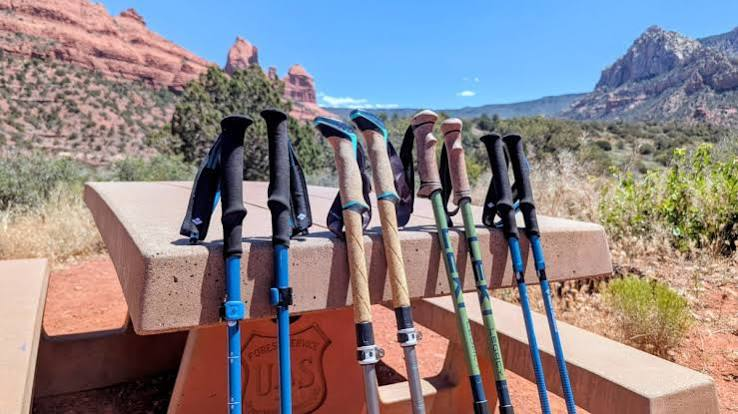
Hiking is an enjoyable outdoor activity, but walking on steep mountains, rocky paths, slippery trails, and uneven surfaces can be physically demanding. Having the right equipment can make a significant difference in comfort, balance, and overall hiking performance. One of the most useful accessories for outdoor adventures is a good pair of hiking poles. They provide additional support, improve stability, and help hikers maintain a comfortable walking rhythm across different types of terrain.
The best hiking poles are designed to make outdoor journeys easier, whether someone is exploring a local nature trail, climbing a mountain, or completing a multi-day backpacking adventure. Modern trekking poles come in different materials, designs, lengths, and weight categories. Some are designed for beginners, while others are built for experienced hikers who need lightweight equipment for demanding journeys. Understanding their features can help you choose a reliable pair that matches your hiking style and outdoor needs.
Quick Facts: Best Hiking Poles
| Feature | Details |
|---|---|
| Product Category | Hiking and Trekking Equipment |
| Main Purpose | Balance, stability, and support |
| Popular Materials | Aluminum and Carbon Fiber |
| Grip Materials | Cork, Foam, and Rubber |
| Common Designs | Folding and Telescoping |
| Locking Systems | Lever Lock, Twist Lock, Push Button |
| Best for Beginners | Adjustable Aluminum Poles |
| Best for Backpacking | Lightweight Folding Poles |
| Best for Durability | Strong Aluminum Poles |
| Best for Long Hikes | Comfortable Ergonomic Grips |
| Common Accessories | Rubber Tips, Baskets, Wrist Straps |
| Suitable Activities | Hiking, Trekking, Backpacking, and Walking |
1. What Are Hiking Poles and Why Are They Important?
Hiking poles, also known as trekking poles, are lightweight walking supports designed to help people move comfortably across outdoor terrain. They are generally used in pairs, with one pole held in each hand. Their main purpose is to provide extra points of contact with the ground, helping hikers maintain balance while walking over rocks, roots, mud, loose gravel, and steep paths. They are especially useful when carrying a heavy backpack because they allow the upper body to participate more actively in walking. best hiking poles.
Another important benefit of hiking poles is that they can help reduce the amount of pressure placed on the lower body during certain movements. When walking downhill, hikers often experience additional stress around their knees and legs. Properly adjusted trekking poles can help distribute some of the physical effort through the arms and upper body. They can also provide confidence when crossing small streams, navigating narrow paths, or walking on uneven surfaces. Although they do not eliminate the risk of falling or injury, they can make many hiking experiences more comfortable and controlled. best hiking poles.
2. Best Hiking Poles for Different Outdoor Adventures
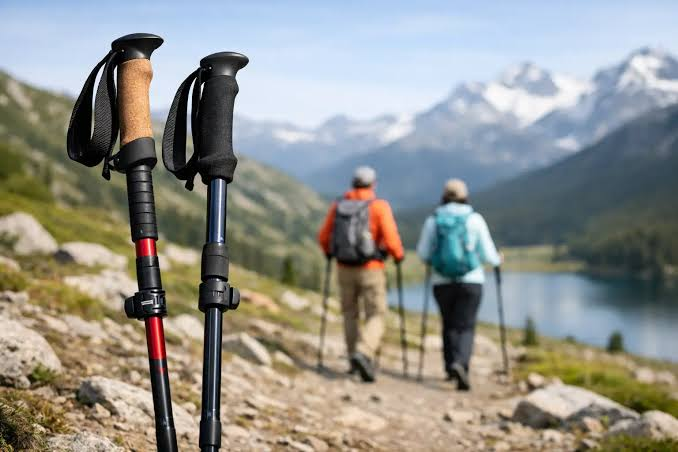
Choosing the best hiking poles depends on the type of outdoor activity you enjoy. For everyday hiking, adjustable aluminum poles are a practical choice because they offer a good balance of strength, affordability, and versatility. They are suitable for beginners who want dependable equipment without spending too much money. Their adjustable construction also makes it easier to change the length when moving between flat trails, uphill sections, and downhill paths. best hiking poles.
For experienced hikers and backpackers, lightweight carbon fiber poles can be an attractive option. These poles are designed for people who want to reduce the weight of their outdoor equipment, especially during long-distance journeys. Folding models are also popular among trail runners and travelers because they can be packed into backpacks when not needed. Brands such as Black Diamond, LEKI, MSR, and REI offer different trekking pole designs for various outdoor activities. The right choice depends on personal comfort, budget, terrain, and the amount of equipment you plan to carry. best hiking poles.
3. Aluminum vs. Carbon Fiber Hiking Poles
Aluminum hiking poles are widely appreciated for their durability and practical design. They are generally more affordable than carbon fiber alternatives and can handle demanding outdoor conditions. When aluminum experiences excessive pressure, it may bend rather than immediately break, which can sometimes allow hikers to continue using the pole. This makes aluminum a sensible option for people exploring rocky mountains, forest trails, and challenging backpacking routes. Although these poles can be slightly heavier, many hikers consider the additional weight worthwhile for everyday reliability. best hiking poles.
Carbon fiber hiking poles are designed for people who prioritize lightweight equipment. Carrying lighter poles can make a difference during long hikes, particularly when every small amount of weight matters. Carbon fiber also absorbs some trail vibration, which can improve the overall walking experience. However, carbon fiber poles may be more vulnerable to sudden impacts and certain types of concentrated stress. Their prices can also be higher. Before choosing between these materials, consider your hiking environment, personal preferences, and how frequently you plan to use your trekking poles. best hiking poles.
4. Folding and Telescoping Hiking Poles
Folding hiking poles are designed to collapse into several connected sections, making them compact and convenient to transport. They are especially useful for travelers, backpackers, and hikers who frequently switch between walking and other outdoor activities. Their compact construction allows them to fit more easily inside many backpacks. Some folding poles also feature lightweight carbon fiber shafts, making them attractive for people who want to minimize the weight of their hiking equipment. best hiking poles.
Telescoping hiking poles use overlapping sections that slide into one another when the poles are adjusted or stored. They generally offer a wider range of length adjustment, which makes them suitable for different heights and changing trail conditions. Their versatility is particularly helpful when climbing steep hills or descending mountain paths. However, they may take up more storage space than folding alternatives. Both designs have advantages, so the best option depends on whether you prioritize compact storage or greater adjustability. best hiking poles.
5. Important Features to Look for in the Best Hiking Poles
The grip is one of the most important features to examine when selecting trekking poles. Since hikers hold their poles for extended periods, uncomfortable handles can become irritating during long journeys. Cork grips are popular because they can absorb moisture and gradually adapt to the shape of the user’s hands. Foam grips are lightweight, soft, and comfortable in different weather conditions. Rubber grips can provide useful insulation and cushioning, although some people find them less comfortable when their hands become sweaty. best hiking poles.
Locking mechanisms are equally important because they keep adjustable poles at the selected length. Lever-lock systems use external clamps that can be opened and tightened to change the pole length. Twist-lock systems use internal expansion mechanisms, while some folding designs feature push-button connections. A dependable locking system should be easy to operate and remain secure during normal use. Other useful features include adjustable wrist straps, replaceable rubber tips, comfortable handles, and interchangeable baskets for different trail conditions. best hiking poles.
6. How to Choose the Correct Hiking Pole Length
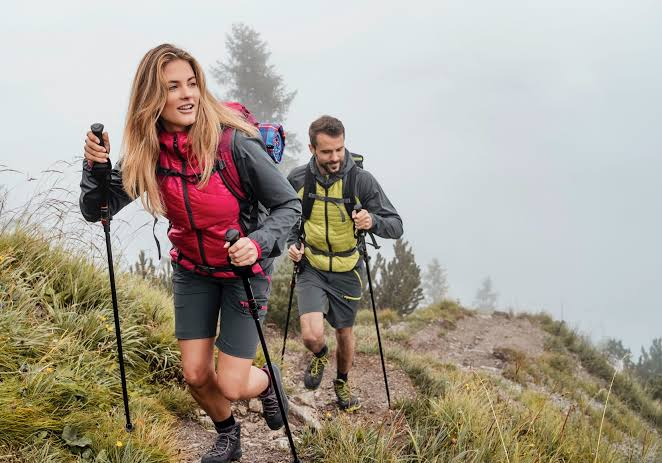
Selecting the correct pole length is essential for comfort and effective support. A simple way to determine the appropriate height is to stand naturally on level ground while holding the pole vertically. When the tip touches the ground near your feet and your hand rests on the grip, your elbow should form approximately a 90-degree angle. This position provides a useful starting point for most hikers and helps prevent unnecessary strain on the arms and shoulders. best hiking poles.
Adjustable hiking poles make it easier to change their length according to the terrain. When walking uphill, shortening the poles slightly can make it easier to maintain a natural walking rhythm. During downhill sections, extending them can provide additional reach and support. Hikers should also consider their height, arm length, footwear, and personal comfort. Before beginning a long adventure, it is helpful to practice using the poles on a short walk and make small adjustments until the position feels natural. best hiking poles.
7. Best Hiking Poles for Beginners and Experienced Hikers
Beginners should generally look for hiking poles that are simple, comfortable, adjustable, and reasonably priced. Aluminum poles with reliable locking mechanisms are often a practical starting point because they offer versatility without requiring a large investment. Comfortable foam or cork handles can make learning to use trekking poles easier. Beginners should also look for models with adjustable wrist straps and replaceable tips so that they can adapt the equipment to different walking conditions. best hiking poles.
Experienced hikers may have more specialized requirements depending on their outdoor activities. Long-distance backpackers often prioritize durability, comfort, and dependable adjustment systems, while trail runners may prefer lightweight folding poles that can be carried easily. Mountain hikers might benefit from poles with interchangeable baskets and sturdy tips for changing ground conditions. Experienced users may also consider premium carbon fiber models when reducing equipment weight is a major priority. Regardless of experience, comfort and reliability should remain more important than choosing a pole simply because it is expensive. best hiking poles.
8. How to Maintain and Use Hiking Poles Properly
Taking care of hiking poles can help extend their useful life and maintain their performance. After hiking through muddy or wet conditions, clean the shafts and remove dirt from the locking mechanisms. If the poles have adjustable sections, allow them to dry before storing them for extended periods. Moisture and accumulated dirt can affect their operation, particularly when the locking components are not cleaned regularly. It is also important to inspect the tips, baskets, straps, and grips for signs of wear. best hiking poles.
Proper use is just as important as maintenance. Hikers should adjust their wrist straps correctly and avoid placing excessive pressure on poles that are not designed to support heavy body weight. Before every journey, check that adjustable sections are securely locked. On slippery or rocky surfaces, place the pole tips carefully and maintain a natural walking rhythm. Using both poles in coordination with your steps can help distribute effort and improve balance. With regular cleaning and sensible handling, a quality pair of hiking poles can remain a useful part of outdoor equipment for many adventures.
9. Common Mistakes to Avoid When Buying Hiking Poles
One common mistake is choosing hiking poles based entirely on their appearance or price. Attractive designs do not necessarily provide the comfort, strength, or adjustment features needed for demanding trails. Some inexpensive models may be suitable for occasional walking but might not offer the durability required for regular mountain hiking. Similarly, expensive carbon fiber poles are not automatically the best choice for everyone. Buyers should compare materials, weight, grip comfort, locking mechanisms, and intended use before making a decision.
Another mistake is purchasing poles without checking their length and adjustment range. Poles that are too long or too short can make walking uncomfortable and affect natural movement. Ignoring grip quality and wrist strap design can also create problems during extended hikes. Some people forget to check whether replacement tips and baskets are available for their chosen model. Taking time to understand these details can help avoid unnecessary expenses and ensure that the selected hiking poles provide dependable support.
Conclusion
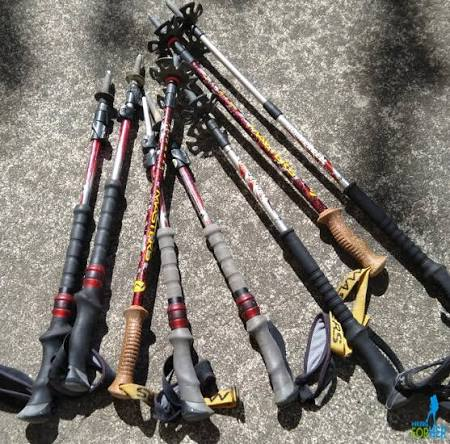
Finding the best hiking poles can make outdoor adventures more comfortable, enjoyable, and manageable. Whether you are a beginner exploring local walking trails or an experienced backpacker preparing for challenging mountain journeys, the right trekking poles can provide valuable support and stability. Aluminum poles are a practical choice for durability and affordability, while carbon fiber options are attractive for hikers who prefer lightweight equipment. Folding and telescoping designs also offer different advantages depending on storage and adjustment requirements.
Before purchasing hiking poles, consider their material, grip, locking mechanism, weight, and adjustable length. Choose a pair that feels comfortable in your hands and suits the terrain you regularly explore. Investing in reliable hiking poles can improve your outdoor experience and make every adventure more enjoyable.
