


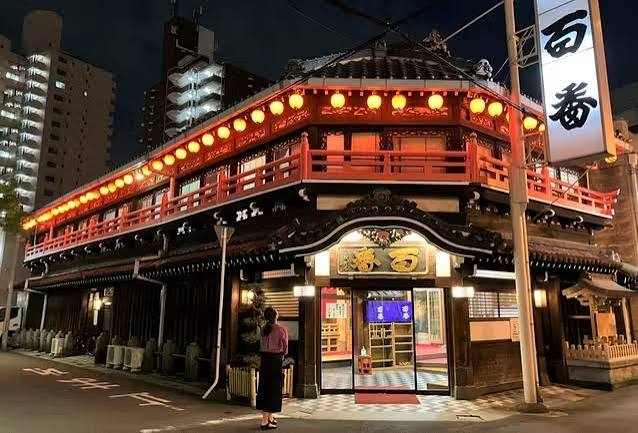
Tobita Shinchi Osaka is a historic district in the Nishinari Ward of Osaka, Japan. It is known for its traditional Japanese architecture, narrow streets, distinctive wooden buildings, and long association with the city’s entertainment history. The area attracts attention from people interested in Japanese culture, historical neighborhoods, and the evolution of urban life.
Unlike ordinary tourist attractions, Tobita Shinchi Osaka is a working neighborhood with its own customs, privacy expectations, and local rules. Understanding its background is important before learning about its location or cultural significance. Its history stretches back more than a century, and the district has changed considerably as Japanese laws and social attitudes have evolved.
Tobita Shinchi Osaka Quick Facts
Tobita Shinchi at a Glance
Full Name
Tobita Shinchi
Japanese Name
飛田新地
Location
Nishinari Ward, Osaka
Country
Japan
Official Opening
1918
Historical Era
Taisho Period
Nearest Metro Station
Dobutsuen-mae
Nearby Area
Shinsekai
Known For
Historic entertainment district
Architecture
Traditional wooden buildings
Photography Policy
Photography and filming prohibited
Best Approach
Respect local privacy and rules
What Is Tobita Shinchi Osaka?
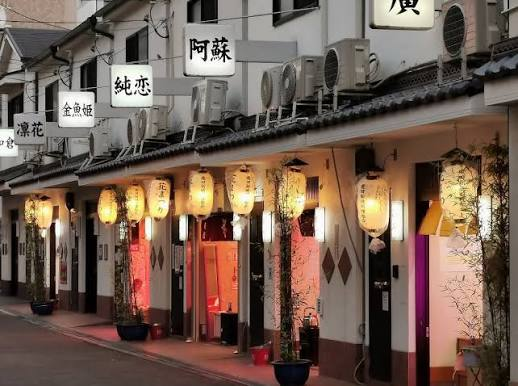
Tobita Shinchi is a historic entertainment district in southern Osaka. It is particularly known for its traditional-style establishments, wooden façades, lanterns, and narrow streets. The district has a different atmosphere from the city’s modern commercial areas, where large shopping centers, bright advertising displays, and contemporary buildings dominate the landscape. Its older architectural style reflects a period when entertainment districts had a distinctive place in Japanese urban culture. Tobita Shinchi Osaka.
The area is also associated with Japan’s historical system of licensed pleasure quarters. Following legal changes in the twentieth century, its establishments adopted a different official business form, commonly described as traditional Japanese restaurants, or ryotei. This history explains why Tobita Shinchi is often discussed in connection with both traditional architecture and the development of Japanese entertainment culture. Tobita Shinchi Osaka.
For visitors researching Tobita Shinchi, it is important to understand that this is not a conventional open-air museum. People work and conduct business there, and privacy is a serious concern. Anyone learning about the district should distinguish between its historical significance and its present-day role as an active neighborhood. Tobita Shinchi Osaka.
The History of Tobita Shinchi
The history of Tobita Shinchi is closely connected to a major fire in Osaka in January 1912. The fire destroyed the former Namba Shinchi district, forcing businesses associated with that area to relocate. A new site was developed in what is now the Sanno area of Nishinari Ward. After planning and construction, Tobita Shinchi officially opened in December 1918. Tobita Shinchi Osaka.
During the following decades, the district expanded and became a prominent entertainment area. Its buildings, street layout, and business activities developed into a distinctive urban environment. The Taisho period, which lasted from 1912 to 1926, influenced many aspects of Japanese architecture and city life, and Tobita Shinchi retains elements associated with that historical era. Tobita Shinchi Osaka.
The postwar period brought significant legal and social changes. Japan’s Anti-Prostitution Act took full effect in 1958, transforming the way establishments in the district operated officially. The area subsequently continued in the form associated with traditional restaurants. These changes are essential to understanding why Tobita Shinchi has maintained its historical identity while adapting to a different legal environment. Tobita Shinchi Osaka.
Where Is Tobita Shinchi Located?
Tobita Shinchi is located in Sanno, Nishinari Ward, in the southern part of Osaka. Its position makes it accessible from several public transportation stations, including Dobutsuen-mae and Tennoji. These stations connect travelers with other parts of Osaka, making the general neighborhood relatively straightforward to reach by train or subway. Tobita Shinchi Osaka.
Dobutsuen-mae Station is one of the most convenient options for reaching the surrounding area. Tennoji is another useful transportation hub, offering access to rail services and nearby commercial districts. The most suitable route depends on your starting point, preferred railway line, and walking ability. Travelers should check current station exits and walking directions before setting out. Tobita Shinchi Osaka.
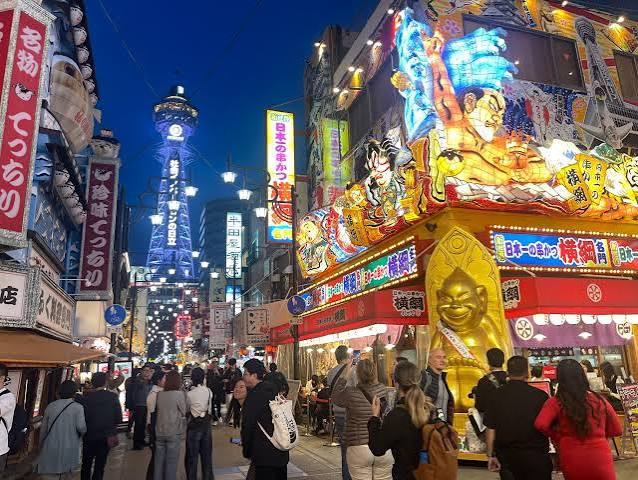
The district is also relatively close to Shinsekai, a well-known Osaka neighborhood associated with Tsutenkaku Tower, restaurants, and retro urban scenery. However, proximity does not mean that Tobita Shinchi should be treated like a standard sightseeing destination. Anyone visiting the surrounding area should understand the different nature of the district and respect its residents, workers, and businesses. Tobita Shinchi Osaka.
Traditional Architecture and Street Design
One of the features that makes Tobita Shinchi distinctive is its traditional-style architecture. The district contains wooden buildings, narrow entrances, lanterns, and façades that differ from the glass-and-steel structures found in many modern city centers. These architectural details provide clues about how older commercial neighborhoods were designed to create a recognizable atmosphere and identity.
The street layout also contributes to the area’s character. Smaller lanes and closely positioned buildings create a compact environment that contrasts with Osaka’s wider roads and contemporary shopping streets. Different sections have their own street names and visual characteristics, reflecting the way the district developed over time. Its appearance offers a glimpse into a particular chapter of Japanese urban history. Tobita Shinchi Osaka.
Some historic buildings in the area have considerable architectural interest. One notable example is Taiyoshi Hyakuban, a traditional restaurant building associated with the district’s past and recognized as a cultural property. Its historical value demonstrates how buildings can preserve memories of changing social customs and business practices. Nevertheless, the presence of old architecture does not remove the need to follow the area’s strict photography rules. Tobita Shinchi Osaka.
Cultural Significance in Modern Osaka
Tobita Shinchi occupies a complex position in Osaka’s cultural history. It illustrates how Japanese cities have managed entertainment districts through changing laws, social expectations, and commercial practices. Its continued existence offers a perspective on the relationship between historical traditions and modern urban development, making it a subject of interest for people studying Japanese society. Tobita Shinchi Osaka.
The district also demonstrates how the meaning of a neighborhood can change over time. A place originally associated with one regulatory system may continue operating under a different business structure after legal reforms. Buildings and street layouts can remain recognizable even when the legal framework and public attitudes surrounding them have changed. Tobita Shinchi is an example of this broader historical process. Tobita Shinchi Osaka.
However, cultural interest should not be confused with unrestricted public access to every aspect of a neighborhood. The people who work and live in Tobita Shinchi deserve privacy and respectful treatment. Visitors and researchers should avoid sensational descriptions, intrusive behavior, and assumptions about individuals based on the district’s reputation. A thoughtful understanding of its history is more useful than treating it simply as a curiosity. Tobita Shinchi Osaka.
Visitor Etiquette and Important Rules
Respecting privacy is one of the most important rules associated with Tobita Shinchi. Photography and filming are prohibited throughout the district, including its public streets. Visitors should keep cameras and mobile phones away rather than attempting to photograph buildings, workers, entrances, or other people. Livestreaming and recording can be especially intrusive, so the safest approach is to avoid recording altogether. Tobita Shinchi Osaka.
The district is an active working environment rather than a conventional tourist attraction. People should not crowd entrances, obstruct pathways, stare at individuals, or visit in groups merely to observe business activities. If an establishment does not welcome a visitor, its decision should be accepted immediately and politely. Visitors should also avoid assuming that every business has the same admission rules or customer policies.
Practical preparation can help prevent misunderstandings. English may not be widely spoken at individual establishments, so learning a few basic Japanese expressions can be helpful. Visitors should clarify prices and conditions before agreeing to a service and carry sufficient Japanese yen if they intend to make a purchase. They should also follow any posted restrictions and verify local requirements before visiting.
Transportation and Nearby Attractions
Public transportation is generally the most convenient way to reach the broader Tobita Shinchi area. Osaka Metro services connect Dobutsuen-mae Station with other major parts of the city, while Tennoji provides additional rail and subway connections. Travelers arriving from central Osaka can plan a route using their preferred transit app and check for service changes on the day of travel.
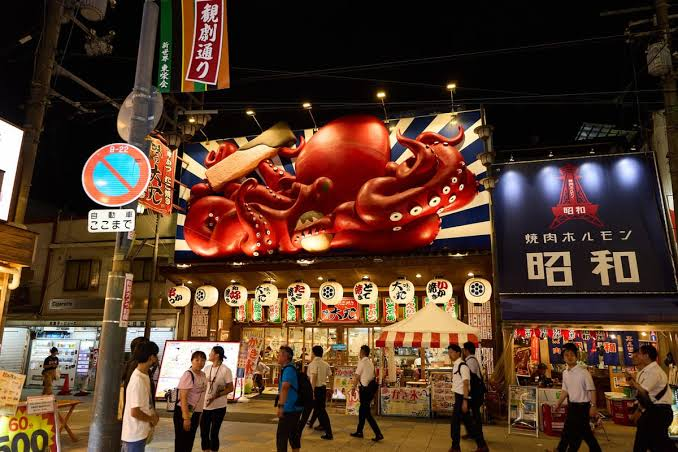
The surrounding region contains several established attractions that may be more suitable for a conventional sightseeing itinerary. Shinsekai is known for its retro atmosphere and Tsutenkaku Tower, while Tennoji offers shopping, dining, and access to cultural and recreational facilities. These nearby destinations allow visitors to explore Osaka’s architecture, food, and urban history without treating a working neighborhood as an attraction.
Travelers can plan a day around the wider southern Osaka area, combining public parks, museums, shopping streets, and local restaurants according to their interests. It is sensible to check opening hours for individual attractions and allow enough time for transfers between stations. If Tobita Shinchi is part of a historical research project, visitors can also learn about the district through published historical material rather than attempting to document its streets through photography.
Is Tobita Shinchi Worth Learning About?
Tobita Shinchi is worth learning about for people interested in Japanese history, urban architecture, and the way cities change under different legal and social conditions. Its establishment after the 1912 fire, its official opening in 1918, and its transformation following postwar legal reforms make it an example of a neighborhood with a long and complicated past.
For architecture enthusiasts, the traditional wooden buildings and narrow streets provide an opportunity to understand a historical style of urban development. For students of Japanese society, the district raises questions about how commercial spaces, cultural traditions, privacy, and public policy interact. Its story can be explored through historical research and respectful observation without reducing the area to stereotypes.
Whether a physical visit is appropriate depends on the visitor’s purpose and willingness to follow local rules. Those seeking family-friendly attractions, museums, or conventional sightseeing experiences may prefer nearby destinations such as Shinsekai and Tennoji. People who study Tobita Shinchi should approach it with sensitivity, recognizing that it remains a working district with people whose everyday lives deserve respect.
Conclusion
Tobita Shinchi Osaka is a historic district that reflects more than a century of change in Japanese urban life. Established in 1918 following the destruction of the former Namba Shinchi district, it developed into a distinctive entertainment area and later adapted to major changes in Japanese law. Its traditional architecture and unusual history continue to attract attention from people interested in Osaka’s cultural heritage.
Located in Nishinari Ward, the district is accessible from nearby public transportation stations and sits close to other well-known parts of southern Osaka. However, it should not be approached like an ordinary tourist attraction. Photography is prohibited, local customs matter, and the privacy of residents and workers must be respected.
Ultimately, understanding Tobita Shinchi requires looking beyond its reputation. Its history, architecture, and evolution provide a broader perspective on Japan’s changing cities and social traditions. Whether explored through historical research or approached respectfully as part of a wider Osaka visit, Tobita Shinchi remains a distinctive chapter in the city’s story.
