


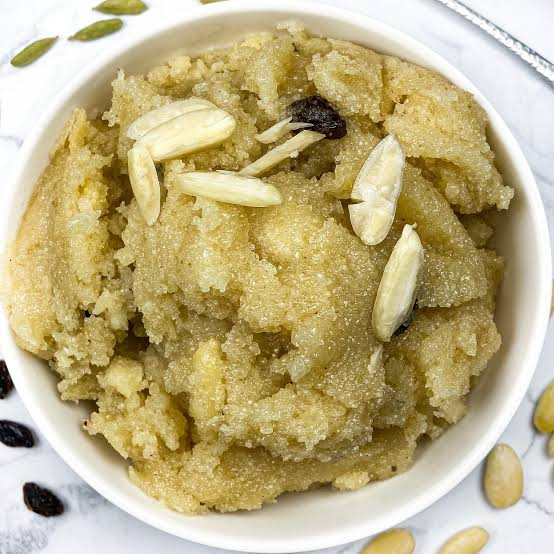
Halva is a popular traditional sweet enjoyed in many countries, including Pakistan, India, Turkey, the Middle East, and parts of Europe. It is loved for its rich flavor, soft texture, and simple ingredients. Depending on the region, halva can be prepared using semolina, flour, sesame seeds, nuts, or other ingredients. One of the most popular homemade versions in South Asia is suji ka halwa, made with semolina, sugar, ghee, and water.
homemade halva recipe is easy to follow and does not require complicated cooking techniques. The ingredients are affordable, widely available, and can be adjusted according to personal taste. Whether you prepare it for breakfast, dessert, family gatherings, or special celebrations, halva is a comforting sweet dish that brings warmth to the table.
Quick Facts About Halva Recipe
| Category | Details |
|---|---|
| Recipe Name | Homemade Halva |
| Cuisine | South Asian and Middle Eastern |
| Main Ingredient | Semolina |
| Preparation Time | 5 Minutes |
| Cooking Time | 20–25 Minutes |
| Total Time | 25–30 Minutes |
| Difficulty Level | Easy |
| Cooking Method | Stovetop |
| Texture | Soft and Slightly Grainy |
| Flavor | Sweet, Buttery, and Nutty |
| Main Ingredients | Suji, Sugar, Ghee, Water |
| Serving Size | 4–6 People |
| Garnishing | Almonds, Pistachios, Raisins |
| Meal Type | Dessert or Breakfast |
What Is Halva?
Halva is a traditional sweet dish with many different varieties across the world. Its name is associated with sweetness, and recipes vary depending on local ingredients and cooking traditions. Some versions are dense and crumbly, while others have a soft, moist, and pudding-like consistency. halva recipe.
In Pakistan and India, semolina halva is especially popular. It is commonly prepared by roasting semolina in ghee and combining it with sweetened water or milk. The mixture gradually thickens and develops a delicious aroma. Cardamom, almonds, pistachios, and raisins are often added to improve its flavor. halva recipe.
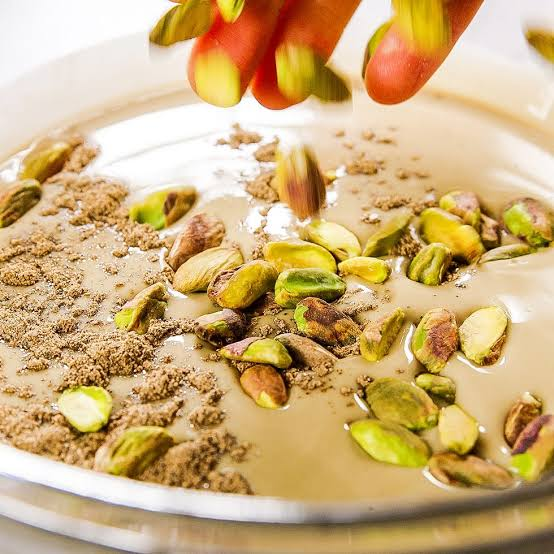
In Middle Eastern and Mediterranean cuisines, halva is also commonly made from tahini, which is a paste prepared from sesame seeds. This variety has a different texture and taste compared with South Asian semolina halva. Both versions are popular because they offer a satisfying combination of sweetness and rich ingredients. halva recipe.
Ingredients Needed to Make Traditional Halva
Preparing homemade semolina halva requires only a few basic ingredients. Semolina, also known as suji, is the main ingredient responsible for the texture. Medium-grain semolina is commonly used because it produces a pleasant consistency when roasted and cooked. halva recipe.
Ghee gives halva its rich buttery flavor and helps roast the semolina evenly. Sugar provides sweetness, while water helps the semolina absorb moisture and become soft. Some recipes use milk instead of part of the water to create a richer result. halva recipe.
Cardamom powder is a popular addition because its fragrance complements the sweetness of the dish. Chopped almonds, pistachios, cashews, and raisins can also be added for extra flavor and texture. halva recipe.
For a basic recipe, use one cup of semolina, half a cup of ghee, one cup of sugar, three cups of water, and half a teaspoon of cardamom powder. You can adjust the sugar and ghee according to your preferences. halva recipe.
How to Make Halva Step by Step
Begin by preparing the sugar syrup. Add three cups of water and one cup of sugar to a saucepan. Heat the mixture until the sugar dissolves completely. You can add cardamom powder for additional fragrance. Keep the syrup warm while preparing the semolina. halva recipe.
Place a separate heavy-bottomed pan over medium-low heat and add the ghee. Once the ghee melts, add the semolina and stir continuously. Roast the semolina slowly until it develops a light golden color and releases a pleasant nutty aroma. This step is important because properly roasted semolina gives halva its characteristic flavor. halva recipe.
Carefully pour the warm sugar syrup into the roasted semolina while stirring continuously. Be cautious because the mixture may bubble and release hot steam. Stir well to prevent lumps from forming. The semolina will gradually absorb the liquid and become thicker. halva recipe.
Continue cooking over low heat until the mixture pulls away from the sides of the pan and reaches your preferred consistency. Add chopped nuts and raisins if desired. Turn off the heat, cover the pan for a few minutes, and allow the halva to settle before serving. halva recipe.
Tips for Making Soft and Delicious Halva
The secret to delicious halva is roasting the semolina properly. Rushing this step can leave the finished dessert with a raw flour-like taste. Cook the semolina slowly in ghee and stir regularly to ensure that it browns evenly without burning. halva recipe.
Choosing the right amount of liquid is also important. More liquid produces a softer and moister halva, while less liquid creates a thicker consistency. The exact amount may vary depending on the type and grain size of semolina. halva recipe.
Another helpful tip is to use warm syrup instead of adding cold liquid directly to the hot semolina. This makes the cooking process easier to control and helps the ingredients combine smoothly. Continuous stirring during the addition of syrup also prevents lumps. halva recipe.
For extra richness, you can replace some of the water with milk. Adding a little extra cardamom, saffron, or chopped nuts can also make the dessert more flavorful without changing the basic preparation method.
Different Types of Halva Around the World
Halva has many regional variations, and each culture prepares it using different ingredients and techniques. South Asian suji halwa is made with roasted semolina, sugar, and ghee. It is commonly served during breakfast, religious celebrations, and family gatherings.
Turkish halva includes several varieties, including semolina halva and tahini-based halva. Turkish semolina halva is often prepared with butter, sugar, milk, or water. It has a rich flavor and is sometimes served warm with ice cream.
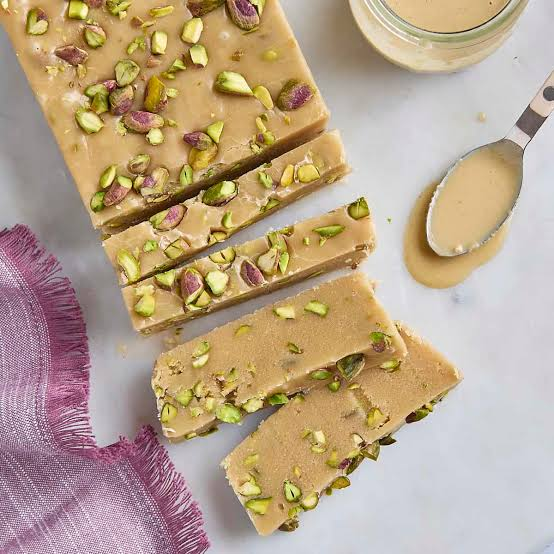
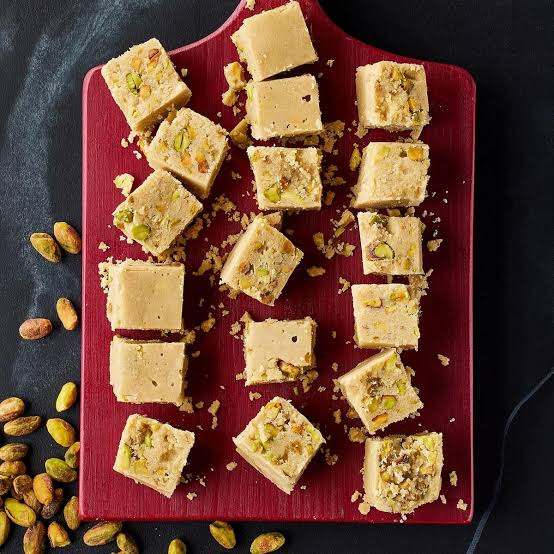
Middle Eastern tahini halva is prepared using sesame seed paste and sugar or other sweeteners. It is usually firm, dense, and slightly crumbly. Some varieties include pistachios, chocolate, vanilla, or other flavorings.
Flour halva is another traditional variation made by slowly cooking flour in butter or ghee before adding sweetened liquid. It develops a smooth, rich texture and is especially popular in different South Asian and Middle Eastern communities.
How to Serve and Garnish Homemade Halva
Homemade halva tastes delicious when served warm because its texture remains soft and its buttery aroma is more noticeable. It can be placed in small dessert bowls or shaped into individual portions using a serving spoon.
Chopped almonds and pistachios are popular garnishing choices. They provide a pleasant crunch that contrasts with the soft semolina. Raisins add natural sweetness, while a small amount of saffron gives the dessert a beautiful appearance and delicate fragrance.
In Pakistan and India, suji halwa is often served with puri or chana during traditional breakfasts. It is also prepared as a dessert after lunch or dinner. Some people enjoy it with tea, while others serve it alongside other homemade sweets during special occasions.
For a modern serving idea, you can add a small scoop of vanilla ice cream beside warm halva. The contrast between warm semolina and cold ice cream creates an enjoyable dessert combination.
Nutritional Value and Health Considerations of Halva
Halva contains carbohydrates from semolina and sugar, while ghee contributes fat and calories. Nuts provide additional nutrients, including protein, healthy fats, and minerals. However, the nutritional value depends on the recipe, serving size, and ingredients used.
Because traditional semolina halva contains added sugar and ghee, it is generally an energy-dense dessert. People who prefer a lighter version can reduce the amount of sugar and ghee or use smaller serving portions.
Adding almonds, pistachios, and other nuts can improve the nutritional variety of the recipe. However, nuts also contribute calories, so portion size remains important. People with diabetes or specific dietary requirements should consider their individual nutritional needs when choosing how much halva to eat.
Common Mistakes to Avoid When Making Halva
One of the most common mistakes is roasting semolina too quickly. High heat can burn the semolina before it develops an even golden color. Using medium-low heat and stirring continuously helps create a better result.
Another mistake is adding too much liquid at once without stirring. This can cause lumps to form and make the texture uneven. Pouring the warm syrup gradually while stirring helps produce smoother halva.
Using too little ghee can also affect the flavor and texture. Ghee helps coat the semolina grains during roasting and gives the finished dessert its traditional richness. However, adding excessive ghee may make the halva oily.
Finally, some people stop cooking too early. The semolina needs enough time to absorb the liquid and become fully cooked. Allowing it to simmer gently until thick helps develop the right texture and taste.
Conclusion
This traditional halva recipe is a simple and delicious way to prepare a homemade sweet using everyday ingredients. Semolina, ghee, sugar, and cardamom create a rich combination that is loved across many South Asian households. With the addition of almonds, pistachios, and raisins, the dessert becomes even more enjoyable.
The most important steps are roasting the semolina slowly, preparing warm sugar syrup, and stirring continuously while combining the ingredients. Whether served for breakfast with puri or enjoyed as an after-dinner dessert, homemade halva is a wonderful traditional treat that can be prepared for almost any occasion.
