


Peptides have become increasingly popular in discussions about fitness, bodybuilding, weight management, skincare, and medical treatments. These small chains of amino acids perform important functions in the human body, and some are used to develop medicines for specific health conditions. However, not every peptide available online is approved for human use, and the laws governing these products vary between countries.
If you are wondering, “Are peptides legal?” the answer depends on the specific substance, its intended use, and the regulations that apply where you live. Some peptide-based medicines are legally available through licensed healthcare providers, while certain experimental compounds may be restricted or prohibited from being marketed as medicines. Understanding these differences can help consumers avoid misleading claims and make informed decisions.
Are Peptides Legal? Quick Facts
Peptides Legal Status — Quick Facts
Main Topic
Peptide Legality
Legal Status
Depends on the substance
Common Examples
Insulin, semaglutide
Regulatory Authority (US)
FDA
Research Peptides
Rules vary by product
Prescription Requirements
Depend on the medicine
Fitness and Bodybuilding
Some uses are unapproved
International Laws
Differ by country
Main Safety Concern
Unverified products
Best Approach
Verify before purchasing
What Are Peptides?
Peptides are short chains of amino acids, the same basic building blocks that form proteins. They participate in numerous biological processes, including hormone signaling, metabolism, immune responses, and tissue function. Scientists study natural and synthetic peptides to understand how they work and whether they can be developed into useful medical treatments. are peptides legal.
Some peptides are already used in approved medicines. Insulin, for example, is a peptide hormone used to manage diabetes, while certain semaglutide and tirzepatide products are approved for specific metabolic conditions. These examples demonstrate that peptides can have established medical uses when their safety, quality, and effectiveness have been evaluated by the appropriate regulatory authority. are peptides legal.
Other peptides are promoted online for muscle growth, exercise recovery, anti-aging, or skin improvement. However, these products do not all have the same level of scientific evidence. A substance that produces promising results in laboratory research is not automatically safe or effective in humans, and its availability online does not establish that it is legally approved. are peptides legal.
Are Peptides Legal in the United States?
In the United States, peptide legality depends on the exact compound, its intended purpose, and the applicable federal and state requirements. The Food and Drug Administration regulates medicines and determines whether products meet the relevant requirements for approval and marketing. Some peptide-based medicines are approved and available through legitimate healthcare channels, while other substances remain experimental or are not authorized for the uses advertised by sellers. are peptides legal.
Approved prescription peptides must be used according to applicable prescribing and dispensing requirements. A medicine approved for a particular medical condition is not automatically approved for bodybuilding, anti-aging, or general performance enhancement. Healthcare professionals must consider the drug’s approved indications, available evidence, and relevant prescribing rules when recommending treatment. are peptides legal.
Unapproved peptide products can raise significant regulatory concerns when marketed for human treatment without the required authorization. A website cannot necessarily avoid these requirements simply by describing an injectable product as a research chemical. Buyers should distinguish between a substance being sold online and a medicine that is legally authorized for human use. are peptides legal.
Which Peptides Are Legally Approved?
Several peptide-based medicines have established medical uses. Insulin products are used to manage diabetes, while specific semaglutide and tirzepatide formulations are approved for certain metabolic conditions. Their approval applies to particular products and indications, not automatically to every formulation containing a similar ingredient. are peptides legal.
The distinction between an approved medicine and an unverified product is important. Approved medicines are subject to regulatory requirements relating to manufacturing quality, labeling, and evidence of safety and effectiveness. Products purchased from unverified online vendors may not meet the same standards, even if their packaging uses familiar pharmaceutical terminology. are peptides legal.
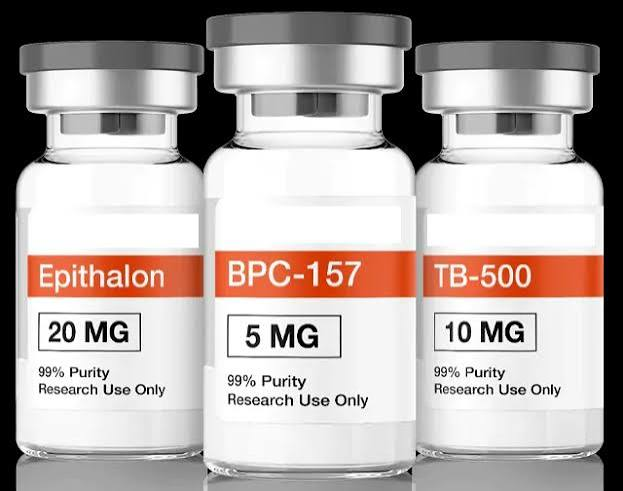
Other compounds, including BPC-157 and products marketed as TB-500, are frequently discussed in fitness and recovery communities. They should not be assumed to be approved medicines for human treatment. Before considering any peptide, consumers should identify the exact ingredient and check its current regulatory status rather than relying on advertisements, social media recommendations, or claims about potential benefits. are peptides legal.
Are Research Peptides Legal to Buy?
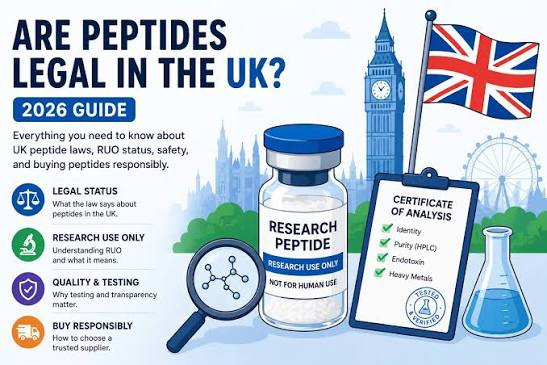
Research peptides are often sold with labels such as “research use only” or “not for human consumption.” These labels describe the seller’s stated intended use, but they do not automatically establish that the product’s sale, possession, importation, or use is lawful in every situation. are peptides legal.
In the United States, products intended for legitimate laboratory research may be subject to different requirements from products marketed as medicines for people. However, labeling an unapproved drug as a research chemical does not necessarily make it lawful to market for human consumption. The circumstances of the sale, the product’s claims, and its intended use can all matter. are peptides legal.
Anyone purchasing research materials should verify the applicable rules and the legitimacy of the supplier. Researchers may also need to follow institutional purchasing procedures, laboratory safety requirements, and relevant research protocols. Consumers should be especially cautious about sellers who advertise experimental peptides for self-injection while using research-only disclaimers to suggest that no regulatory restrictions apply.
Are Peptides Legal for Bodybuilding?
Peptides are sometimes promoted to bodybuilders and athletes seeking muscle growth, fat loss, or faster recovery after exercise. However, a fitness-related marketing claim does not establish that a peptide is approved for that purpose. Certain substances remain experimental, and the evidence supporting their advertised benefits may be limited or uncertain. are peptides legal.
The legal position depends on the exact substance and jurisdiction. An approved medicine may be legally prescribed for a recognized medical condition, while its promotion for an unrelated purpose may be restricted. Products that are not approved for human use can present additional regulatory concerns when sold as performance-enhancing treatments. are peptides legal.
Competitive athletes must also consider anti-doping rules. The World Anti-Doping Agency prohibits various peptide hormones, growth factors, and related substances under its applicable rules. A substance’s legal availability does not mean it is permitted in competition. Athletes should check the current prohibited list and consult their sporting organization or a qualified sports-medicine professional before using peptide-related products. are peptides legal.
Are Injectable Peptides Safe?
The safety of a peptide depends on its chemical structure, dose, administration method, manufacturing quality, and the amount of reliable clinical evidence available. Approved medicines have undergone regulatory evaluation for specific uses, but experimental compounds may have limited human data. Their long-term effects, interactions, and appropriate doses may remain uncertain. are peptides legal.
Injectable products create additional concerns because contamination or incorrect preparation can cause serious harm. Poor-quality products may contain impurities, incorrect concentrations, or substances different from those listed on the label. Improper injection can also lead to infections, allergic reactions, and tissue damage. are peptides legal.
A laboratory certificate or attractive product label does not independently guarantee that an injectable substance is sterile, accurately formulated, or appropriate for human use. Anyone considering a peptide for a medical condition should speak with a licensed healthcare professional. An appropriate clinician can explain established treatment options, discuss known risks, and help determine whether a particular medicine is suitable. are peptides legal.
Can You Buy Peptides Without a Prescription?
Prescription requirements depend on the individual product and the laws of the country where it is purchased. Some approved peptide medicines are prescription-only and must be obtained through appropriate medical and pharmacy channels. Other products may be sold for legitimate non-medical or laboratory purposes, but that does not automatically authorize their use as human treatments. are peptides legal.
Online sellers sometimes advertise peptides without requiring prescriptions by describing them as research supplies. Such descriptions do not guarantee that the transaction complies with applicable regulations, especially when a product is promoted for treating a medical condition or changing the body’s functions.
Consumers should verify the seller’s credentials, the product’s authorization status, and any prescription requirements before making a purchase. It is also important to distinguish between purchasing, possessing, importing, prescribing, and administering a substance, because different legal rules may apply to each activity.
Are Peptides Legal in Pakistan and Other Countries?
Peptide regulations vary internationally. A medicine approved in one country may require separate authorization in another, and some substances may be restricted or unavailable for particular uses. Prescription requirements, import controls, and rules governing the marketing of medicines can differ considerably between jurisdictions.
In Pakistan, anyone considering purchasing or importing a peptide should verify the applicable requirements with the Drug Regulatory Authority of Pakistan and the relevant customs authorities. Approval or availability in the United States, Australia, the United Kingdom, or another country does not automatically establish that a product can legally be imported or used in Pakistan.
International orders may be subject to documentation requirements, inspection, delays, or refusal of entry, depending on the substance and applicable rules. Before ordering, consumers should confirm the exact ingredient, its regulatory classification, whether a prescription or authorization is needed, and whether the supplier is permitted to ship it to their destination.
How to Check Whether a Peptide Is Legal
The first step is to identify the exact peptide and its intended use. Product names and abbreviations can be confusing, and similar names do not necessarily refer to identical substances. Confirming the ingredient and formulation helps establish which regulatory rules may apply.
Next, consult the official medicines regulator for the country where the product will be used. In the United States, the FDA provides information about approved drugs and regulatory actions involving certain unapproved products. In other countries, national medicines regulators maintain their own requirements. A seller’s statement, an ongoing clinical trial, or a promising research result should not be treated as proof of approval.
Finally, verify the supply channel and any restrictions on purchase or importation. If the status remains unclear, consult a pharmacist, healthcare professional, regulatory authority, or qualified legal adviser. Taking these steps can help reduce the risk of buying an unlawful, mislabeled, or unsafe product.
Conclusion
Are peptides legal? The answer depends on the specific substance, its intended use, the country involved, and its regulatory status. Some peptide-based medicines are approved and legally available under appropriate medical and prescribing requirements, while others remain experimental or cannot legally be marketed as medicines without the necessary authorization.
Research-only labels and online availability do not automatically make a peptide legal for human use. Safety is equally important, particularly when products are injectable or obtained from unverified sellers. Consumers should evaluate regulatory status and medical evidence separately rather than assuming that every available peptide is safe or effective.
Before buying or using a peptide, check the applicable rules in your country and seek qualified medical advice when treatment is involved. Understanding the exact compound, its authorized uses, and the relevant legal requirements is the best way to make an informed decision.
