


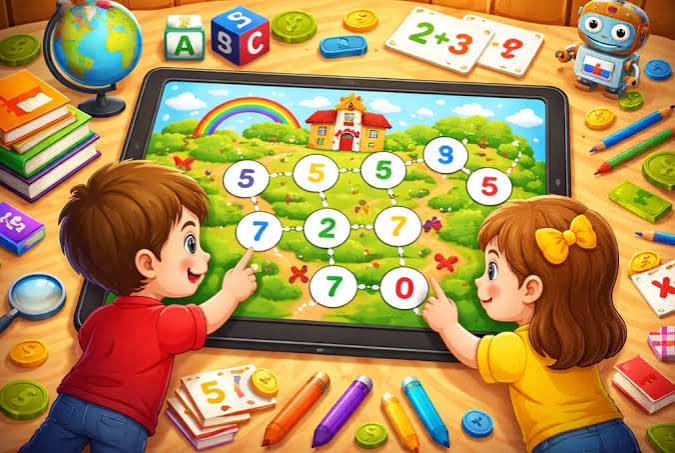
Educational games are an effective way to make learning enjoyable, interactive, and meaningful. They combine entertainment with educational activities to help children and students develop important skills while having fun. From mathematics and spelling to science, geography, puzzles, and memory challenges, educational games provide opportunities to learn through play.
Quick Facts
| Category | Details |
|---|---|
| Main Keyword | Educational Games |
| Category | Educational Activities |
| Target Audience | Kids, Students, and Adults |
| Age Group | Preschool to Adults |
| Main Subjects | Maths, English, Science, Geography |
| Game Types | Online, Offline, Printable |
| Learning Skills | Memory, Creativity, Problem-Solving |
| Platforms | Computers, Tablets, Smartphones |
| Main Purpose | Learning Through Play |
What Are Educational Games?
Educational games are activities designed to teach knowledge and develop skills through enjoyable experiences. Unlike traditional learning methods, these games encourage players to participate, explore, experiment, and solve problems. They can cover almost any subject, making them useful for children of different ages and educational levels.
These games are available in several formats, including digital games, board games, card games, quizzes, puzzles, and printable worksheets. Some focus on specific subjects, while others combine multiple learning areas. Their main purpose is to make education more engaging and help learners understand concepts through practical activities.
Benefits of Educational Games for Children
Educational games offer several benefits for children’s intellectual and personal development. They encourage curiosity, improve concentration, and help children develop the ability to remember information. Activities involving matching, counting, sorting, and problem-solving also introduce important thinking skills.
Another advantage is that educational games can make challenging subjects feel less intimidating. Children who struggle with traditional exercises may find it easier to practise through interactive activities. Completing challenges and achieving small goals can also build confidence and encourage a positive attitude towards learning.
Best Educational Games for Preschoolers
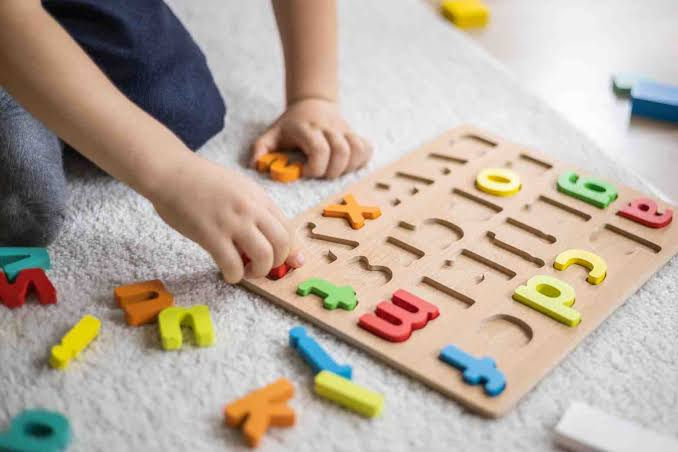
Preschool educational games introduce young children to basic concepts such as letters, numbers, shapes, colours, and everyday objects. Simple matching games, alphabet puzzles, counting activities, and picture recognition exercises are particularly suitable for this age group.
These games should be colourful, easy to understand, and appropriate for children’s developmental abilities. Activities involving large pictures, familiar objects, and simple instructions can help preschoolers learn without feeling overwhelmed. Parents can participate by asking questions and encouraging children to explain their answers.
Educational Games for Kindergarten and Reception
Kindergarten and reception children benefit from games that develop early literacy, numeracy, and communication skills. Alphabet recognition, phonics challenges, number matching, and simple addition games can support their classroom learning.
Interactive activities can also introduce basic science and geography concepts. For example, children can match animals with their habitats, identify weather conditions, or locate continents on a simple world map. These activities encourage observation and help children connect classroom lessons with the world around them.
Online Educational Games for Students
Online educational games provide students with opportunities to practise different subjects through computers, tablets, and smartphones. Mathematics games can help learners improve calculation skills, while spelling and vocabulary games support language development.
Science quizzes, geography challenges, and historical puzzles can make academic subjects more interesting. Many online platforms also provide different difficulty levels, allowing students to progress as their knowledge improves. However, parents and teachers should select age-appropriate platforms and encourage balanced screen time.
Mathematics and Science Educational Games
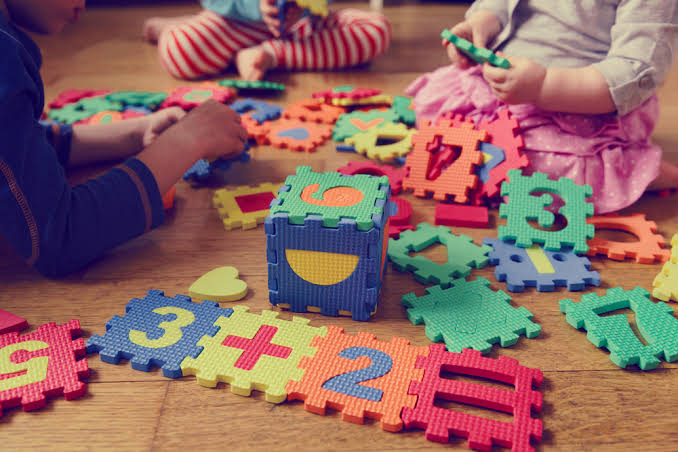
Mathematics educational games help learners understand numbers, calculations, patterns, measurements, and basic mathematical operations. Activities involving number sequences, multiplication challenges, geometry puzzles, and mental arithmetic can strengthen numerical understanding.
Science games introduce learners to topics such as animals, plants, the human body, space, energy, and the environment. Interactive experiments and problem-solving challenges can encourage children to ask questions and explore scientific ideas. Combining these games with practical activities can make science learning even more meaningful.
English, Reading, and Spelling Games
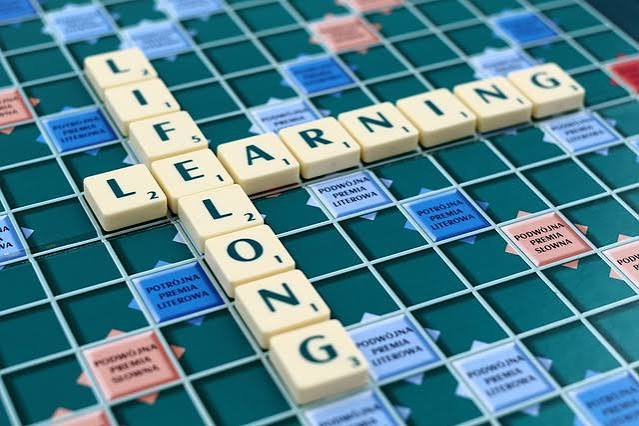
English educational games help children develop vocabulary, reading comprehension, spelling, and grammar skills. Word searches, crossword puzzles, rhyming activities, and sentence-building challenges provide enjoyable opportunities to practise language.
Phonics games are especially helpful for younger learners who are beginning to read. They introduce letter sounds, word recognition, and simple blending exercises. Older students can explore more advanced activities involving punctuation, synonyms, antonyms, and sentence structure.
Free Educational Games for Classroom and Home
Free educational games make learning resources accessible to families, teachers, and students. Many educational websites offer free quizzes, puzzles, printable activities, and interactive exercises that can be used without purchasing expensive learning materials.
At home, parents can organise short educational game sessions to reinforce school lessons. Teachers can also use quizzes and group challenges to encourage classroom participation. Offline options such as flashcards, memory games, board games, and educational worksheets are useful alternatives when internet access is unavailable.
How to Choose the Best Educational Games
Choosing suitable educational games depends on the learner’s age, interests, abilities, and educational goals. Younger children generally benefit from simple activities with colourful visuals and straightforward instructions. Older students may prefer challenging puzzles, subject-based quizzes, strategy games, and interactive learning experiences.
It is also important to consider educational quality rather than choosing games based only on entertainment value. Good educational games provide clear learning objectives, useful feedback, and opportunities to practise important skills. Parents and teachers should also consider privacy, advertisements, screen time, and online safety when selecting digital games.
Conclusion
Educational games make learning more enjoyable by combining academic knowledge with interactive activities. They help children and students practise mathematics, English, science, geography, memory, and problem-solving skills while developing confidence and curiosity.
Whether played online, in classrooms, or at home, educational games can become valuable learning tools. Choosing age-appropriate activities and balancing digital and offline experiences can create a positive environment where learning and entertainment work together.
